a multi-client third-party logistics campus in Southern California running heterogeneous AMR fleets alongside an existing warehouse management system
How a Southern California 3PL Raised Picking Productivity 160% With Mixed AMRs
A multi-client 3PL campus integrated heterogeneous picking AMRs with its WMS in about two weeks and reported roughly 160% productivity gains plus higher units per hour.
- 160%
- Productivity lift
- 2 wks
- Later rollouts
- 6 mo
- First integration
- +10 UPH
- Supervisor KPI
Based on a documented real-world deployment. Figures are from public reporting; the organization is not named.
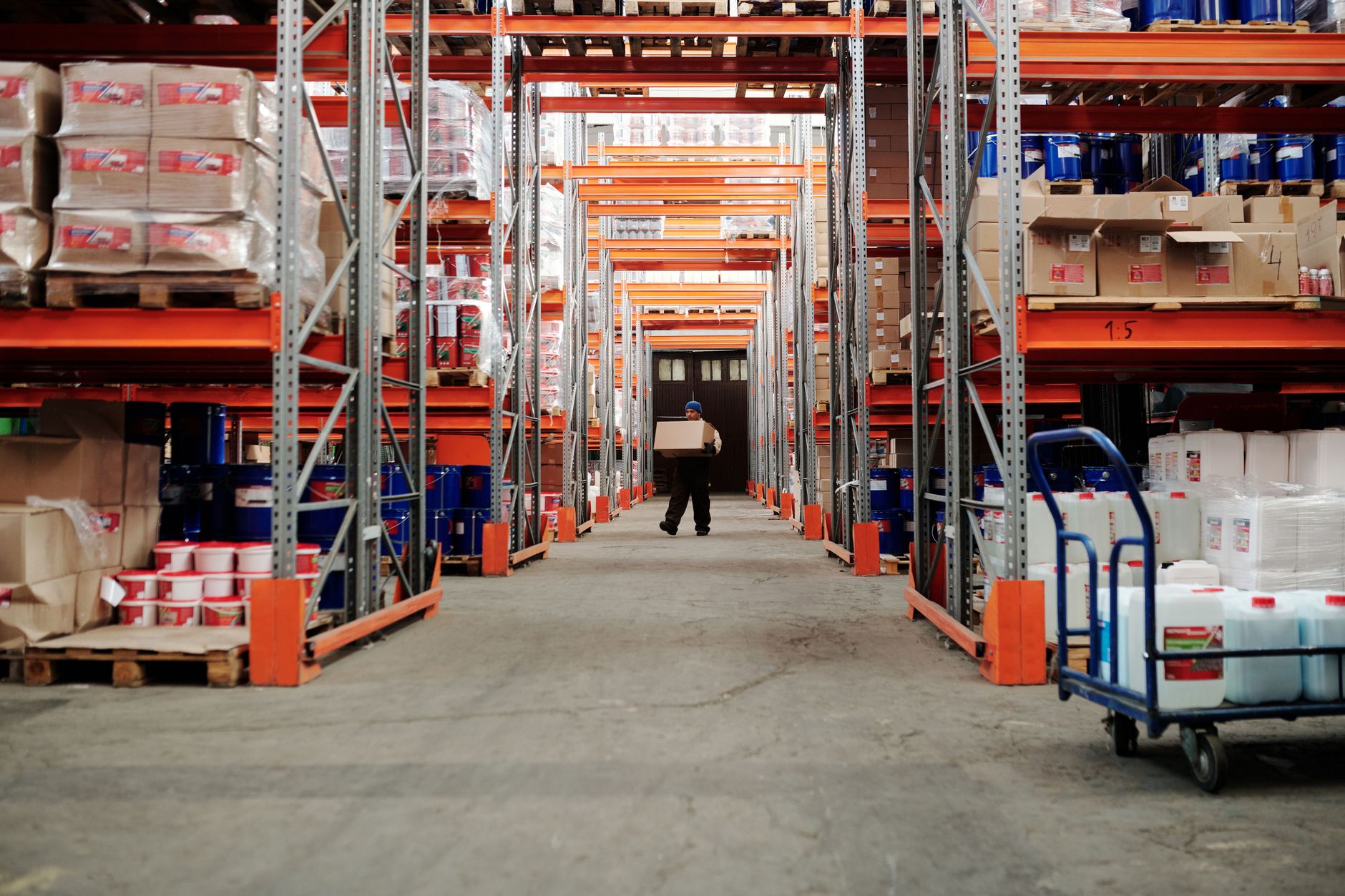
Robots arrived before the WMS could keep up
A multi-client third-party logistics campus in Southern California had already placed collaborative picking AMRs from two different vendors on the floor, yet growth still depended on how fast IT could wire those fleets into the warehouse management system that runs every client account.
The first in-house integration took more than six months of API work and test scenarios before associates trusted the workflow. That delay blunted the labor argument leadership expected from warehouse robot rental and AMR pilots.
As a 3PL, the site also needed a path that could scale when client mix changed, not a one-off science project tied to a single robot brand.
- Two AMR vendors already deployed on the floor
- Six-plus-month first WMS hookup
- Client turnover demands repeatable rollout playbooks
Reusable integration, then measure picking
Leadership shifted from custom code on every deployment to a reusable integration layer that connects multiple AMR types into the existing WMS through pre-built connectors. The technology team reported the most recent rollout finished in about two weeks instead of half a year of internal development.
Operations kept both AMR fleets in service for different client profiles while monitoring and alerting watched production traffic. Supervisors tracked units per hour the way they always had, so gains showed up in familiar KPIs rather than robot-only dashboards.
Training stayed anchored on directed picking beside the robots, not on programming routes, which helped new hires absorb the workflow faster once integration stabilized.
- Standardize WMS to AMR links with reusable connectors
- Deploy monitoring and automated alerts on production flows
- Hold supervisors to existing units-per-hour scorecards
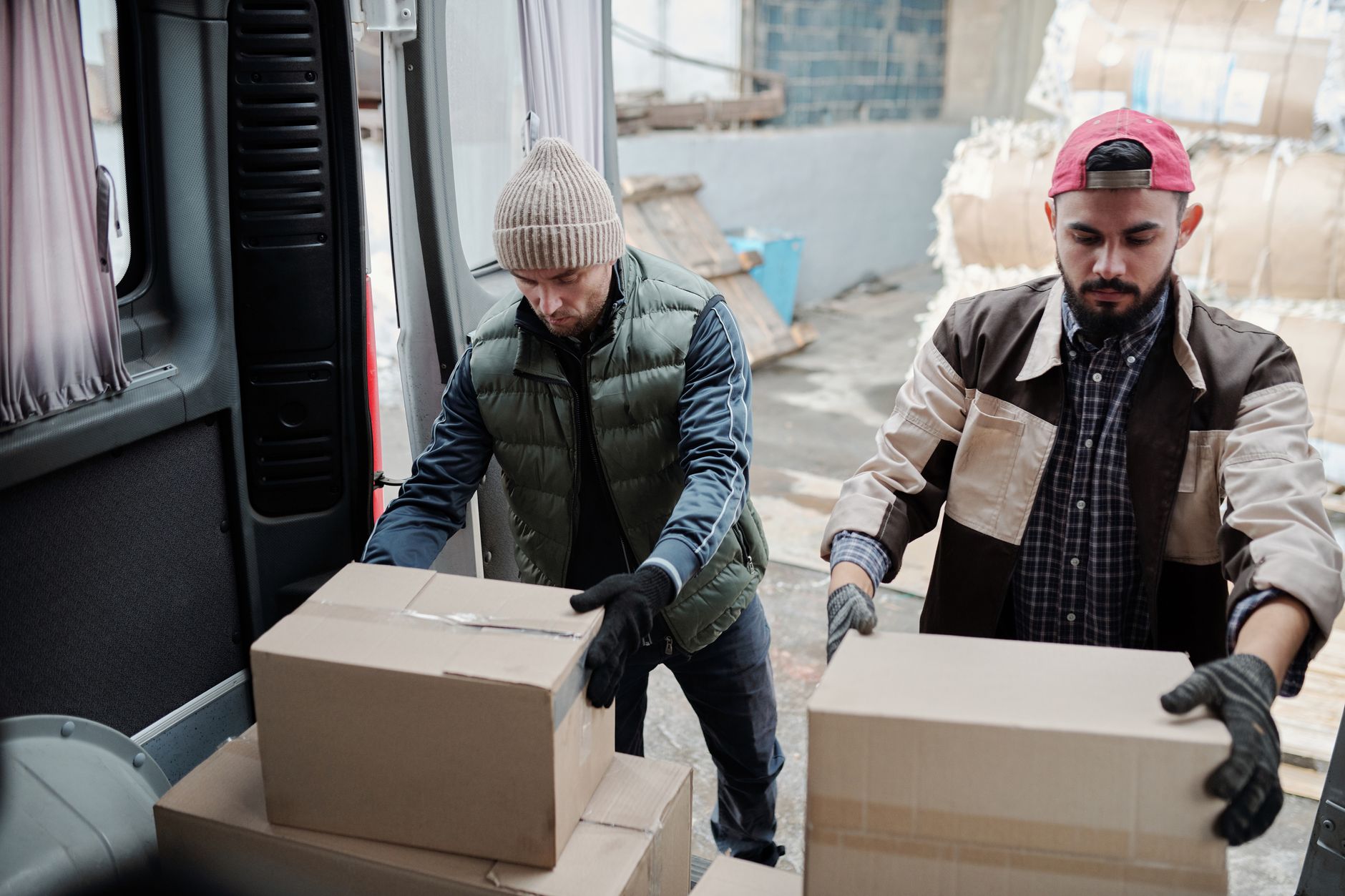
Ontario floor metrics after go-live
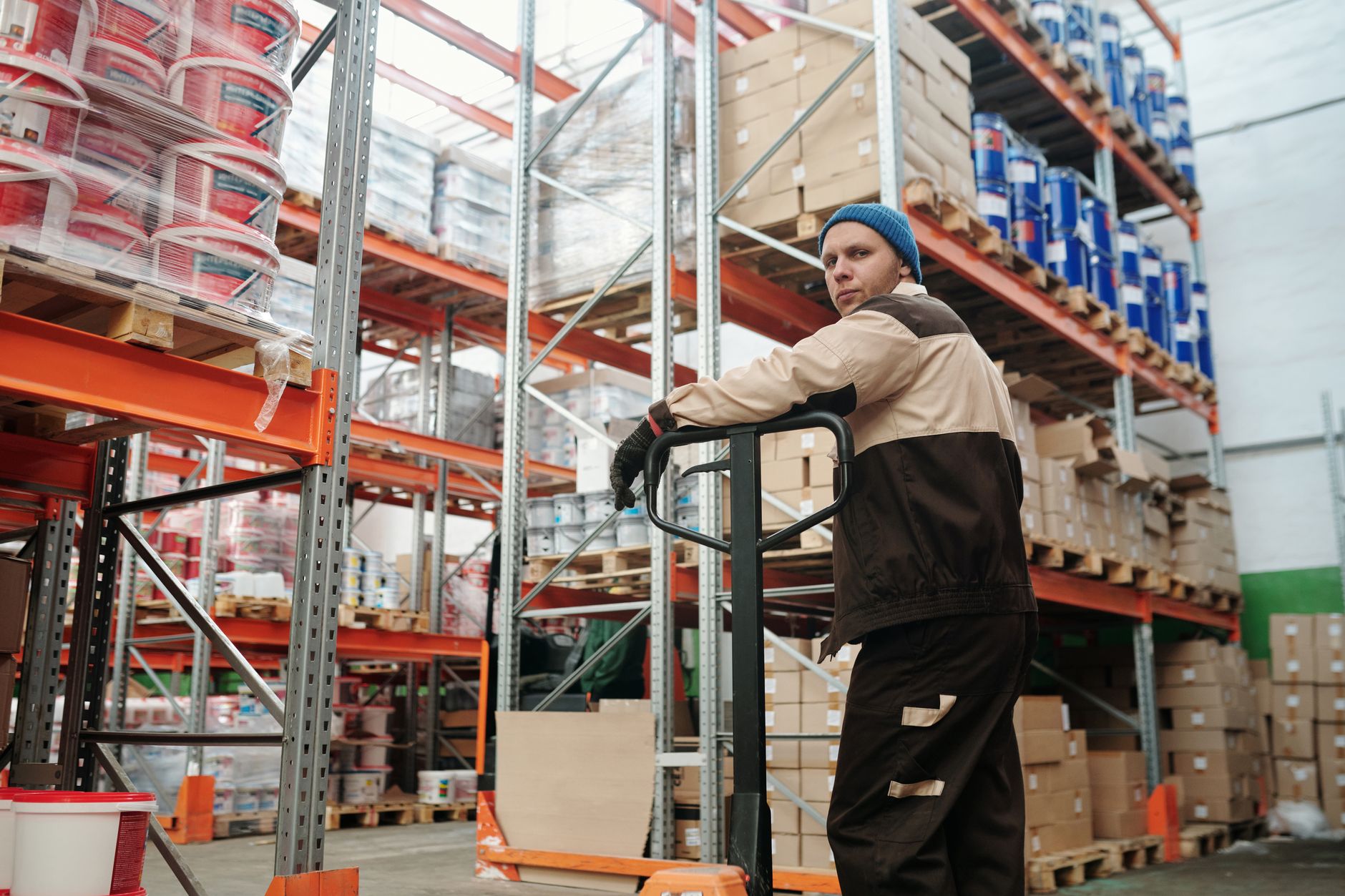
General management at the Southern California facility reported about a 160% improvement in productivity once the integrated AMR workflow was running at scale.
Floor supervisors described KPIs rising by about ten units per hour, multiplied across associates and shifts so picking rate climbed sharply without rewriting the labor model overnight.
Integration speed itself became a result: later AMR rollouts landed in roughly two weeks compared with the six-month slog of the first attempt, which matters when 3PL contracts turn on how fast you onboard volume.
What 3PL operators can take from this site
This program was executed by the logistics operator and its integration partners, not by Service Robot Co. The published numbers still frame the buying question for anyone comparing AMR rental, lease, or purchase paths: robots only pay back when WMS integration is repeatable.
Service Robot Co. stays vendor-neutral across picking AMRs and tugs, then folds finance, deployment, integration support, training, and nationwide service into one relationship. A free site assessment and phased amr fleet deployment let you prove units-per-hour gains on one client lane before you standardize heterogeneous fleets campus-wide.