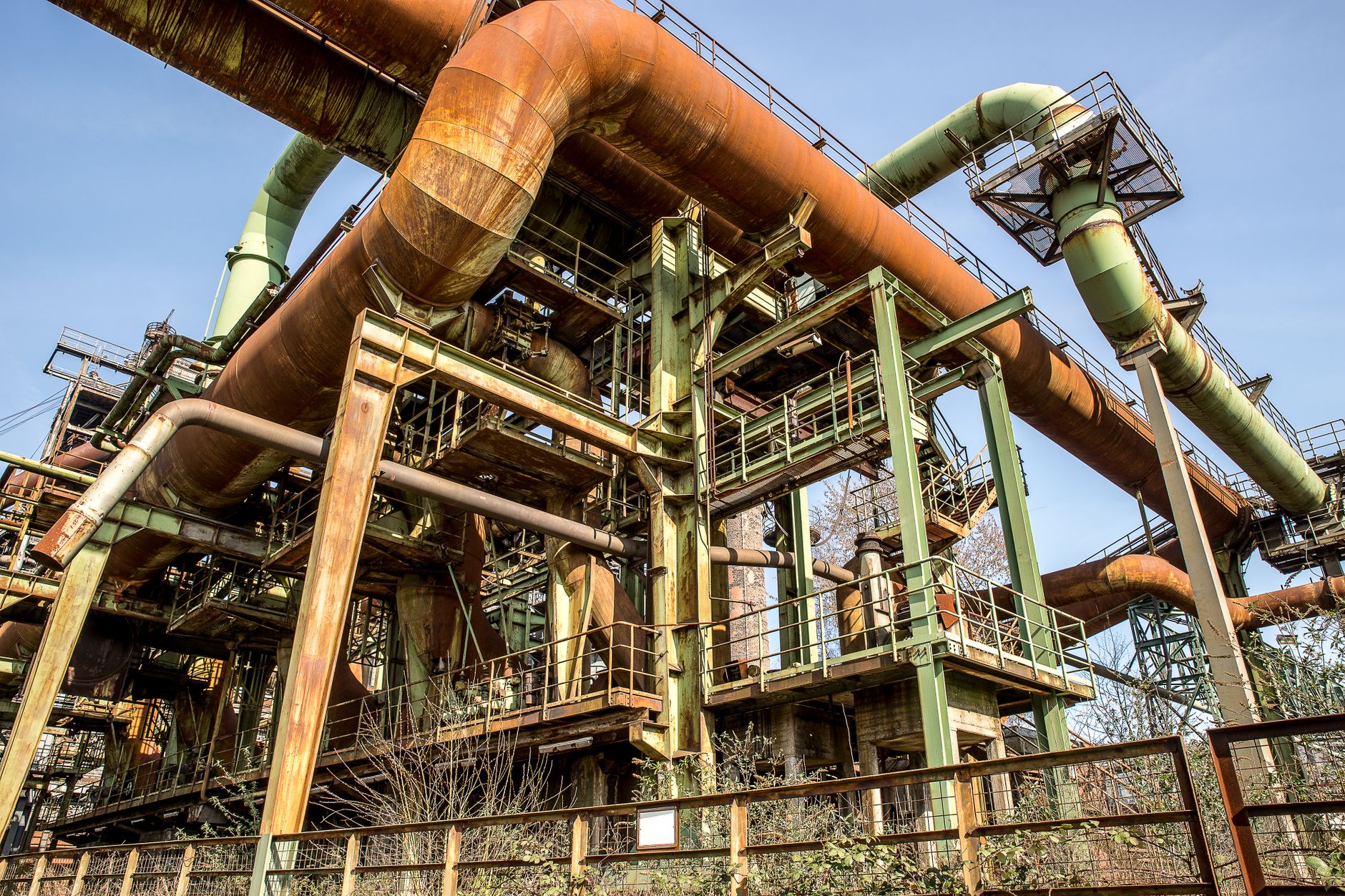
a specialty materials manufacturing plant in the northeastern United States
How a Specialty Materials Plant Freed Two Daily Scrubbing Hours From Technicians
A northeastern U.S. materials plant used an autonomous scrubber to pull up to two daily scrubbing hours off technicians while keeping powder-prone floors safer.
- 2 hrs
- per shift
- 24/7
- floor risk
- Pilot
- then live
- Techs
- reassigned
Based on a documented real-world deployment. Figures are from public reporting; the organization is not named.
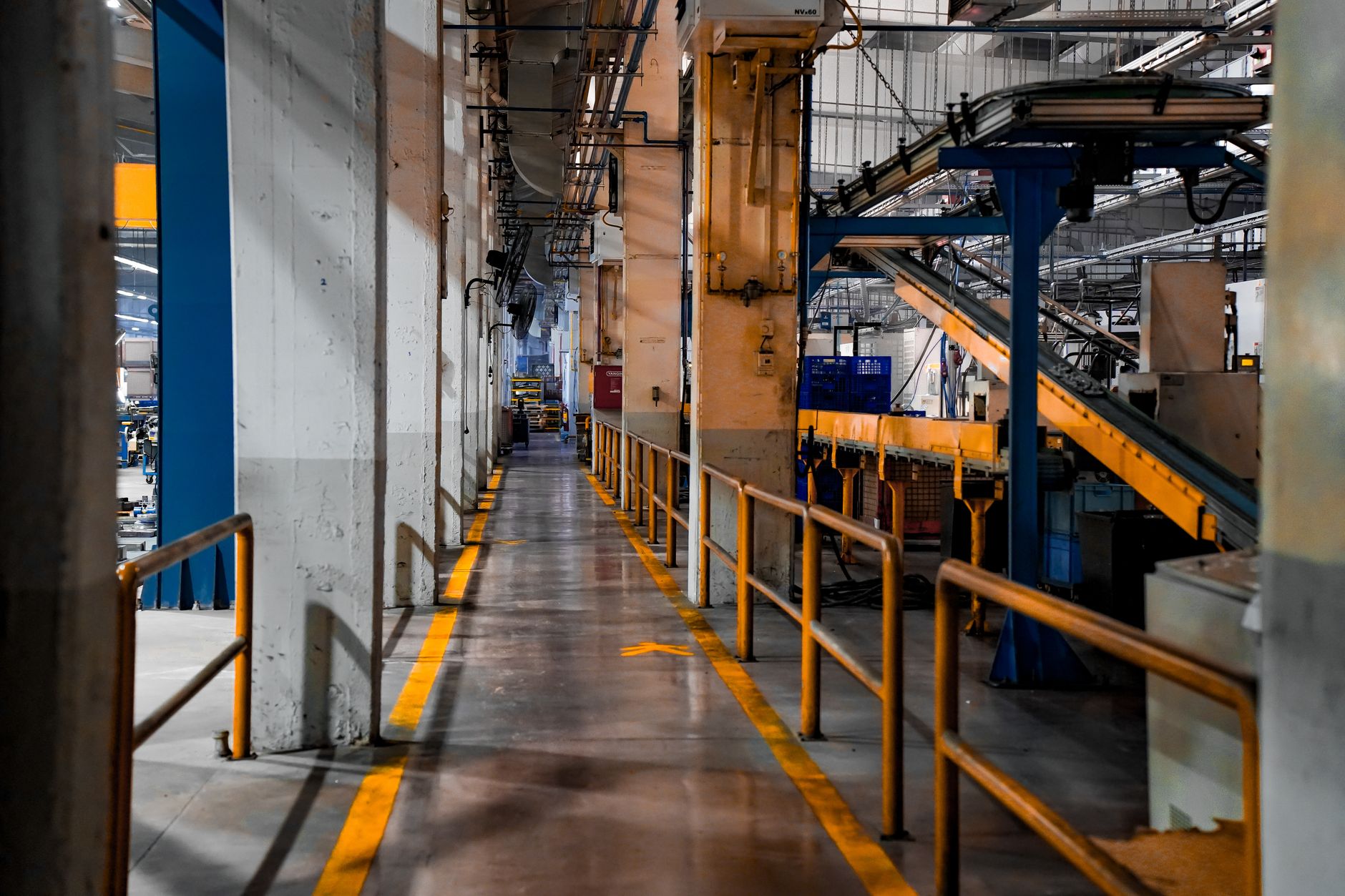
Powder on the floor pulled techs off line support
A specialty materials manufacturing plant in the northeastern United States produces fine powders that settle on walkways and create slip and inhalation risks. Technicians were spending up to two hours each shift on manual scrubbing just to keep production areas passable.
That time came out of skilled support work around sensitive equipment. Leaders needed consistent floor care without asking technicians to trade safety tasks for mop buckets every day.
- Fine powder tracked across production aisles
- Manual scrubbing consumed up to two hours per shift
- Skilled technicians diverted from equipment support
Autonomous scrubbing on a pilot-to-production path
The plant piloted an autonomous floor scrubber built for industrial traffic, then moved it into regular operation after the trial met safety and coverage goals. Supervisors used cloud reporting to confirm routes ran to plan and to coach teams on when to run cycles around production peaks.
Training focused on staging water and detergent, keeping aisles clear of loose tooling, and pausing the unit when maintenance needed an aisle. The goal was predictable overnight and between-shift cleans without adding headcount.
- Pilot scrubber routes on the messiest aisles first
- Cloud dashboards to verify area covered each shift
- Technicians stay on production support while the scrubber runs
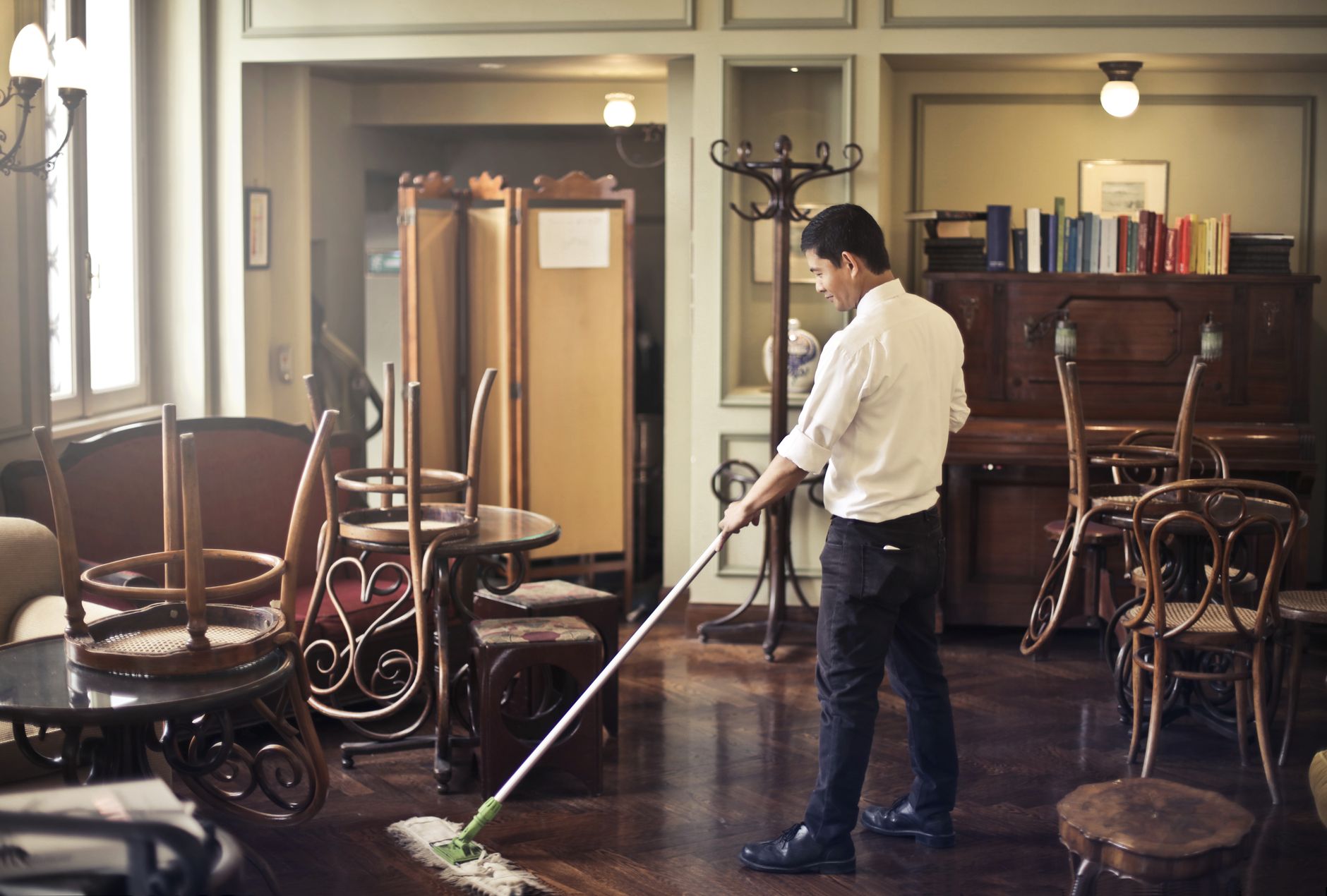
Two scrubbing hours back on every shift
Published case material states technicians previously scrubbed floors for up to two hours per shift before the autonomous unit took over that work. Those hours now stay on production support and safety checks instead of repetitive floor care.
Facilities leaders report better accountability for floor condition because cleaning data is visible shift to shift. The plant treats the scrubber as part of its slip-prevention program rather than a side task for whoever has time.
What this means for industrial floor scrubber rental
This is a documented manufacturing deployment, not a Service Robot Co. customer account. It still shows why plants with dusty or powdery processes compare autonomous floor scrubber rental before buying a fleet.
US factories evaluating commercial cleaning robot rental or robot rental monthly plans can start one aisle on a short contract while measuring reclaimed technician hours. Service Robot Co. maps power, drainage, and traffic patterns, then backs uptime with nationwide on-site dispatch when a scrubber needs service between shifts.