a multi-location specialty supermarket operator with roughly 10,000-square-foot sales floors and high daily foot traffic
How a Specialty Supermarket Operator Cut Floor-Cleaning Costs 67% With Autonomous Scrubbers
A documented grocery deployment cut floor-cleaning costs about 67% with autonomous scrubbers, full-floor coverage, and up to 9,300 sq ft/h peak rates on 10,000 sq ft aisles.
- 67%
- Cleaning cost cut
- 9,300
- Sq ft/h peak scrub
- 100%
- Daily floor coverage
- 10,000
- Sq ft sales floor
Based on a documented real-world deployment. Figures are from public reporting; the organization is not named.
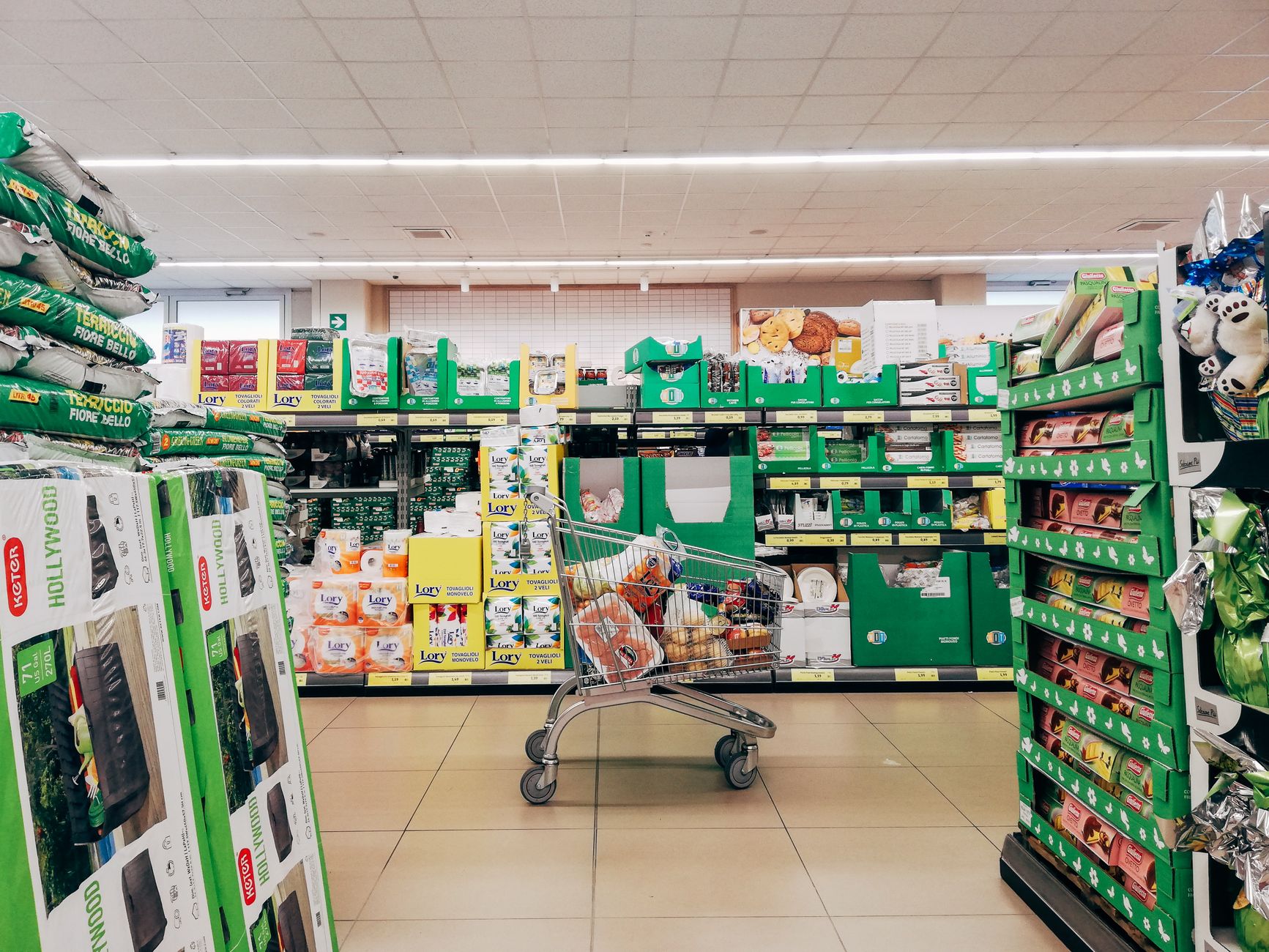
High traffic and tight grocery margins
The operator runs large-format stores where shoppers track in spills, produce debris, and dust all day. Night crews were stretched between aisle scrubbing, entryways, and back-of-house paths without a predictable finish time.
Manual methods also swung with attendance. A missed shift showed up the next morning as dull tile, slip risk near coolers, and more manager time reassigning staff instead of serving customers.
- Continuous foot traffic during open hours
- Mixed contaminants from food sales areas
- Need to clean without blocking shoppers
- Pressure to hold labor spend flat
Autonomous scrubbers sized to the sales floor
The deployment paired a wide-path scrubber for open aisles with a compact unit focused on edges and tight turns. Both units run autonomously, return to charge without a dedicated attendant, and handle water fill and drain cycles on their own.
Navigation mapping targeted the full roughly 10,000-square-foot sales floor so daily passes hit the same routes. Staff shifted from pushing equipment to spot treating produce areas and responding to fresh spills during business hours.
- Map main aisles and checkout lanes first
- Schedule overnight full-floor passes
- Train managers on pause and spot-clean workflows
- Keep a manual backup plan for deep resets
Measured cost and coverage gains
Reported cleaning spend fell about 67% compared with the prior manual program. The wide scrubber reached up to about 9,300 square feet per hour at peak and averaged about 5,200 square feet per hour, while the edge-focused unit handled about 4,800 square feet per hour along perimeters and fixtures.
Because the robots ran every day, the operator cited full-floor coverage and repeatable results instead of varying crew performance. Shoppers saw drier, more uniform aisles, and managers spent less time juggling overnight staffing gaps.
What this means for grocery operators evaluating robots
This example is a real public deployment analyzed for education. Service Robot Co. did not run this specific project, but the pattern is familiar: pick scrubbers that match aisle width and soil load, phase mapping store by store, and keep service on speed dial when a machine sits down during peak season.
A vendor-neutral integrator can compare autonomous scrubber rental or lease options, run a pilot on one sales floor, and fold deployment, training, and nationwide service into one monthly relationship so you are not chasing multiple OEM portals when a unit needs help.