
a major-league stadium concessions bar at a newly automated venue
Stadium Robot Bartender Served Nearly 500 Drinks in Week One
A major-league stadium bar used a robot bartender to serve nearly 500 beverages in week one, showing real demand for faster, fan-facing drink service.
- Nearly 500
- beverages in week one
- 1st
- major-league arena debut
- 10th
- permanent install for the maker
- 2 arms
- robotic drink-making setup
Based on a documented real-world deployment. Figures are from public reporting; the organization is not named.
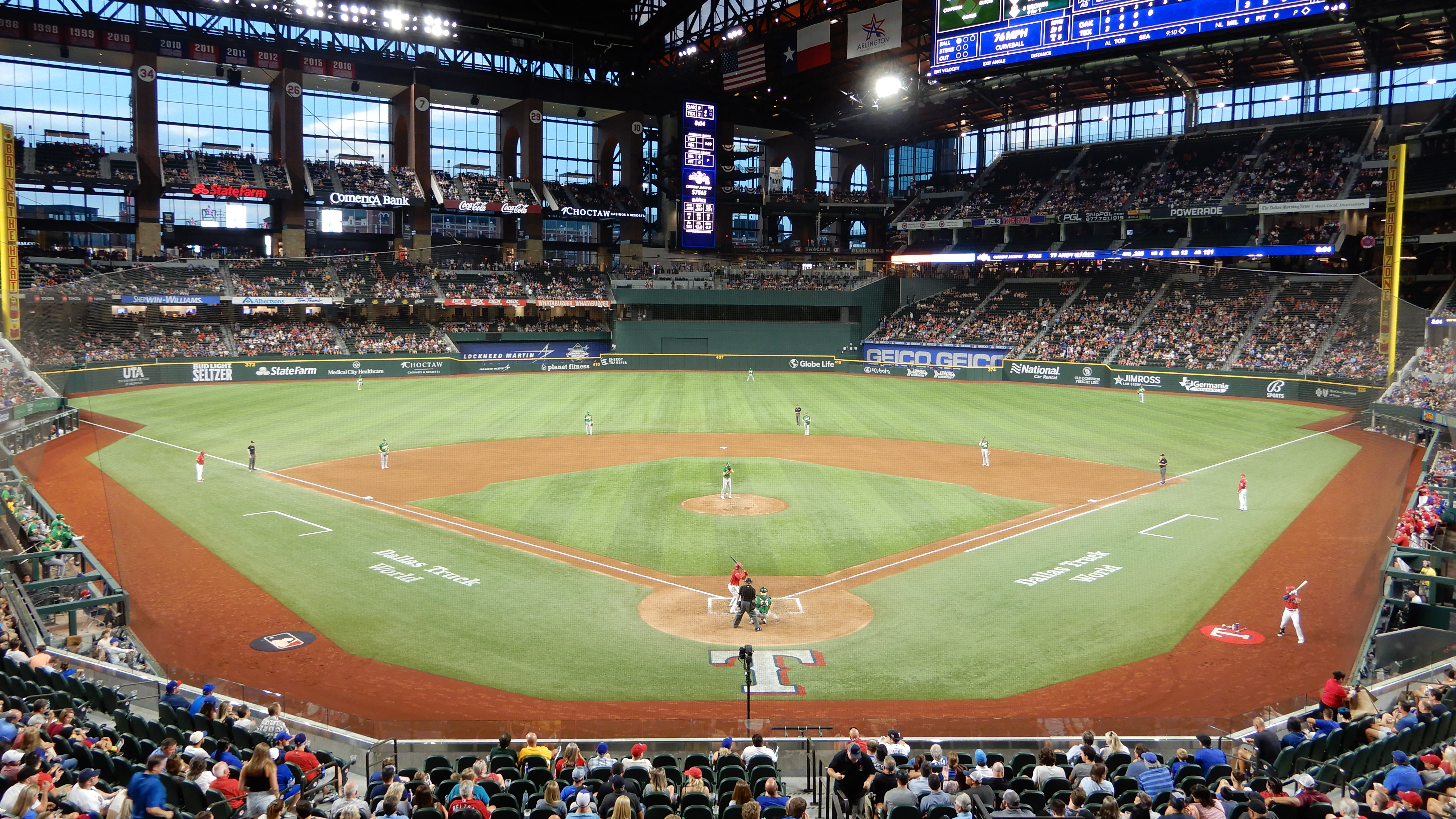
Peak demand met a fan-facing service test
The bar needed more than novelty. It was entering a more tech-forward chapter at a newly automated venue, and it had to handle dense game-day demand without letting drink lines drag down the premium concessions experience.
That is a hard window for beverage service. Fans want speed, consistency, and something memorable at the same time, while staff still need room for guest interaction and the exceptions that stack up in a live stadium setting.
- Busy event traffic can turn a bar queue into an experience problem within minutes.
- A guest-facing robot bartender has to feel useful on day one, not like a sideshow.
- Human staff still matter because service exceptions do not disappear in a stadium.
The rollout favored live-event proof first
The public release points to a staged introduction rather than a cold start. The robot bartender first appeared during the venue's annual showcase events, then moved into a permanent concessions bar position beside Section 111.
Operationally, the unit was not framed as a stand-alone attraction. It worked alongside human bartenders, used a focused menu of classic cocktails and mocktails, and relied on a two-arm setup built for repeated drink production in a live concessions environment.
The public release does not spell out crew training or support procedures. What it does show is a rollout that tested the concept in front of real crowds before settling into permanent service.
- Debut the robot during high-visibility live events.
- Move it into a permanent bar position beside Section 111.
- Keep human bartenders in the operating loop.
- Limit the menu to repeatable cocktails and mocktails.
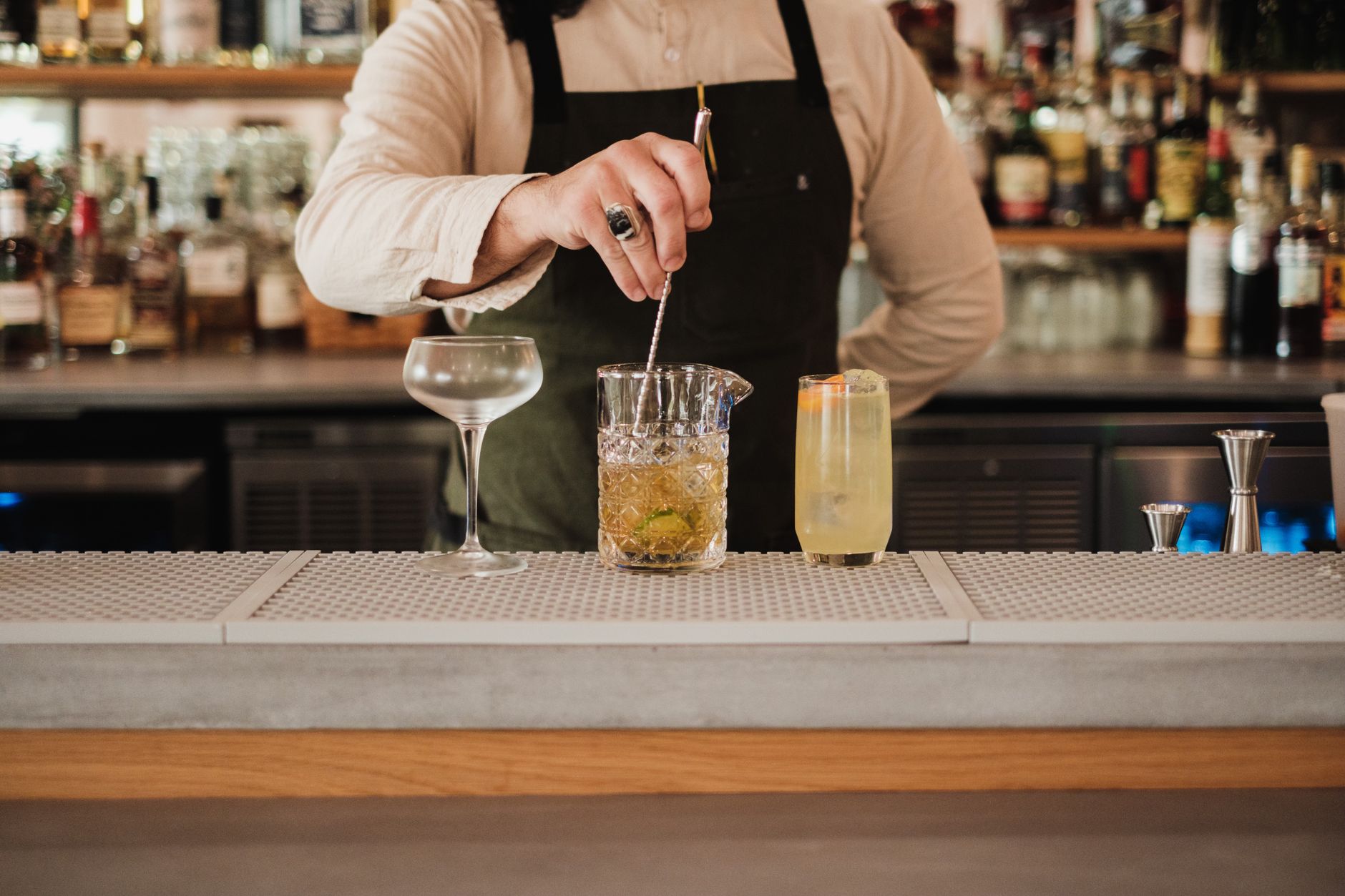
Week-one demand arrived immediately
The hard proof is simple. In the first week of operation, the robot bartender served nearly 500 beverages. For venue operators, that is real event-day demand at a live concessions bar, not a trade-show clip or a staged pilot.
The deployment also crossed a category line. The public release describes it as the first humanoid bartender robot in a major-league sports arena or large-scale entertainment venue, and it was positioned as a permanent installation rather than a one-off activation.
What this means for U.S. venue operators
This was not a Service Robot Co. deployment. It is a useful public example of how beverage service robot demand shows up when throughput and fan experience are treated as the same operating problem.
For U.S. buyers, Service Robot Co. is a full-service, OEM-neutral, vendor neutral robot integrator. We help operators compare purchase or lease paths, robot leasing for business, monthly payment programs, and service robot leasing structures, then handle robot deployment and integration, training, and nationwide service through one partner for the full lifecycle.
That model matters in sports venues. A beverage service robot has to fit the bar footprint, the ordering pattern, and the staffing rhythm, then stay supported after go-live. One partner, one number, and a phased deployment no shutdown approach are often what keep a promising demo from stalling out on the floor.