
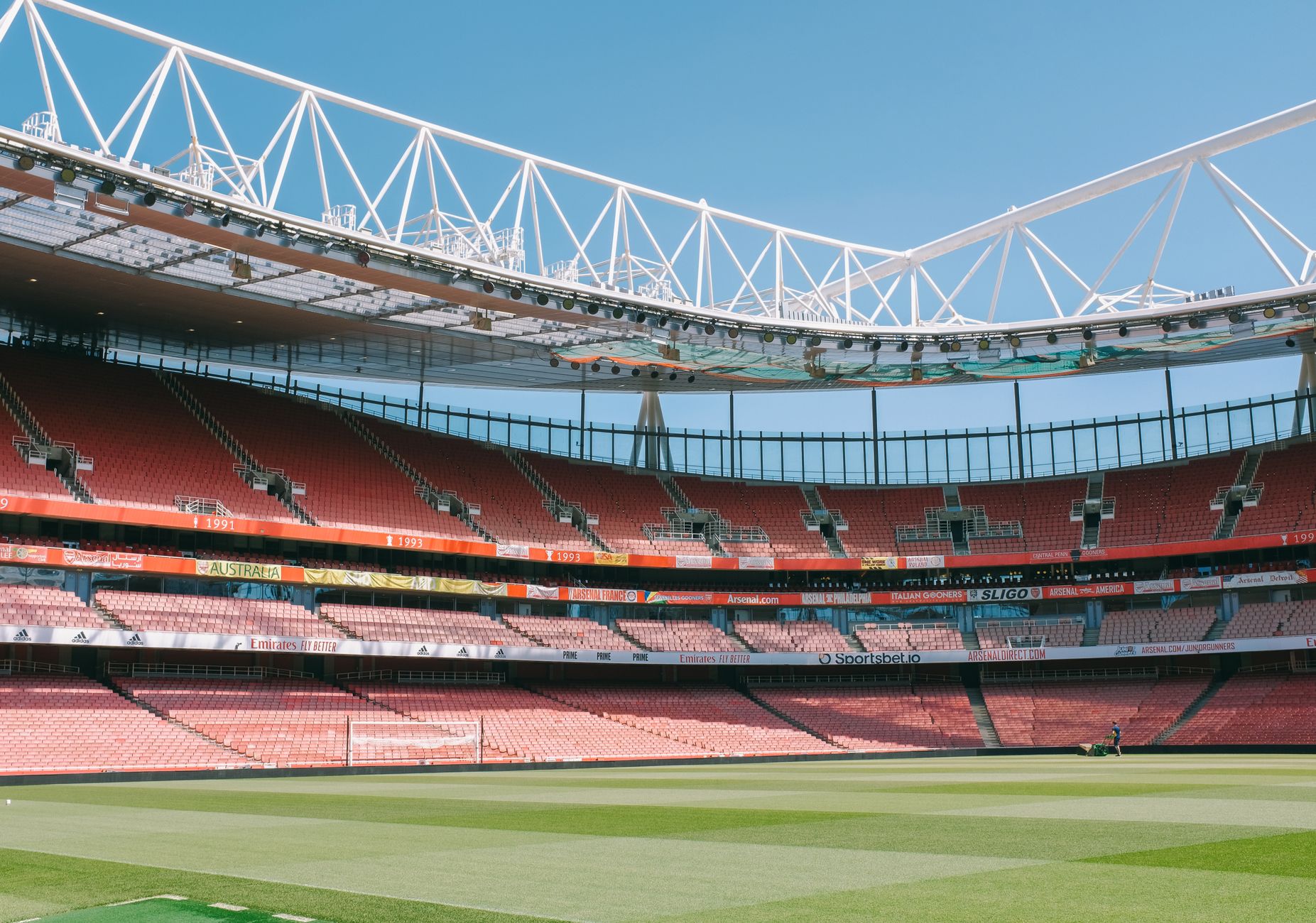
a major 60,000-plus-seat football stadium in London
London Stadium Scrubbers Save More Than 1,300 Liters
See how autonomous floor scrubbers helped a major London football stadium recycle 70% of its water use and save more than 1,300 liters while refocusing staff.
- 1,300+ L
- Water saved
- 70%
- Water recycled
- 6 hours
- Single-charge operation
- 60,000+
- Stadium seats
Based on a documented real-world deployment. Figures are from public reporting; the organization is not named.
A vast floor-care mandate under sharper scrutiny
A major 60,000-plus-seat football stadium in London needed to clean and disinfect expansive public areas while preparing for supporters to return. The cleaning team also faced heightened pressure around infection control, making high-touch sanitizing and deep cleaning especially consequential.
Conventional floor care would have kept valuable employees occupied on broad, repeatable scrubbing routes. The operational challenge was to cover those large surfaces thoroughly while preserving human attention for the detailed work that machines could not absorb.
- Maintain consistent cleaning across a high-traffic sports venue
- Concentrate employees on sanitizing and deep-cleaning high-touch areas
- Reduce water consumption without lowering the standard of clean
- Integrate autonomous equipment into daily cleaning operations
Autonomous scrubbing assigned to the broadest routes
A fleet of autonomous scrubbers was introduced to clean and disinfect large areas. Their role was deliberately bounded: handle repetitive floor coverage so employees could remain focused on sanitizing and deep cleaning.
The documented account says the machines were integrated into daily cleaning operations and could run continuously for six hours on a single charge. It does not disclose the selection process, a phased rollout, operator training details, route maps, fleet size, or the service arrangement, so those elements cannot be credited to this deployment.
- Assign autonomous scrubbers to large, repeatable floor areas
- Keep employees concentrated on detailed sanitation work
- Use onboard filtration to recover water during cleaning
- Incorporate robotic floor care into the established daily routine
Water savings became the clearest operating proof
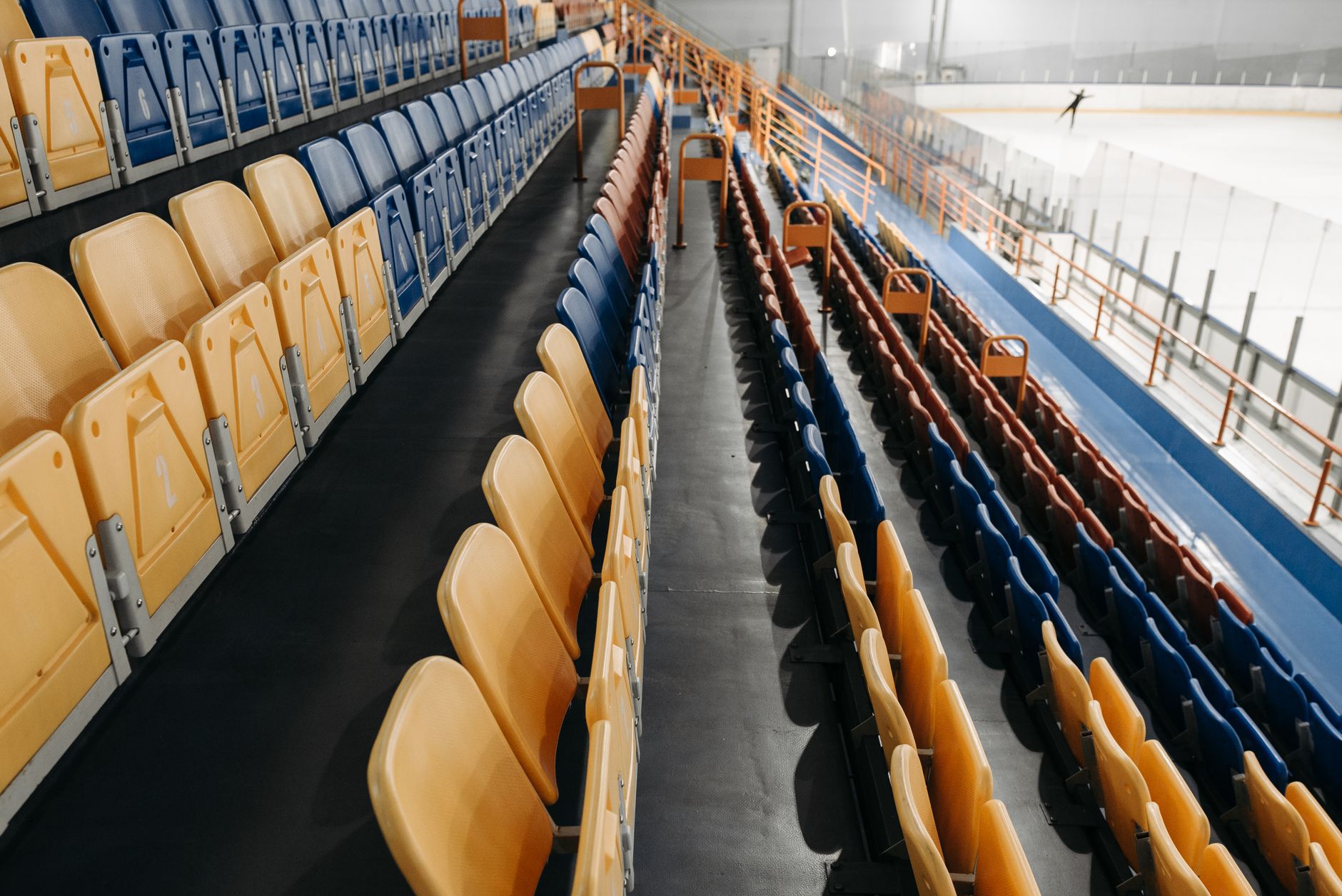
The scrubbers used a four-stage filtration system that filtered and recycled 70% of their water use without affecting the stated standard of clean. By the date of the published account, a major 60,000-plus-seat football stadium in London had saved more than 1,300 liters of water.
The labor result was described operationally rather than numerically. Autonomous scrubbing covered broader areas in less time while valuable employees stayed focused on sanitizing and deep cleaning, but the source reported no labor hours, productivity percentage, or financial return.
That restraint matters. The documented result supports a sustainability-led case for large venue cleaning robots, with measured water conservation and clearer task allocation, but it does not substantiate claims about headcount reduction, payback, or total post-event floor recovery time.
What this operating model means for US venues
This example was not a Service Robot Co. deployment. It shows why a stadium cleaning robot lease, commercial cleaning robot leasing, or floor scrubber monthly lease should be evaluated as an operating system, not merely as a machine acquisition. Floor type, route density, charging access, water recovery, staff workflow, and service readiness all shape the result.
Service Robot Co. is a full-service, OEM-neutral commercial robot integrator for US businesses. We select the robot that fits the floor across manufacturers, then finance, deploy, integrate, train, and service every unit through a nationwide US engineer network. The result is one vendor for the full lifecycle, from site assessment mapping and a commercial robot demo through go-live support and an ongoing robot maintenance service plan.
For a major sports venue, that model can support a measured robot pilot program before broader deployment. It also gives buyers one accountable partner for autonomous floor scrubber leasing planning, large facility coverage, staff preparation, and post-event floor recovery, without suggesting that Service Robot Co. participated in the London example.
Frequently asked questions
Want a robot working for you?
Tell us the job and the site. We will recommend the robot, quote the lease, and keep it serviced.