
a state transportation agency equipment yard in Southern California with a history of repeated break-ins
A State Agency's Southern California Yard Logs Zero Intrusions in a Robot Pilot
After repeated break-ins, a Southern California state equipment yard piloted a security robot for six months and recorded no intrusions while it ran.
Deployment at a glance
- 0
- intrusions recorded during the pilot testing period
- 6 months
- length of the pilot at one equipment yard
- 4
- factors shaped rollout: power, signal, weather, maintenance
- 1
- quadruped security robot tested at a single site
Based on a documented real-world deployment. Figures are from public reporting; the organization is not named.

Repeated break-ins at an exposed yard
Equipment yards and maintenance stations are hard to secure. Vehicles, tools and materials sit on open ground, and no crew can watch every corner at once. At this state transportation agency yard in Southern California, repeated break-ins had become the problem to solve.
Any robot brought in would have to work around the realities of a working yard. It needs reliable charging power, a usable wireless connection, the ability to tolerate outdoor weather, and a maintenance routine that keeps it in service. Those constraints mattered as much as the security question itself.
- Repeated break-ins at the same site were the core problem
- Charging power, cell signal, weather and maintenance would shape any robot's work
A pilot that started with the site, not the robot
The yard tested one quadruped security robot, a four legged unit carrying a security payload, for six months at a single site. Using one robot in one place means every result traces back to a specific yard and its conditions.
Four factors shaped the deployment: charging power, cell signal and wireless internet quality, inclement weather, and system maintenance. Each set the practical limits of where and when the robot could run, so each had to be handled before patrols could be relied on.
- Confirm power availability for charging stations
- Check wireless internet and cell tower signal across the yard
- Set operating windows around inclement weather
- Schedule system maintenance so the unit stays in service
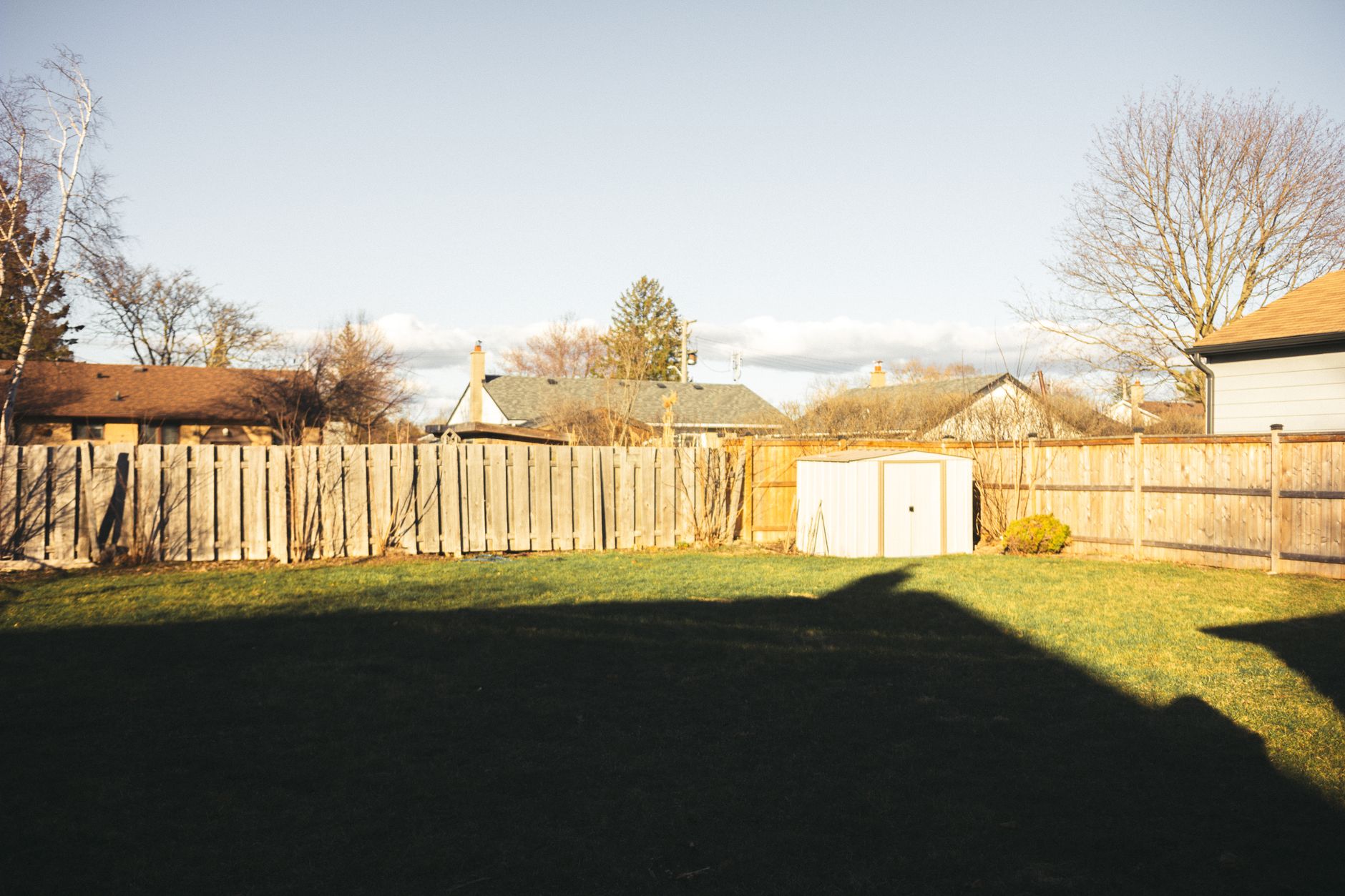
No intrusions during the testing period
During the six month pilot testing period, the yard recorded no intrusions. The period before the pilot had seen repeated break-ins at the same site, so the contrast is the heart of this case.
The outcome came with conditions attached. Charging power, cell signal, weather and maintenance decided where the robot could work and how reliably it kept working, so the result belongs to this yard and this setup. A single site and a single robot is a narrow sample, so the lesson concerns fit as much as the outcome.
What this means for your site
Service Robot Co. is a full service, OEM neutral commercial robot integrator for US businesses. We select the right robot across manufacturers, then finance, deploy, integrate, train and service every unit through a nationwide US engineer network. One vendor covers the whole lifecycle, so the team that scopes the site also answers for the robot.
A yard like this one starts with a site assessment. Power for charging, signal coverage, weather exposure and the maintenance route are measured before any robot is recommended. Robots are offered on a three year lease, with one fixed payment quoted after that site assessment, so a customer can start with one leased unit and run a robot pilot program before scaling.
For teams weighing an autonomous patrol robot, security patrol robot leasing follows the same path: confirm the site first, then decide how many units make sense.
Frequently asked questions
Want a robot working for you?
Tell us the job and the site. We will recommend the robot, quote the lease, and keep it serviced.