
a Virginia manufacturer producing about 1,000 steel trays per day
AI Robotic Grinding Cuts Rework 95%, Lifts Output 38%
See how AI robotic grinding cut necessary rework 95% and raised production 38% for a Virginia steel tray manufacturer facing a difficult labor task.
- 95%
- less necessary rework
- 38%
- higher production
- 1,000/day
- steel trays produced
- 8-10/month
- trays needing rework
Based on a documented real-world deployment. Figures are from public reporting; the organization is not named.
A Punishing Process With Variable Parts
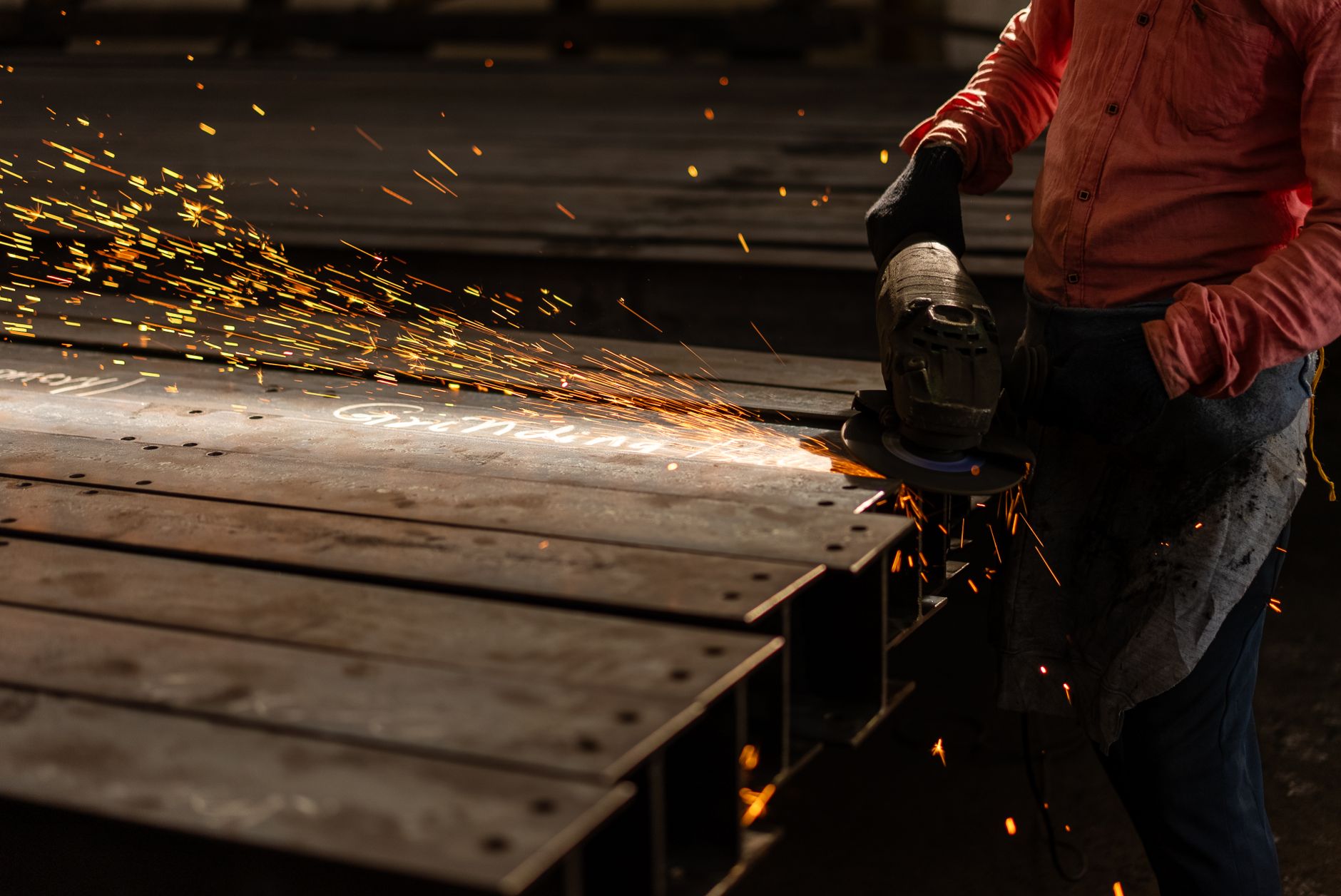
A Virginia manufacturer producing about 1,000 steel trays per day depended on manual grinding to finish its output. The work was tiring, injury-prone, and difficult to staff in an area with a limited labor pool.
Variation made the task harder to automate well. Different trays still needed the correct grinding treatment, while recurring rework consumed capacity and disrupted an already demanding production rhythm.
- Physically strenuous grinding exposed workers to persistent ergonomic strain.
- High turnover compounded an already limited local workforce.
- Inconsistent results sent 8 to 10 trays back for rework each day.
Scanning Each Tray Before the Abrasive Touches Steel
The manufacturer sought an integration partner to automate the grinding task. The resulting cell paired an industrial robot with AI guidance that scans each tray and adapts the grinding process to the part in front of it.
That ability mattered because the part could change with every cycle. Instead of requiring identical workpieces, the system accommodated varied trays while pursuing a repeatable finish.
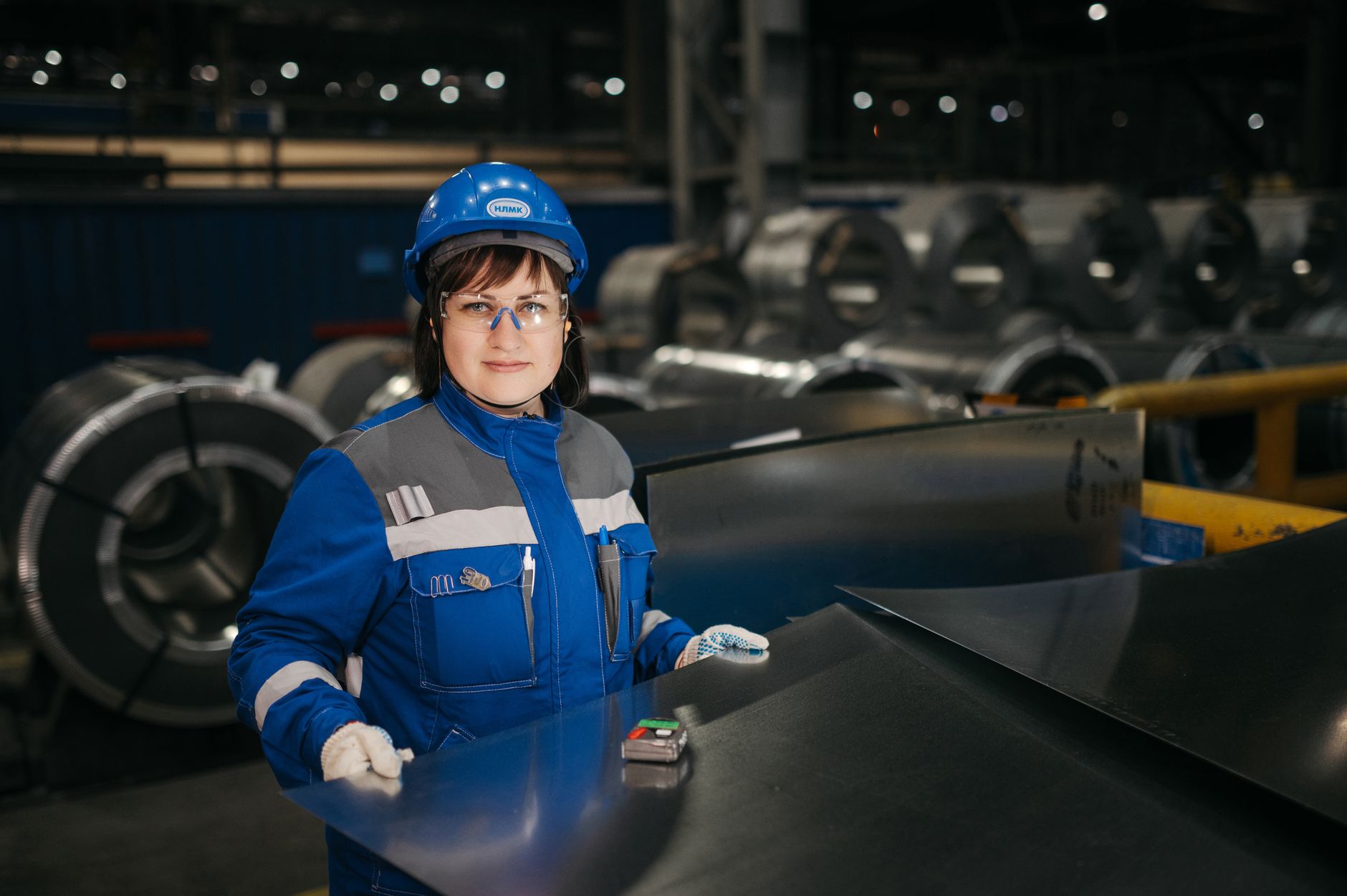
The cell reached its target rates during its first week in operation. Automation also made training and skill development easier, allowing employees to move from punishing manual work into robot operation and other more meaningful roles.
The published account does not describe a phased rollout, shutdown schedule, or continuing service arrangement. Those details should therefore be treated as deployment questions, not assumed features of this installation.
- Identify the injury-prone grinding operation and its quality losses.
- Scan each incoming tray before grinding begins.
- Adjust the grinding path for varied parts from cycle to cycle.
- Train and upskill employees for less physically taxing responsibilities.
Rework Collapsed While Production Climbed
Necessary rework fell 95%. The plant moved from reworking 8 to 10 trays per day to roughly 8 to 10 per month, and the source reports that no rework was attributed to grinding after the cell entered operation.
Production increased 38%, with target rates reached from the first week. The gains came alongside more consistent product results and substantially less physical strain for employees.
The workforce outcome is as consequential as the throughput gain. Easier training and skill development helped employees advance into more responsible work instead of spending their shifts on a repetitive, exhausting finishing task.
A Practical Buying Model for Metal Fabricators
This case shows why robotic manufacturing decisions should begin with the process, not a favored machine. Part variability, finish requirements, cycle targets, ergonomics, operator training, and service coverage all belong in the selection brief.
Service Robot Co. is a full-service, OEM-neutral commercial robot integrator for US businesses. We compare equipment across manufacturers, then finance, deploy, integrate, train, and service each unit through a nationwide US engineer network, giving the buyer a single accountable vendor across the operating lifecycle.
For plants evaluating commercial robot leasing, robot leasing for business, monthly payment programs, or a leasing structure, that lifecycle view is crucial. Robot deployment and integration must be paired with training and a credible robot maintenance service plan so the automation remains productive after go-live.