a high-volume suburban conveyor-sushi restaurant
Conveyor-Sushi Case Study: Wait Times Cut About 50%
A high-volume suburban conveyor-sushi restaurant cut average guest wait time about 50% by using a tray delivery robot to speed bussing and table turns.
- 50%
- Average wait time cut
- 4:18 to 2:30
- Pilot wait time
- 3.5 to 4 min
- Pre-robot clearing
- 1.5 to 1.6x
- Larger floor footprint
Based on a documented real-world deployment. Figures are from public reporting; the organization is not named.
A Wide Floor and Slow Table Resets
This restaurant was dealing with a throughput problem, not a gimmick problem. The dining room was about 1.5 to 1.6 times larger than its sister stores, so plate clearing demanded more walking, more hands, and more time every time a table opened up.
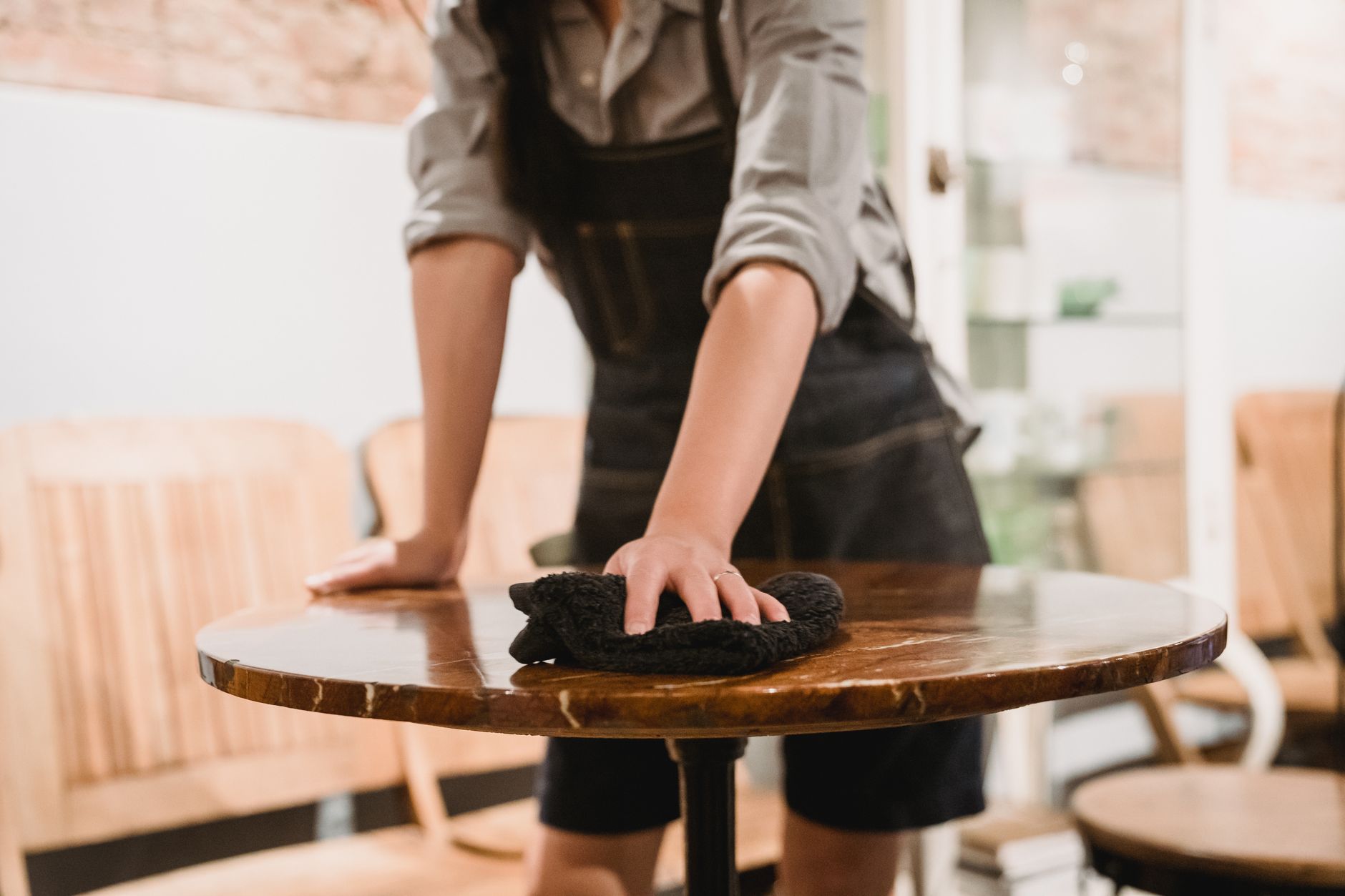
Before the robot, bussing arrived as a heavy end-of-meal task. Staff had to carry off stacks of plates, cups, and chopsticks, then wipe and disinfect the table, a cycle that took about 3.5 to 4 minutes before the next party could sit. In a busy conveyor-sushi room, those minutes pile up quickly.
The published case also describes a difficult staffing environment during the pandemic period. That meant the restaurant could not simply add labor to absorb the extra distance and reset work across a large suburban floor.
- A larger-than-typical footprint stretched every bussing trip.
- Table clearing and sanitizing created a hard bottleneck at turn time.
- Staffing pressure made the bottleneck more painful during busy periods.
Bussing First, Then Full-Day Use
The operator started with a trial and aimed it at the most stubborn task: intermediate clearing during service. Instead of waiting until a party was fully finished and then stripping the whole table by hand, the tray delivery robot circulated to collect dishes earlier and more often.
That trial produced concrete wait-time data, which gave the team a basis to continue. Staff and guests both became part of the new routine. Guests could place dishes on the robot, staff used the reclaimed minutes for wiping, disinfecting, and sorting, and simple button instructions were posted on the unit and at tables.
From there, the robot moved into continuous daily use from opening through closing. The team also used it after close for next-day seat prep, including replenishing condiments at tables.
- Run a trial centered on mid-meal bussing support.
- Measure the effect on guest wait time and queue pressure.
- Add simple operating cues for guests and staff.
- Extend use into normal service hours and after-close prep.
Throughput Moved, Not Just Labor
The headline outcome was average guest wait time down by about 50%, which is how the published case presents the result. The same case cites pilot data showing average wait time dropping from 4 minutes 18 seconds to 2 minutes 30 seconds.
That change came from attacking reset drag at the table. Pre-robot clearing had been taking about 3.5 to 4 minutes, and robot-supported bussing eased that burden enough to improve turnover in a dining room with a large table-seat mix.
The case also reports practical gains that operators care about. Staff said the clearing load fell, waste sorting became easier to keep up with, and managers could use the freed time for sanitizing tables and chairs instead of chasing piles of dishes across a large floor.
From Published Example to Buying Criteria
This documented example matters because it casts the machine as a throughput tool. In a wide dining room, a busser robot or food runner robot can remove dead time between party exit and table reset, which is exactly where wait lists grow and table turns slow down.
That is the lane Service Robot Co. occupies for U.S. operators. We are a vendor neutral commercial robot integrator that helps businesses choose the right machine across manufacturers, structure purchase or lease terms, handle robot deployment and integration, train staff, and keep the unit supported through a nationwide engineer network.
For operators considering restaurant delivery robot leasing, food service robot leasing, or robot leasing for business, the real question is not floor theater. It is whether the workflow, route setup, staff habits, and support model will make service faster in measurable terms. This case shows that they can.