
a 40-person galvanic surface-finishing plant in Germany
German Surface-Finishing Plant Raises Efficiency About 11%
Three heavy-payload AMRs handle about 300 daily missions and loads up to 1,100 kg, lifting efficiency roughly 11% in a confined German plant.
- ~11%
- higher operational efficiency
- ~300/day
- transport missions
- 1,100 kg
- maximum reported load
- 3
- heavy-payload AMRs
Based on a documented real-world deployment. Figures are from public reporting; the organization is not named.
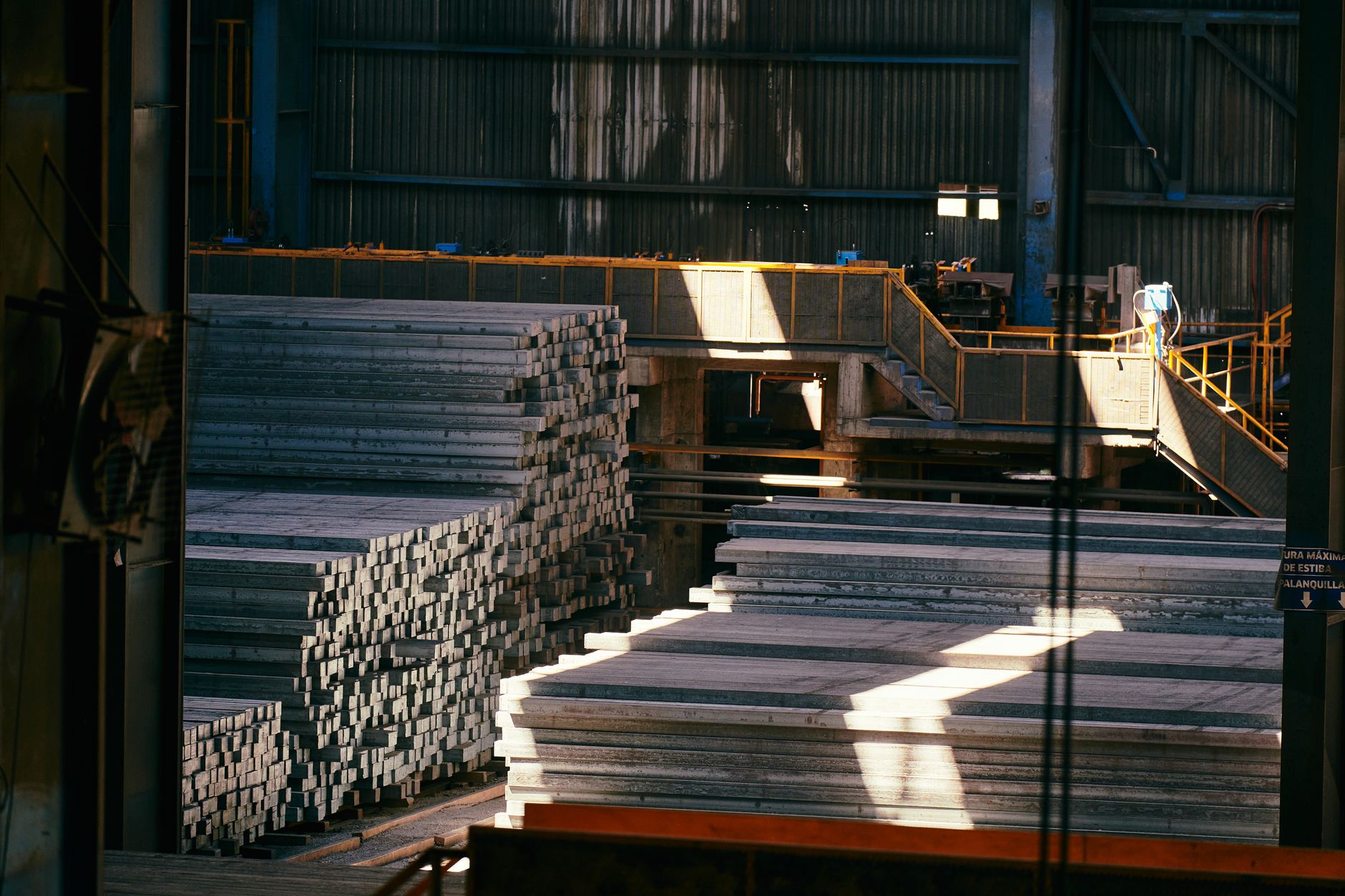
Heavy Carriers in an Unforgiving Production Space
At a 40-person galvanic surface-finishing plant in Germany, workers manually transported heavy product carriers between production stages. That repetitive material movement added physical strain to work that already depended heavily on skilled human attention, including surface preparation and carrier loading.
The setting made repetitive transport automation unusually demanding. Routes passed through confined, highly trafficked areas with dust, diffuse lighting and moving obstacles, while careful component handling remained essential to quality assurance and traceability.
- Heavy carriers previously required human handling
- Confined routes shared with active production traffic
- Dust and diffuse lighting complicated autonomous navigation
- Accurate placement mattered for component control and traceability
A Fleet Chosen Around Payload, Protection and Fit
Three heavy-payload AMRs took over internal material transport. Selection accounted for loads ranging from 200 to 1,100 kilograms, obstacle detection and avoidance, and an IP52 protection rating suited to the dusty production environment.
The AMRs entered the existing layout without structural alterations, induction loops or excessive conveyor changes. Centralized robot fleet management connected transport assignments with the production control system so each vehicle could be dispatched where required.
Employees participated early and developed skills in operation and troubleshooting, which helped address initial reservations. The source credits an integration partner with handling a complex implementation, but it does not document a phased rollout, formal training schedule or continuing service agreement.
- Match payload capacity and environmental protection to the carriers and plant conditions
- Configure autonomous navigation for narrow, busy routes and difficult lighting
- Connect fleet dispatch with the production control system
- Involve employees early and build practical operating and troubleshooting skills
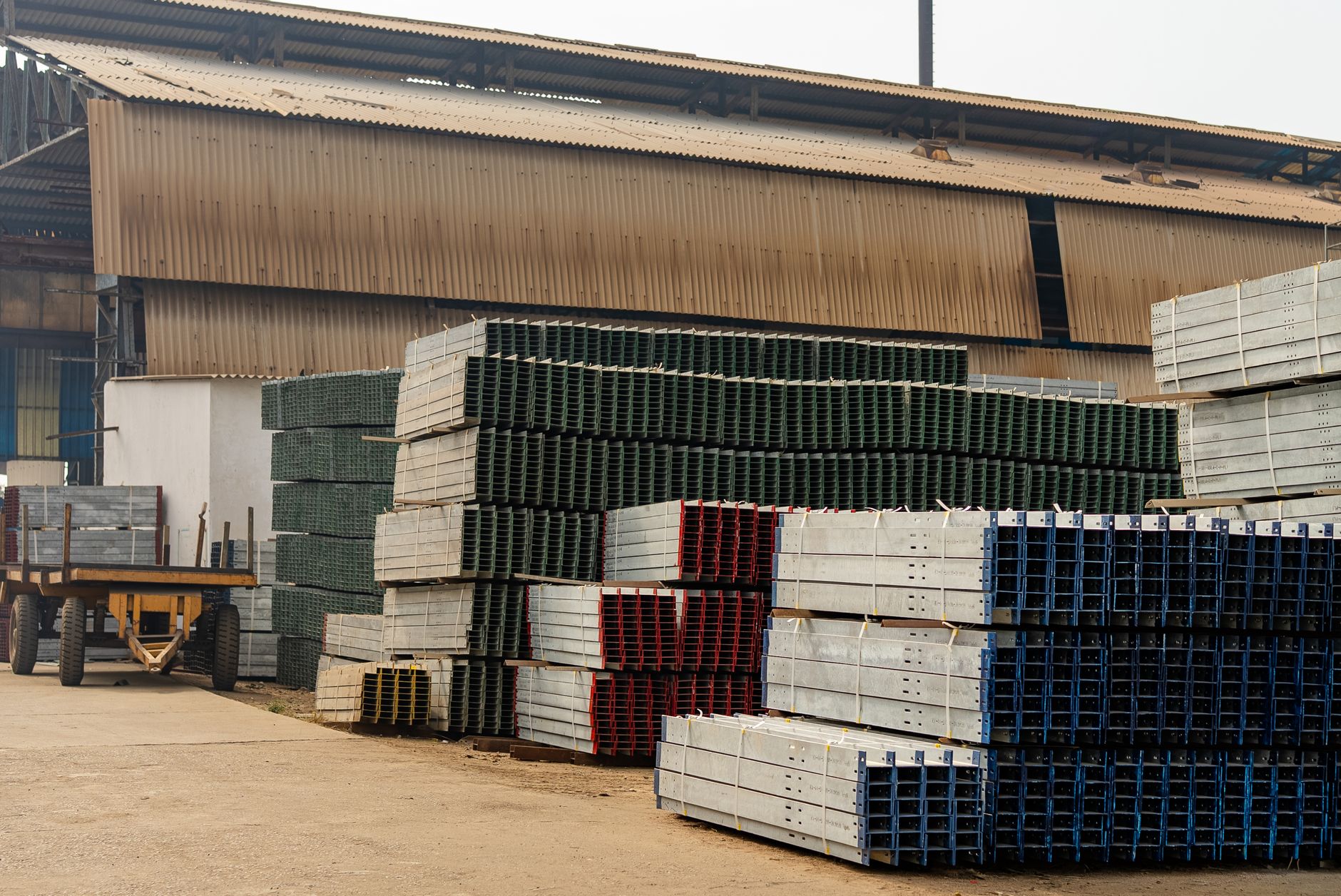
About 300 Daily Missions and a Measured Efficiency Gain
The three AMRs complete about 300 missions per day. They travel an average of 12 kilometers daily and 250 kilometers monthly while moving loads from 200 to 1,100 kilograms, depending on the vehicle.
More than a year after deployment, a 40-person galvanic surface-finishing plant in Germany reported an efficiency increase of roughly 11%. The documented benefits also included less physical workload for employees and more time for higher-value responsibilities.
Careful, repeatable transport significantly reduced component losses, although the source provides no percentage for that improvement. Defined drop-off locations also strengthened order assignment, component traceability, workplace organization and safety.
What This Example Means for US Manufacturers
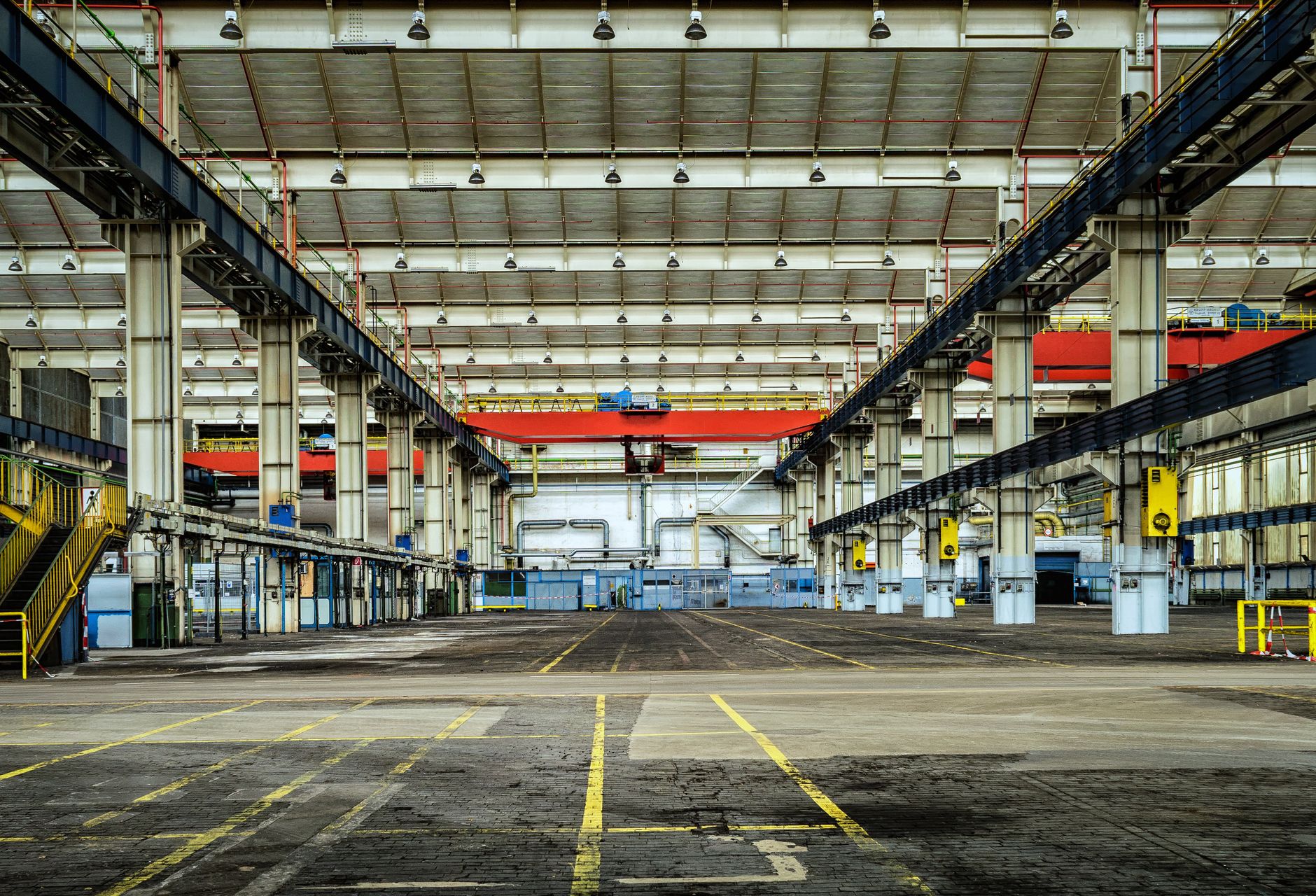
Service Robot Co. did not run this deployment. It is a documented real-world example showing that an AMR fleet deployment can produce a measurable operational gain when payload, environmental protection, traffic behavior and production controls are treated as one operating system.
Service Robot Co. gives US businesses a single accountable vendor across that lifecycle. As an OEM-neutral commercial robot integrator, we assess the site, select equipment across manufacturers, arrange financing, perform robot deployment and integration, train operators, and service deployed units through a nationwide US engineer network.
For buyers comparing autonomous mobile robot leasing, AMR leasing, robot leasing for business, or purchase, the lesson is practical: commercial structure follows technical fit. Site assessment mapping should establish routes, carrier interfaces, traffic rules and support requirements before monthly payment programs or purchase or lease terms are evaluated.
A phased deployment with no shutdown can be an objective, but it must be validated against the actual production layout. Service Robot Co. coordinates the equipment, integration, training and robot maintenance service plan so accountability does not fracture across multiple vendors.