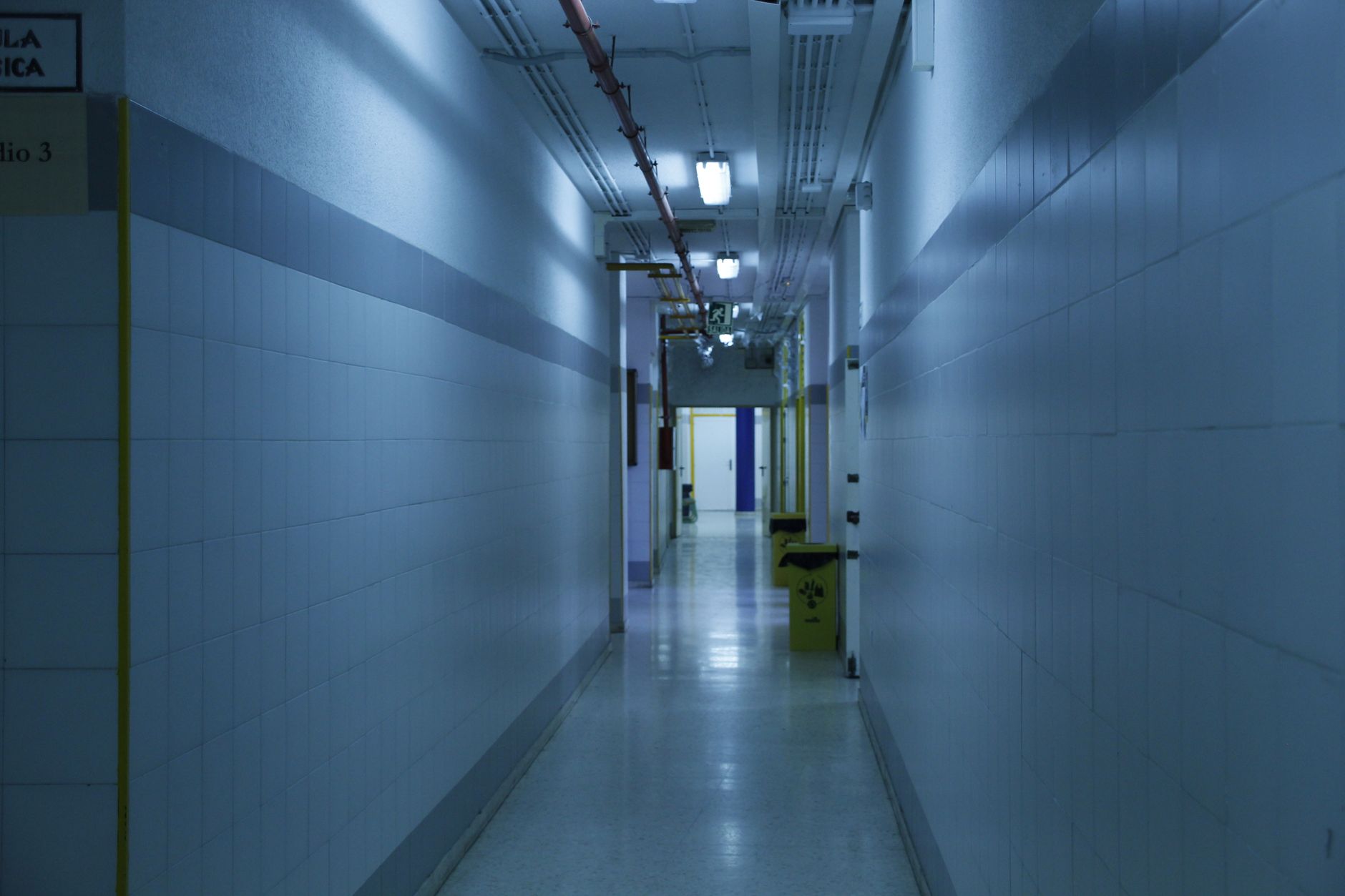
a surgical instrument manufacturer with ISO Class 8 cleanrooms in the Chicago suburbs
How a Surgical Instrument Plant Reclaimed One Full Role With Cleanroom Material AMRs
A Chicago-area surgical instrument maker used an autonomous mobile robot for cleanroom-to-warehouse runs, reclaiming a full role of transport time with about one year ROI.
- 1 FTE
- transport
- ~1 yr
- ROI cited
- 85K sf
- plant size
- ISO 8
- cleanrooms
Based on a documented real-world deployment. Figures are from public reporting; the organization is not named.
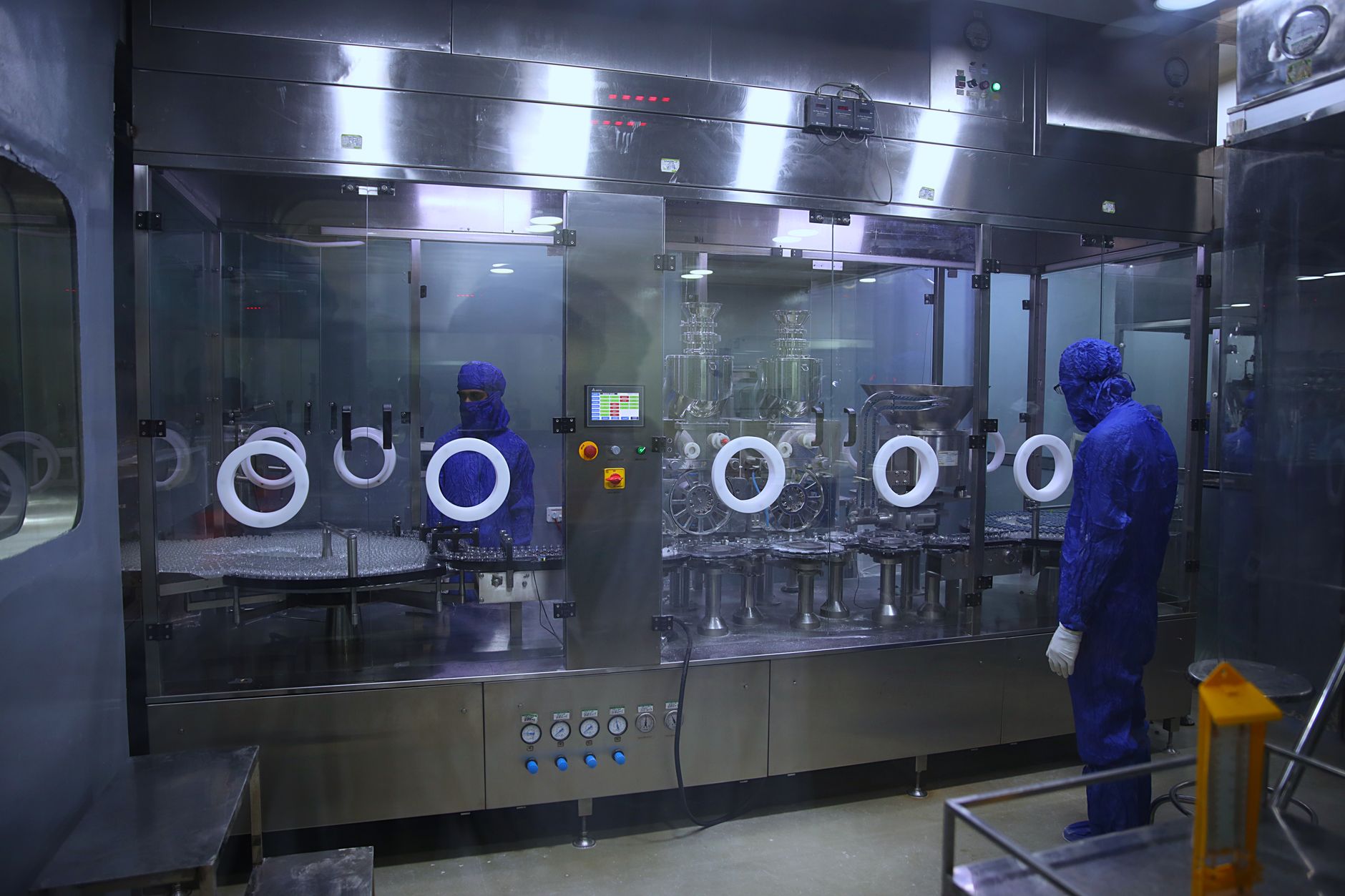
Gowning cycles broke material flow
The plant spans about 85,000 square feet, with roughly two-thirds built as ISO Class 8 cleanrooms where instruments are manufactured and packaged. Operators wear gowns, hair nets, and goggles inside controlled space and remove them when they step into the transfer area.
Every trip to the warehouse meant gowning and ungowning again, so teams batched material for a few pickups per shift instead of feeding lines continuously. That batching starved downstream stations and made planners chase shortages that were really timing problems.
In a tight Chicago-area labor market, leadership could not keep dedicating skilled gowned staff to walking pallets when those people were needed at value-added stations.
- Frequent gowning breaks for warehouse trips
- Batched pickups that stalled production
- Skilled labor stuck on internal transport
Missions between cleanrooms and the warehouse
The team deployed an autonomous mobile robot sized for cleanroom-compliant material moves between controlled production space and the warehouse. Operators stage loads for multiple departments, assign missions from a tablet interface, and let the robot complete the corridor run while they stay gowned at their stations.
Integration stayed lightweight: staff learned to queue missions quickly, and the robot ran repeatable routes between cleanrooms and storage without a fixed wire grid. Warehouse teammates unload at the far end while production keeps working inside controlled areas.
Training emphasized who owns staging, how to confirm mission completion, and when to escalate a fault so gowning discipline stayed intact.
- Map cleanroom transfer points and warehouse docks
- Define staging rules per department
- Train tablet mission selection on day one
- Keep gowning policy unchanged for people, not the robot
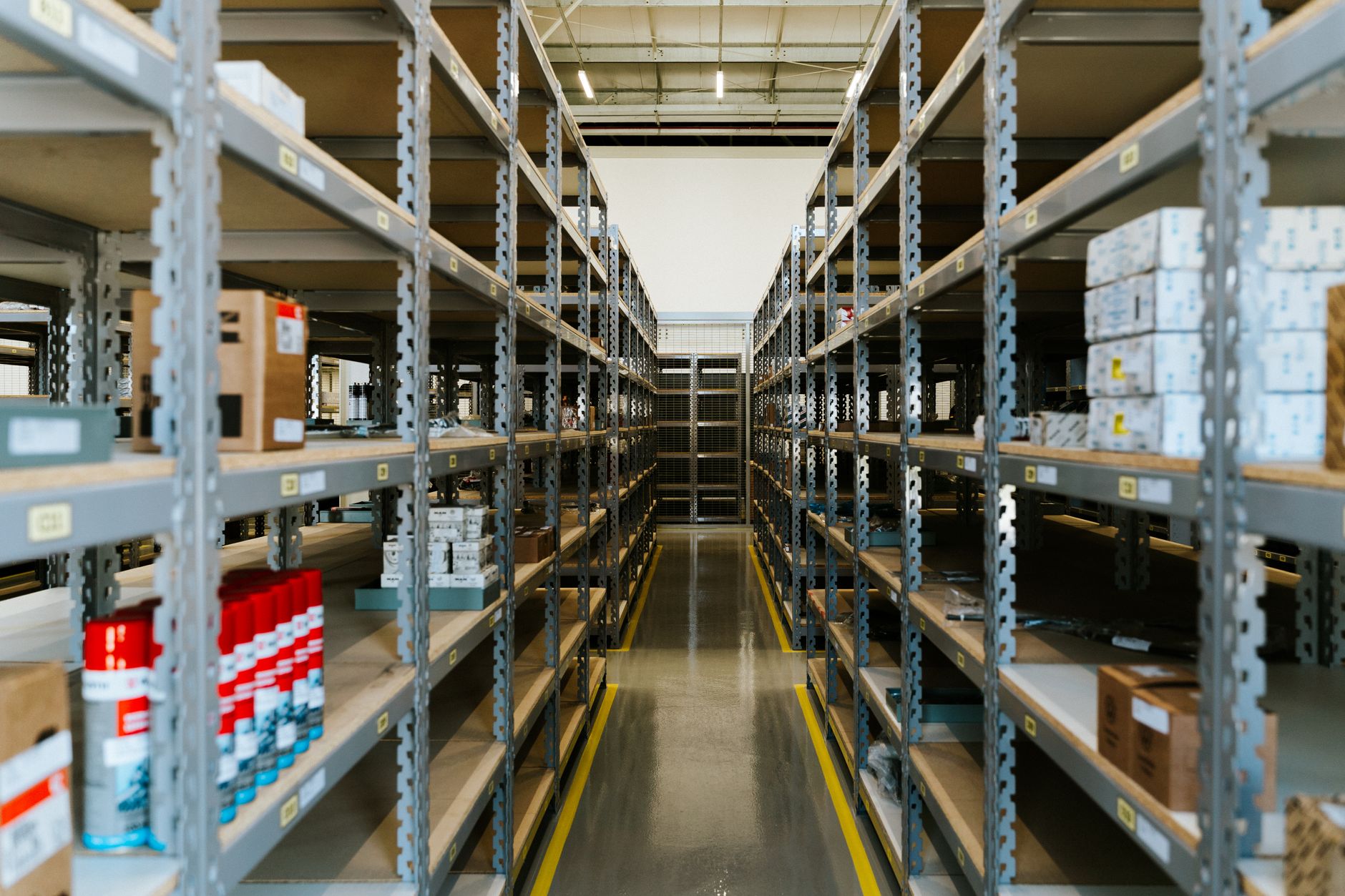
A full role of walk time returned to production

Leadership tracked the hours previously spent moving product back and forth and described the savings as equivalent to one full-time employee redeployed to higher-value work. Payback on the robot investment was reported at about one year.
Production flow smoothed because material could leave on demand instead of waiting for the next scheduled pickup window. Warehouse and cleanroom teams spent less time coordinating batched runs and more time on planning and quality checks.
This write-up analyzes a published deployment example. It is not a Service Robot Co. customer story.
What this means for regulated manufacturing
Cleanroom and medical device plants lose output when transport forces people out of controlled space. Autonomous mobile robot rental or lease programs can cover those miles without rewriting gowning protocols for every trip.
Service Robot Co. is vendor neutral on hardware, then handles robot deployment and integration, financing, and service through a nationwide network of regional service engineers.
If internal transport still consumes a full role on your floor, a free site assessment can map mission paths and estimate whether a one-year class payback is realistic before you buy.