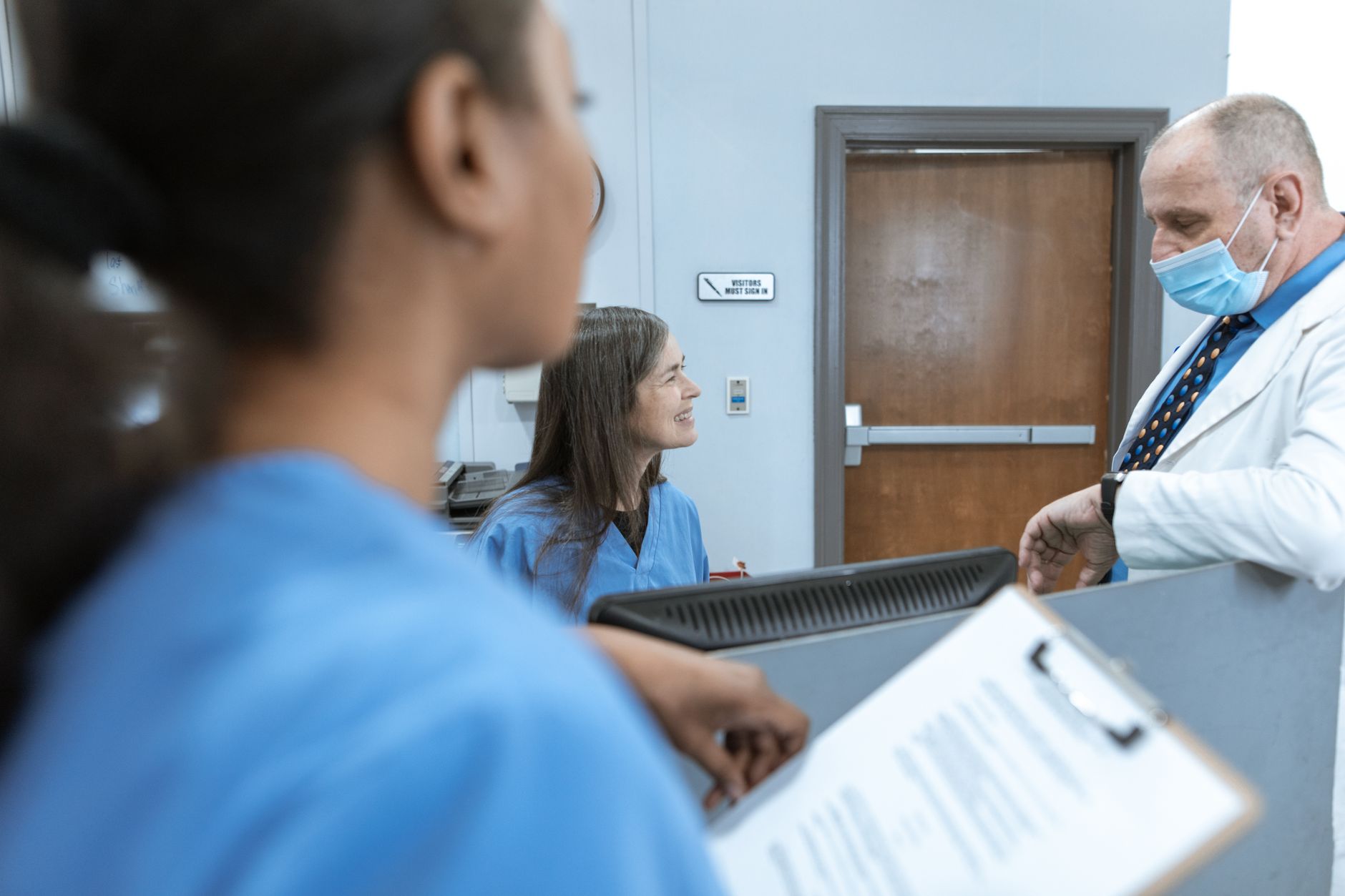
an acute-care hospital surgical-orthopedic nursing unit in the United States
How a Surgical Unit Saved 415 Staff Hours in Six Months With Delivery Robots
A six-month nursing pilot on a surgical-orthopedic unit logged 615 delivery robot runs and returned 415.8 staff hours while quality indicators held steady.
- 415.8 hr
- Staff hours saved
- 615
- Unit deliveries
- 82/day
- Hospital fleet runs
- 129.6 mi
- Robot travel
Based on a documented real-world deployment. Figures are from public reporting; the organization is not named.

Internal transport was eating nursing time
Surgical-orthopedic units run on tight loops: linens, supplies, medications, and equipment moves that pull licensed staff off direct patient work. When census climbs, those walks multiply and the unit feels short even when the schedule looks full.
Leadership at an acute-care hospital surgical-orthopedic nursing unit in the United States wanted a measurable way to pull repeatable transport off nurses without betting patient safety on a single vendor pitch. They needed numbers a nursing administration team could defend, not anecdotal praise from a demo day.
- Repeat hallway trips between supply areas and patient rooms
- Pressure to protect quality metrics while redeploying labor
- Need to pilot robots inside a broader nursing care model change
A six-month integrated care pilot
After institutional review and staff training, researchers ran a six-month mixed-methods pilot from August 2023 through February 2024. The integrated model combined virtual nursing support, licensed practical nurse coverage, and delivery robots alongside the existing registered nurse team on the unit.
Four delivery robots operated hospital-wide during the study window. Supervisors queued runs while clinicians stayed focused on patient care and unit workflows. The team tracked workload perception, nurse satisfaction, hospital acquired conditions, length of stay, and falls with time-series methods throughout the pilot.
- IRB approval and role-specific training before go-live
- Delivery robots added to virtual nurse and LPN support
- Ongoing monitoring with statistical process control views
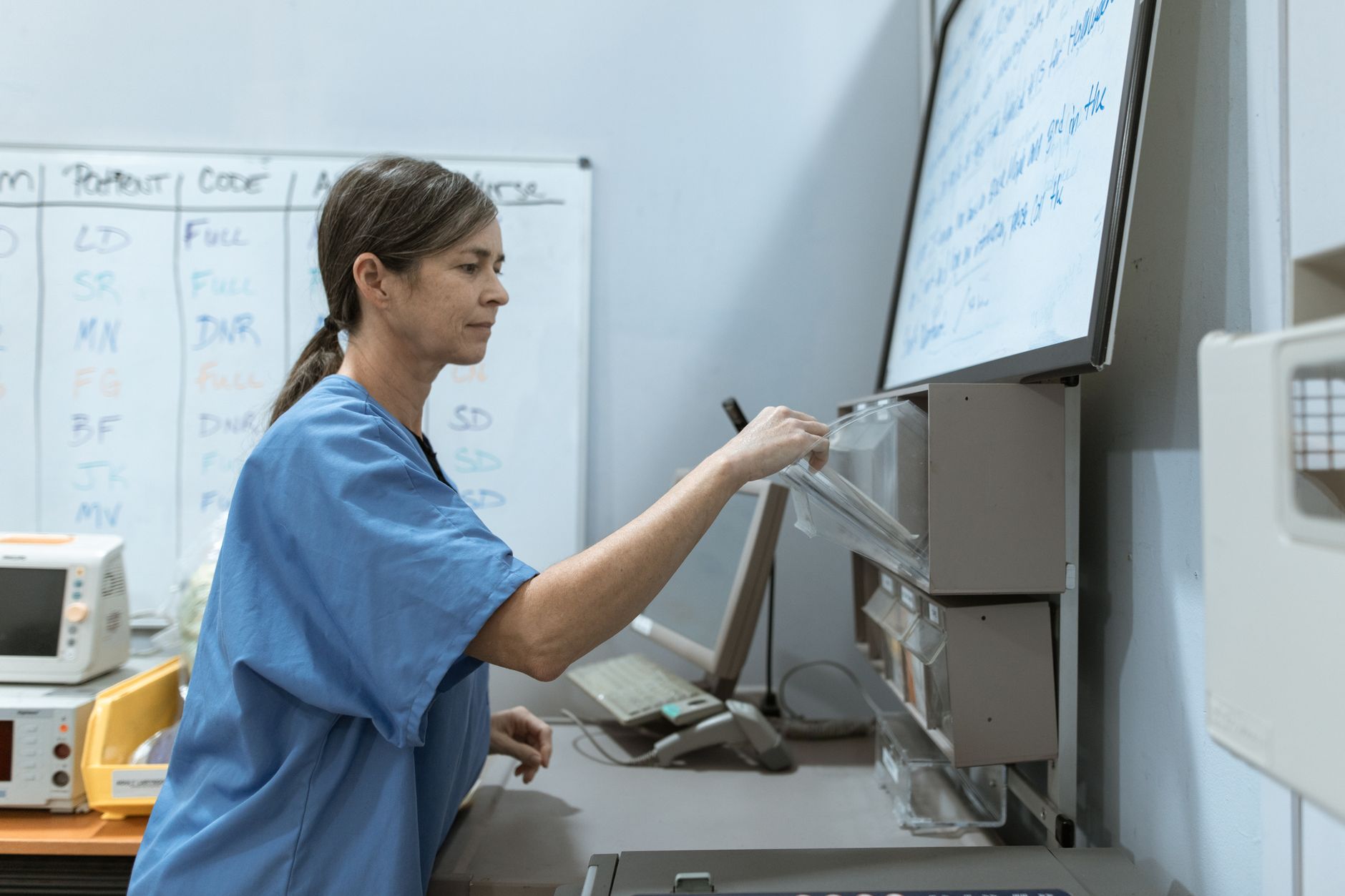
Documented hours and delivery volume
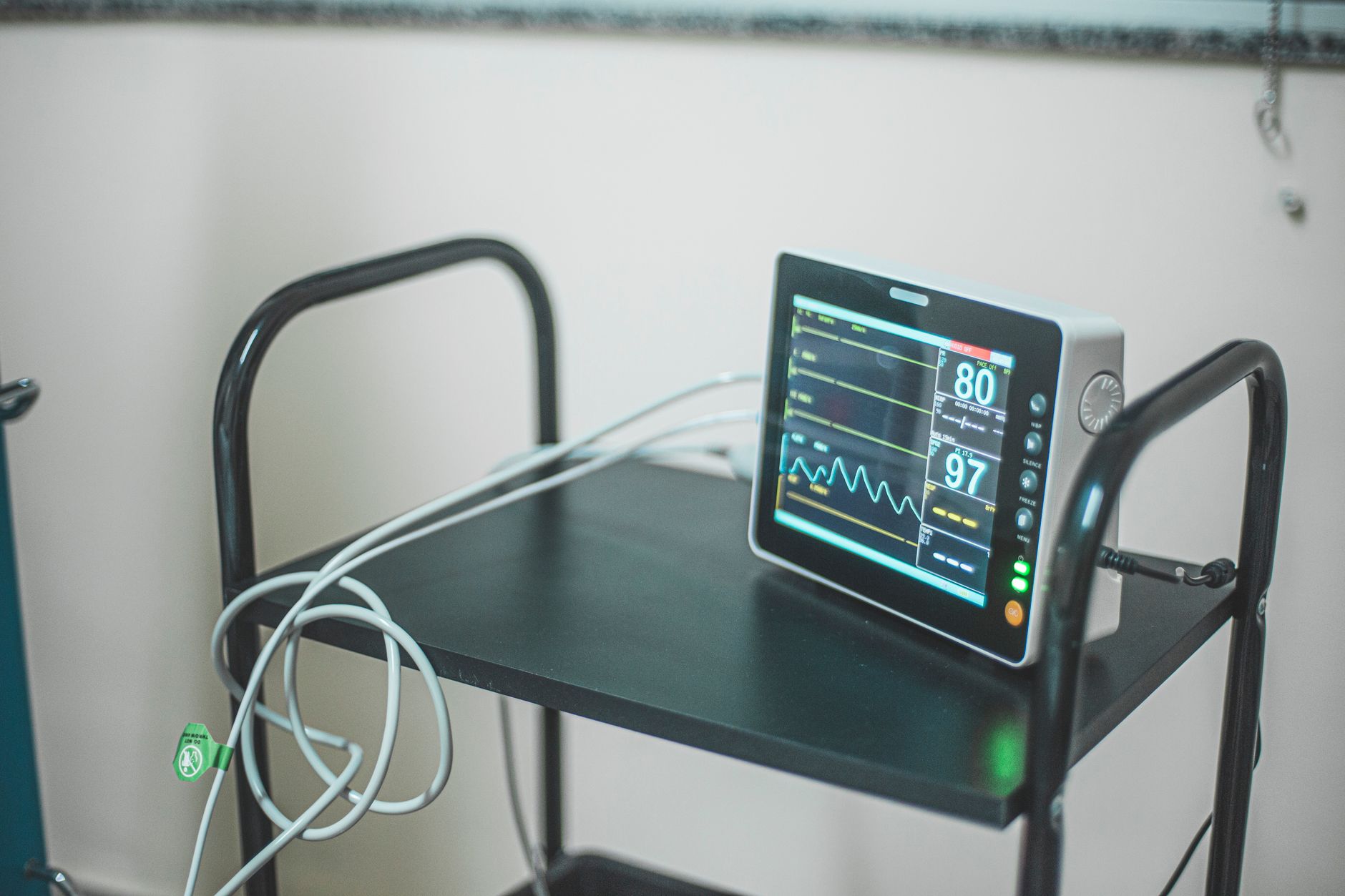
On the pilot unit alone, delivery robots completed 615 runs over six months, traveled 129.6 miles, and saved staff 415.8 hours according to the published Nursing Administration Quarterly report. The same source credits 377,640 staff journey points avoided on that unit.
Hospital-wide, the four-robot fleet averaged 82 deliveries per day during the pilot, with reported daily savings of 2.31 staff hours, 0.72 miles, and 2,098 staff journey points across departments. Hospital acquired conditions stayed stable while average length of stay and falls decreased.
The study also notes mixed human factors: virtual nurses handled 82 percent of admissions and discharges by the end of the pilot, yet registered nurses reported higher perceived workload, staffing concerns, and teamwork friction. That honesty matters when you scale transport automation beyond a single champion unit.
What hospital operators can take from the data
This deployment was researched and published by the hospital team, not delivered by Service Robot Co. The value for buyers is the verified link between delivery robot volume and returned staff hours on a surgical service.
Service Robot Co. helps U.S. hospitals evaluate hospital delivery robot rental and purchase paths with an OEM-neutral shortlist, site mapping, financing, integration, training, and RoboCare service through a nationwide network of regional service engineers. A free site assessment can show where autonomous runs replace the walks your nurses already resent before you commit capital.