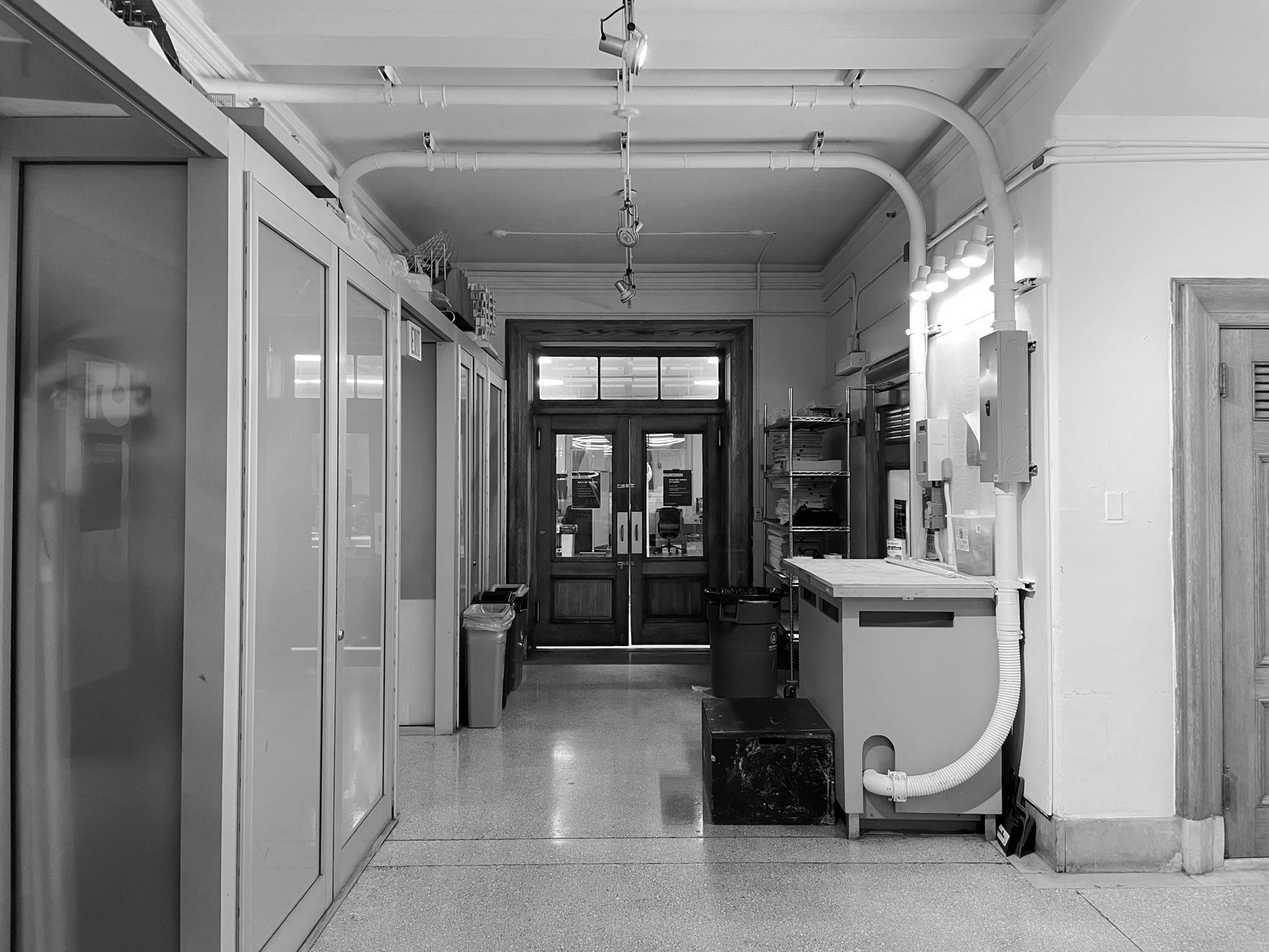
a pharmaceutical production and logistics campus in Switzerland
How a Swiss Pharmaceutical Campus Saved 220 Cleaning Hours With an Autonomous Scrubber
A documented Swiss pharmaceutical campus saved 220 cleaning hours a year, about CHF 8,390 in costs, and a 2.9-year payback after a compact autonomous scrubber pilot.
- 220 hr
- Labor saved
- CHF 8.4K
- Annual savings
- 2.9 yr
- Payback cited
- 1,022 m²
- Test area
Based on a documented real-world deployment. Figures are from public reporting; the organization is not named.

Night Shifts Across Regulated Production Zones
A pharmaceutical production and logistics campus in Switzerland needed reliable maintenance cleaning across warehouse, production, and logistics hard floors without pulling technicians into more overnight exposure.
Published reporting describes roughly 1,022 square meters in scope, including about 739 square meters of traffic area and 283 square meters of storage space, cleaned six times per week under GMP-minded supervision.
Leadership wanted cleaning quality that matched manual work while testing whether autonomous equipment could reduce labor on repetitive night routes.
- Cover traffic and storage zones on a six-day schedule
- Hold cleaning quality to pharmaceutical maintenance standards
- Reduce overnight labor without compromising safety
Overnight Autonomous Scrubbing With Manual Prep
An innovation lab field-tested a compact autonomous scrubber-dryer after an earlier sweeping-robot trial, running mapped cycles from about 23:00 to 05:00 when foot traffic was lowest.
Teams pre-cleaned coarse debris before each autonomous run and handled occasional manual recovery when the unit wedged in a tight layout, keeping humans in the loop for prep and exceptions.
Each cycle lasted about four hours on the pilot footprint, with automatic return-to-dock charging reported as reliable across the test window.
- Pre-clean heavy debris before autonomous passes
- Run mapped scrubber cycles overnight on production and logistics floors
- Dock and recharge between shifts with staff on call for stuck units
Documented Hours, Cost, and Quality Outcomes
Visual inspection found cleaning results comparable to manual work, with no reported quality loss on the pilot routes.
Economic analysis cited about 220 labor hours saved per year and roughly CHF 8,390 in annual cleaning cost savings, with a stated 2.9-year amortization period that includes prep and follow-up labor.
Obstacle detection recorded no collisions with people or objects during overnight operation, aside from one manual recovery when the robot wedged in an unfavorable position.
What US Pharma and Industrial Sites Can Take From This
This is a documented real-world pilot analyzed for readers, not a Service Robot Co. customer deployment. It shows how a compact autonomous scrubber can cover regulated industrial floors overnight when prep, docking, and exception handling are planned upfront.
Service Robot Co. stays OEM-neutral, maps routes with your EHS and quality teams, and bundles buy or lease financing with nationwide RoboCare service so facilities leaders have one partner from pilot through multi-building rollout.