
a large California table-grape grower
Harvest-Assist AMRs Raise Grape Harvest Output 20 to 30%
A documented Western Growers case shows a large California table-grape grower gained 20 to 30% harvest output and saved $1.50 to $2 per box.
- 20 to 30%
- higher harvest output
- $1.50-$2
- saved per box
- 19 to 20 lb
- box weight
- 2 years
- time in field use
Based on a documented real-world deployment. Figures are from public reporting; the organization is not named.
Where Harvest Time Was Slipping Away
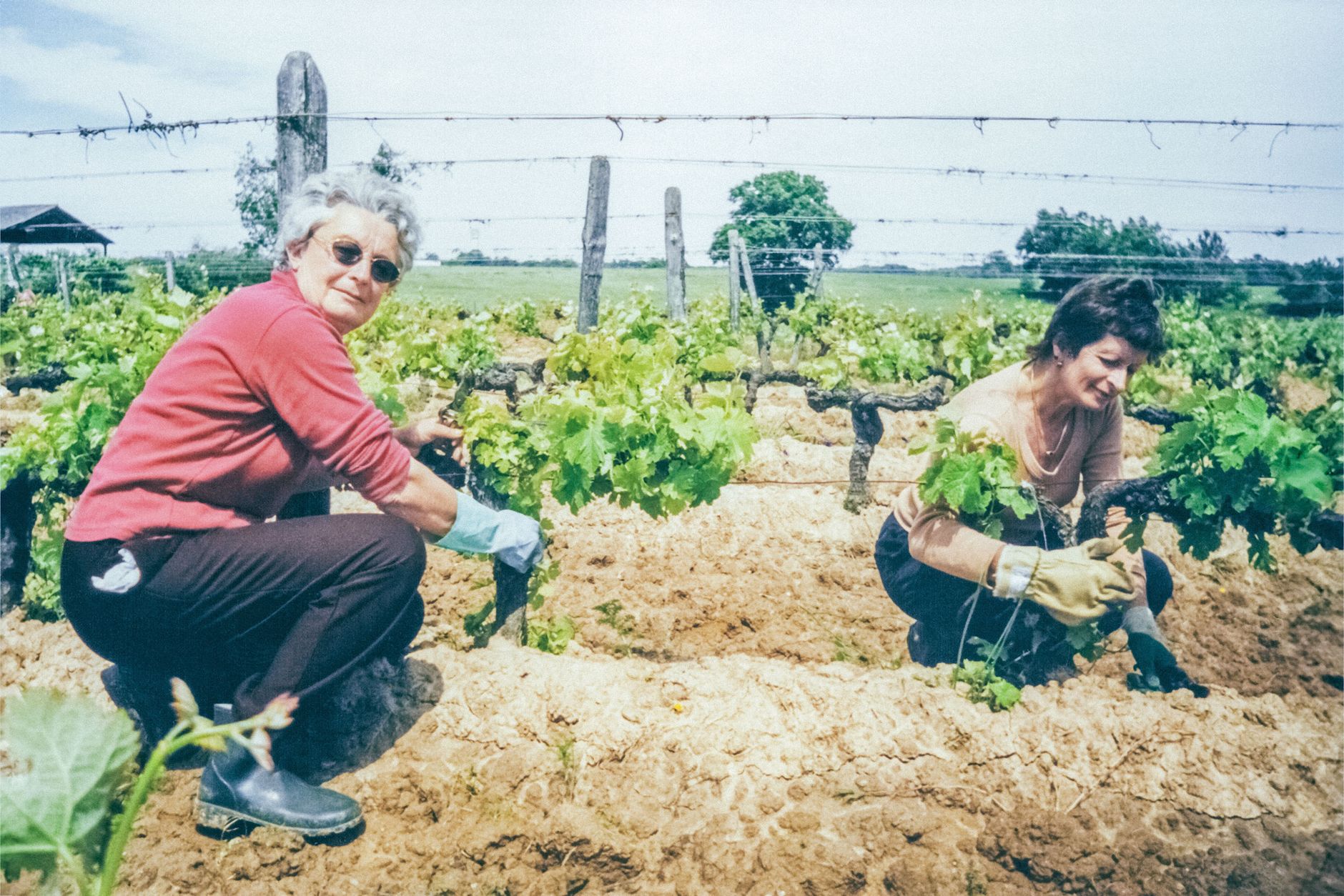
Table-grape harvest is punishing on wasted motion. Pickers can cut clean fruit at pace and still watch output sag if every filled container has to be carried through long rows to a collection point.
That drag hits the operation twice. It strips minutes out of the harvest window, and it turns skilled pickers into transport labor whenever fruit has to move by hand instead of staying in the crew flow.
- Long vineyard rows kept pulling pickers away from picking work.
- Harvested grapes had to be carried to collection points.
- The bottleneck sat in field transport, not in the crew's ability to pick fruit.
How the Carts Entered Crew Flow
The public case summary is brief, and it does not publish a formal rollout plan, training schedule, or service arrangement. What it does show is a real field adoption that stayed in place for two years, which is enough to separate a working operating change from a short demonstration.
Based on the report's wording, the grower judged fit in live harvest crews, compared cart-assisted crews against crews working without carts, and kept the equipment in use long enough to build its own cost analysis. After that proof, the company planned broader use and looked at de-leafing, tipping, and harvesting as the next tasks to automate.
- Autonomous harvest-assist carts were introduced into live grape crews.
- The grower compared cart-assisted crews with crews working without carts.
- The equipment remained in use for two years before the case was published.
- After those results, the grower planned to expand use and explore adjacent field tasks.
Measured Field Impact
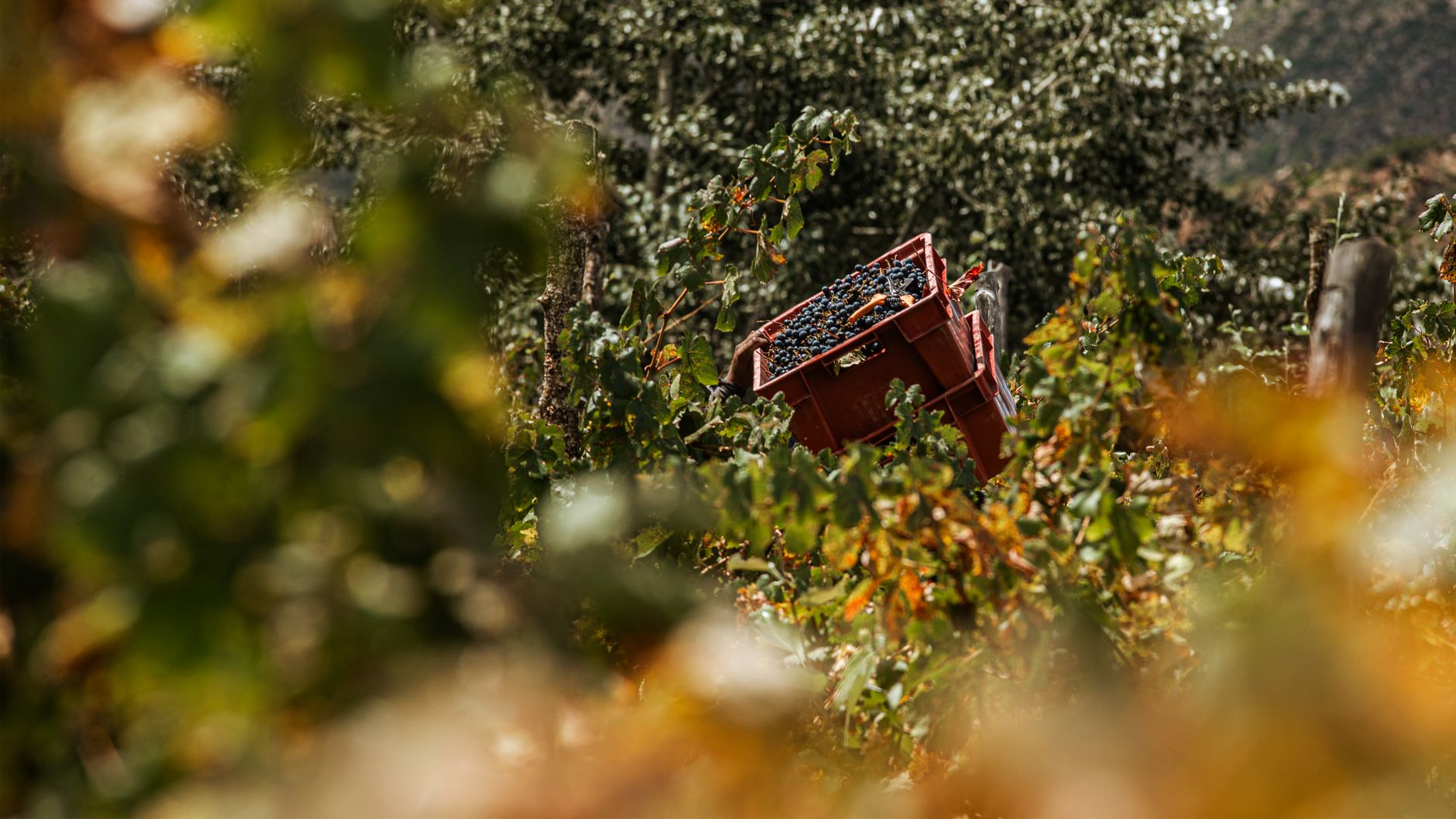
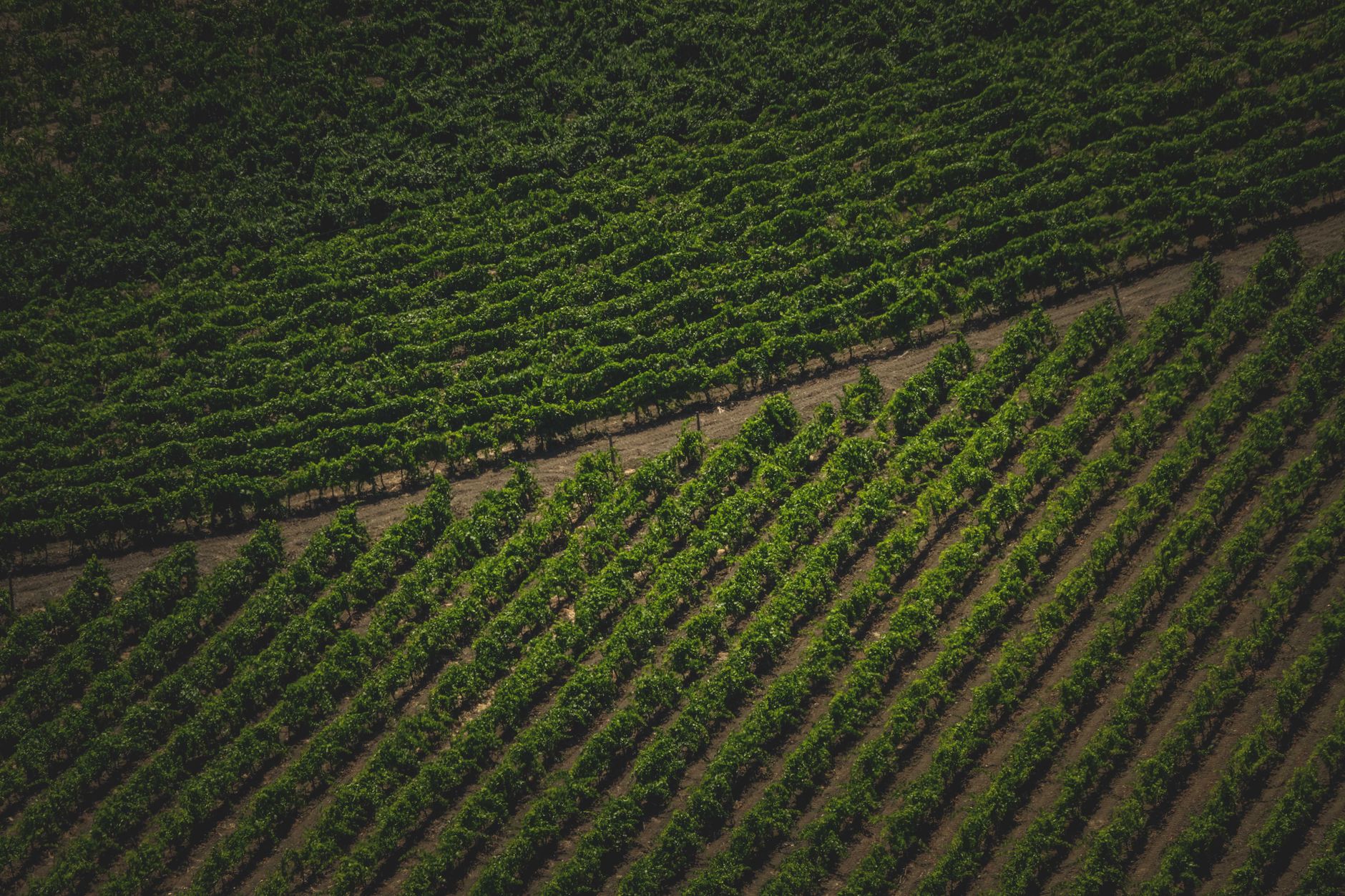
After two years of use, the grower's own cost analysis found that a crew working with autonomous harvest-assist carts harvested grapes at about $1.50 to $2 less per box than a crew working without them. The report attributes that gap to 20 to 30% output gains for the cart-assisted crew.
Each box held about 19 to 20 pounds of fruit, so the savings showed up at the packed-unit level growers already track. The company also planned to continue expanding the carts and pursue automation in de-leafing, tipping, and harvesting.
What This Signals for Growers
This case is a useful reminder that field automation does not have to replace the picker to move the economics. A harvest-assist AMR earns attention when it removes dead travel, fits the crop rhythm, and stays dependable long enough for a grower to measure the change honestly.
For growers sorting through autonomous mobile robot leasing, AMR leasing, or purchase or lease, the hard part is usually fit and accountability. Service Robot Co. is a full-service, vendor neutral robot integrator that helps buyers choose across manufacturers, then handle robot deployment and integration, financing, crew training, go live support, RoboCare™ service, and service through a nationwide engineer network.