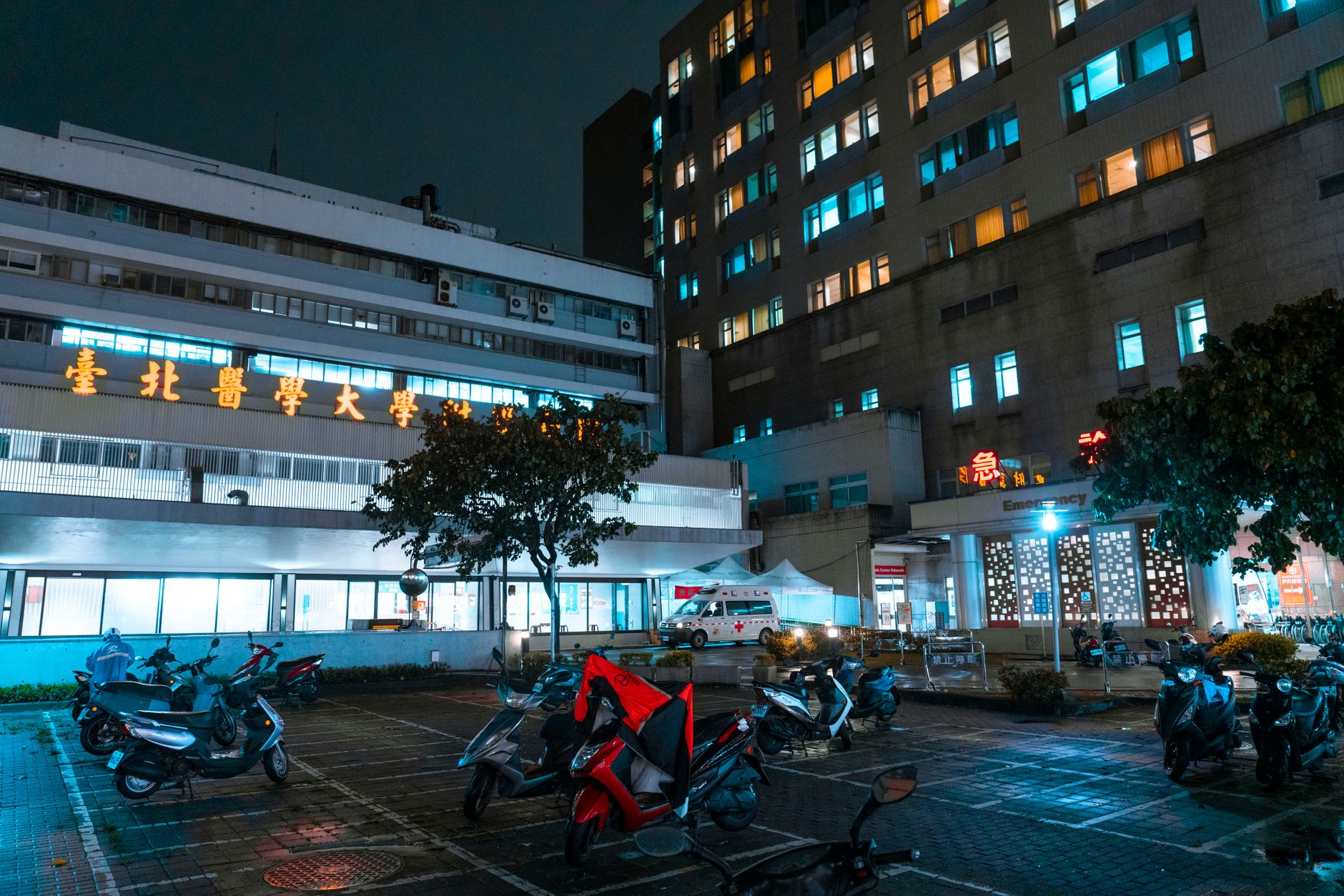
a large acute-care hospital in Taiwan
How a Taiwanese Hospital Replaced 4 to 6 Night Cleaners With a Disinfection AMR
A large Taiwan acute-care hospital deployed an AI disinfection AMR that covers four to six night cleaners worth of work and plans extra runs before morning outpatient clinics.
- 4-6
- Night staff equivalent
- 1
- AMR on night shift
- AI
- Object-aware disinfection
- 2
- Spray and UV modes
Based on a documented real-world deployment. Figures are from public reporting; the organization is not named.
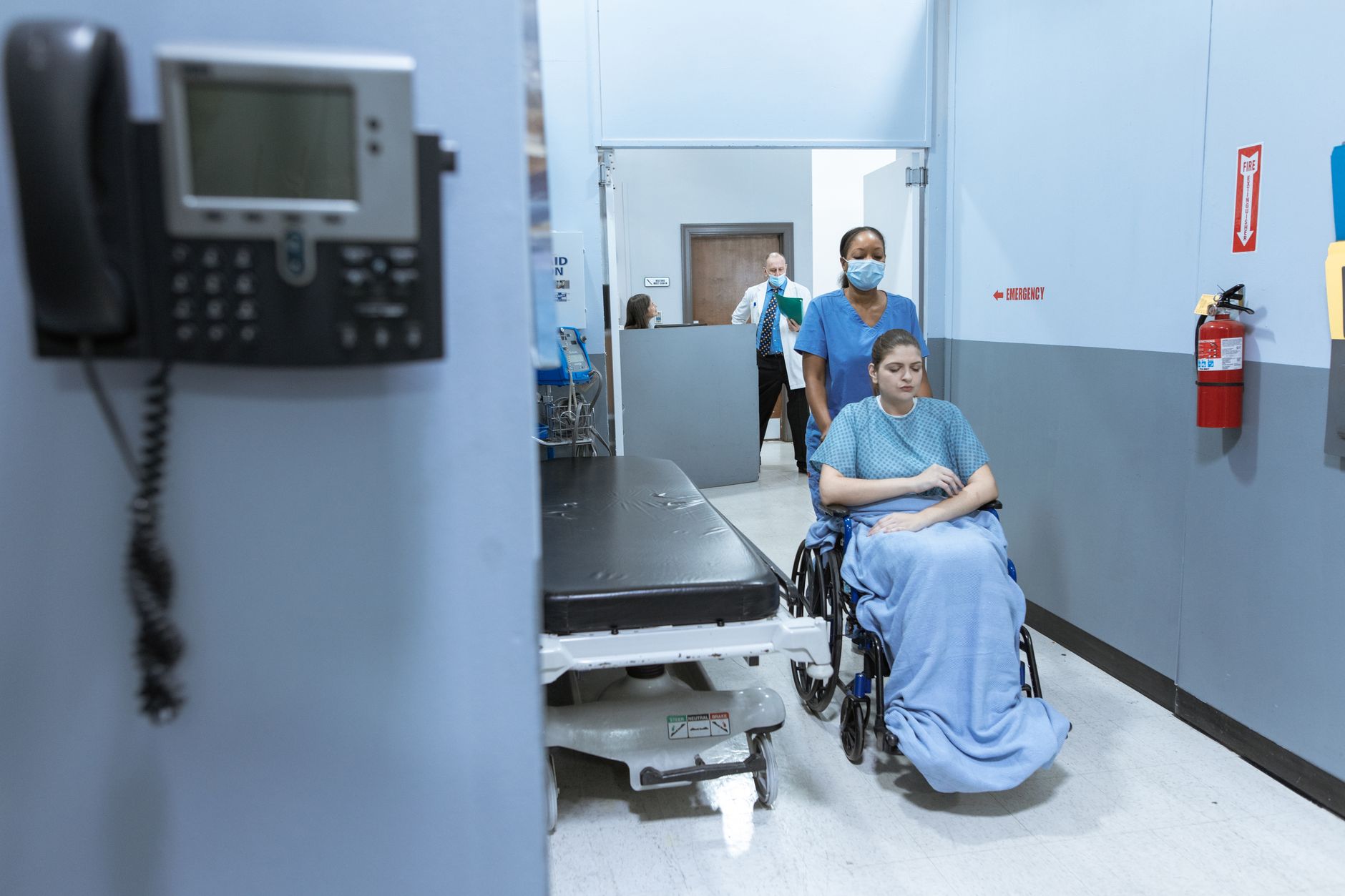
Infection control with shrinking night crews
Environmental disinfection sits at the center of hospital infection control. Surfaces must be cleaned and treated on a disciplined schedule so bacteria and viruses do not ride on touchpoints from ward to ward.
When COVID-19 strained staffing, a large acute-care hospital in Taiwan saw routine night disinfection slip while contact risk rose. Taiwan also faces a tight labor market, so leadership wanted automation that could keep hygiene high without betting on hard-to-fill overnight cleaners alone.
- Night disinfection tied to limited EVS headcount
- COVID-era staffing gaps on environmental services
- Equipment and beds that move between shifts
- Need for consistent quality across individual cleaners
From fixed routes to AI-guided disinfection AMRs
The hospital first trialed an autonomous disinfection mobile robot on preset points and schedules. That unit eased hiring pressure but still needed staff when beds and gear shifted, because it could not adapt routes on its own.
After the pandemic, the site moved to a second-generation fleet with vision-driven recognition of equipment and clutter. The platform chooses spray or ultraviolet exposure based on what it sees, reports results after each run, and retrains its models from completed tasks. Two configurations serve the campus: a spray head with adjustable volume, distance, and angle, and a UV unit timed for non-waterproof instruments.
- Mapped hospital zones with dynamic obstacle handling
- Spray runs for broad surface coverage where water is acceptable
- UV runs focused on instruments that cannot tolerate liquid methods
- Post-task reporting to keep disinfection models current

Labor equivalent, higher frequency, steadier quality
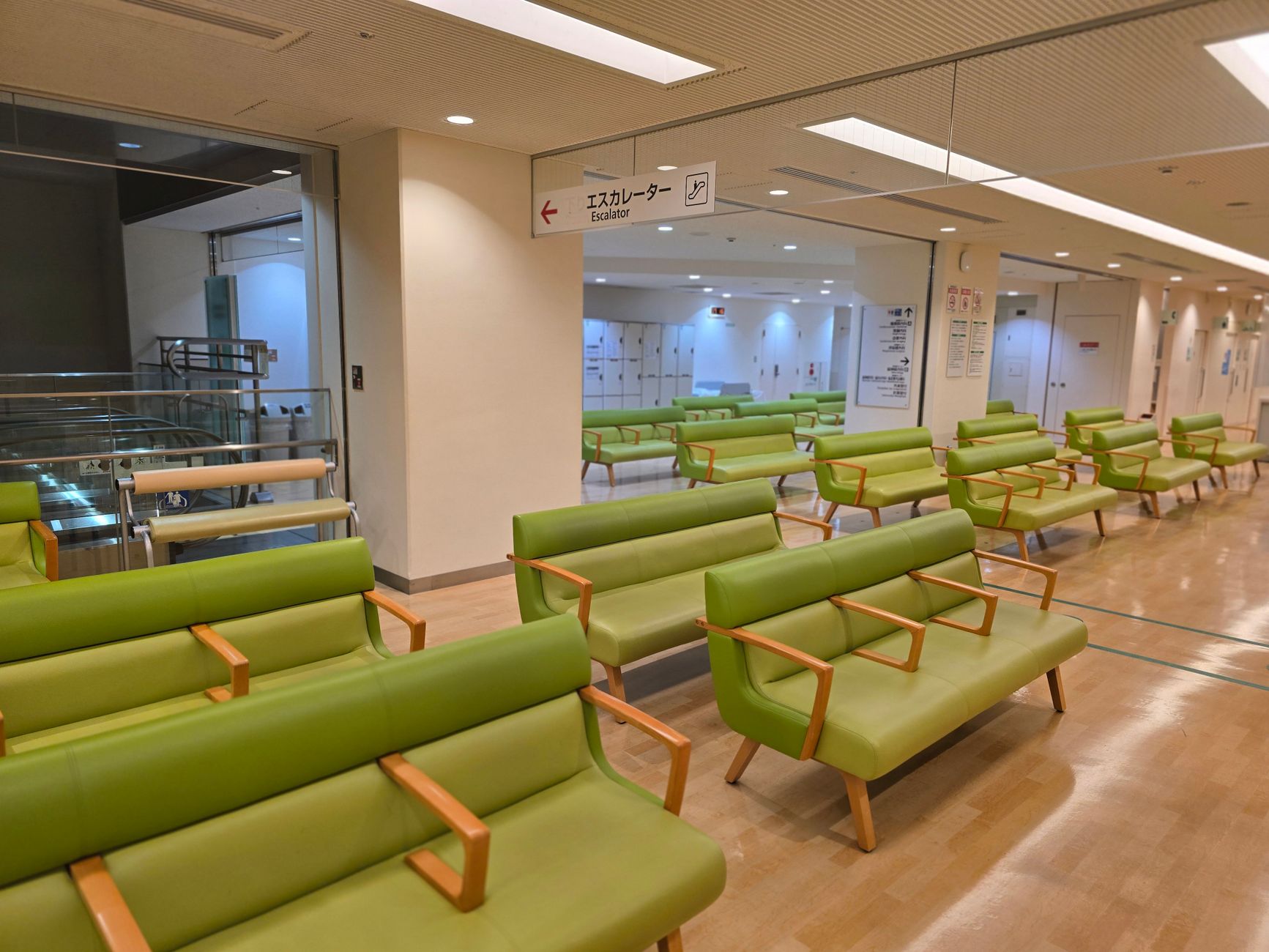
Hospital leadership reports one disinfection AMR can cover the workload of four to six cleaning workers on the night shift. That frees people for tasks robots cannot own while keeping infection control cadence on track.
Because the unit runs without the fatigue or technique drift of a rotating crew, disinfection quality stays aligned with written procedures. The site had been limited largely to overnight environmental runs; planners now schedule additional passes before morning outpatient hours so waiting areas start the day already treated.
What US healthcare operators can learn
This story comes from a documented deployment at a Taiwanese acute-care hospital. Service Robot Co. did not run that project. It still shows why US hospitals evaluate hospital disinfection robot and UV disinfection robot rental when night EVS teams are thin.
Service Robot Co. is a vendor-neutral integrator: we match autonomous mobile robot rental options to your floor plan, then finance, deploy, train, and service through a nationwide field network. Month-to-month robot rental and maintenance included plans let you pilot infection control robots before capital purchase, with one partner from site assessment through go-live support.