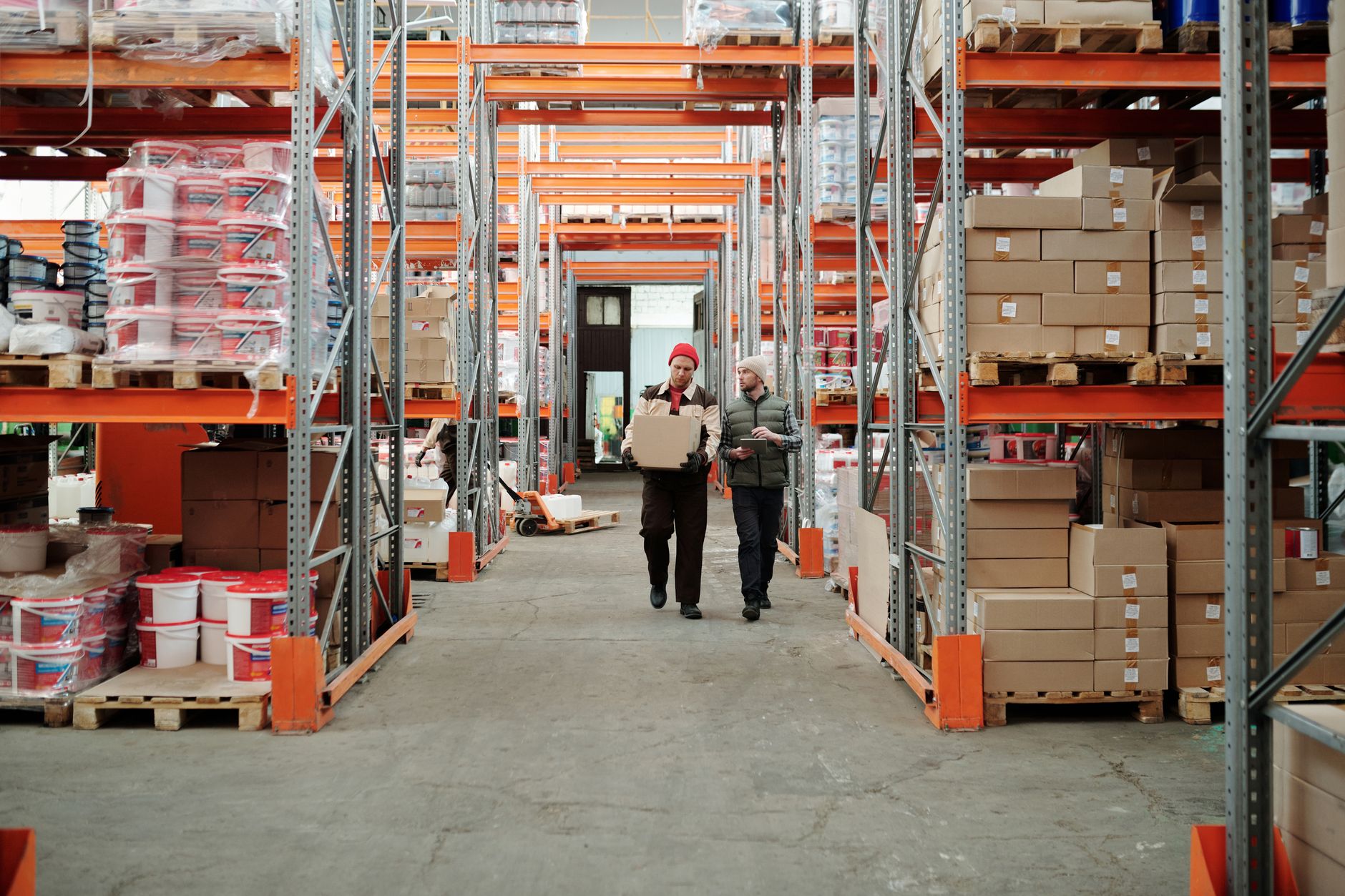
a 400-person tea-packing plant in Poland
Tea Plant Automates 30% of Operators’ Former Workload
See how a 400-person tea-packing plant automated palletizing, freed 30% of operator workload, and moved about 1,100 boxes per eight-hour shift.
- 30%
- operator workload freed
- 6
- palletizing cobots
- ~1,100
- boxes each per shift
- ~12 months
- estimated payback
Based on a documented real-world deployment. Figures are from public reporting; the organization is not named.
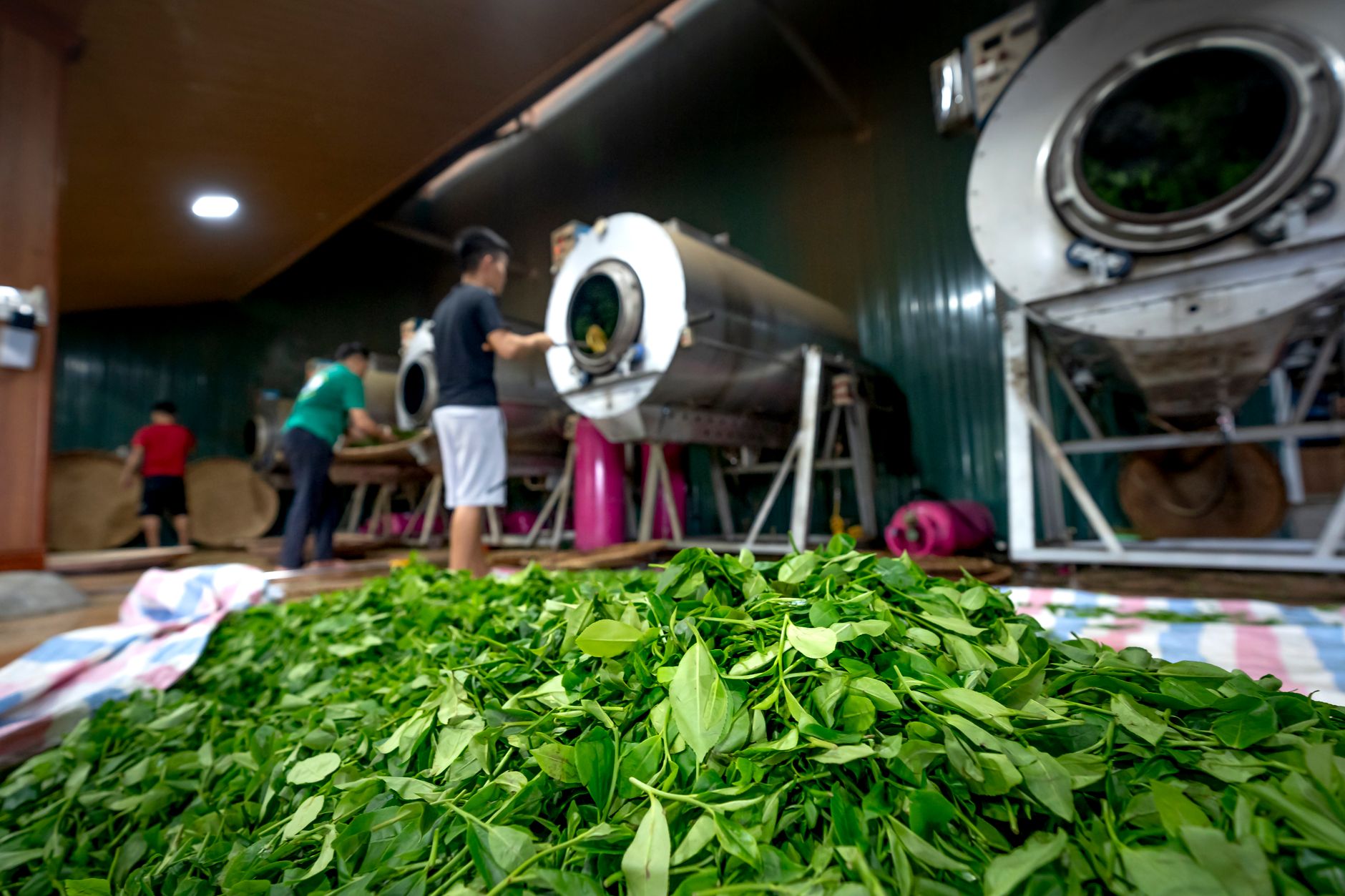
A critical job that people did not want
At a 400-person tea-packing plant in Poland, recruiting and retaining people for monotonous packaging and palletizing work had become increasingly difficult. Yet finished cartons still had to leave the packing station and reach the pallet with reliable cadence.
The physical burden sharpened the staffing problem. Operators repeatedly bent down to place boxes on lower pallet layers, while varying carton formats demanded the right reach, payload, gripping method, and approachable programming.
- Keep a key end-of-line process moving despite fewer applicants for palletizing roles.
- Remove the most strenuous bending and placing work from operators.
- Accommodate cartons that varied in shape and size.
- Automate discrete subprocesses systematically, while assigning people to higher-value work.
Test the task, then repeat what worked

The plant considered multiple automation paths, then tested a collaborative palletizer against the actual tea-carton task. Selection centered on reach, payload, flexibility, ease of use, and a vacuum gripper suited to picking packed boxes.
Rollout followed the process rather than a grand redesign. The first installation took about 3 weeks; with the method established, later deployment could be completed in a few hours by defining pickup points and carton dimensions.
The automation team received basic programming training and built deeper scripting knowledge internally. The published account does not describe the ongoing maintenance arrangement, so no service-level result should be inferred from this case.
- Break packaging and palletizing into distinct subprocesses.
- Validate reach, payload, gripping, carton variation, and pallet patterns on the floor.
- Deploy the first cell, capture the programming method, and extend it across 2 lines.
- Train the plant automation team to adjust picking points, box dimensions, and layer patterns.
The palletizing share left operators’ hands
Before automation, operators spent about 70% of their time packaging and 30% palletizing. Once palletizing was fully automated, the documented plant reported that operators were freed from 30% of their former task load.
Across 2 production lines, 6 collaborative palletizers placed boxes according to predefined patterns. Each handled about 1,100 boxes during an 8-hour shift, while the estimated return period was about 12 months.
The gain was not merely arithmetic. The most strenuous activity, bending to build the lower pallet layers, was eliminated from the operator role, and employees moved toward higher-value processes.
A practical blueprint for US end-of-line automation
This documented example was not deployed by Service Robot Co. and is not presented as a client result. Its value is the operating pattern it reveals: isolate the repetitive burden, test equipment against real cartons, teach the plant team, and expand only after the cell is repeatable.
Service Robot Co. brings that discipline to US businesses as a full-service, OEM-neutral commercial robot integrator. We select across manufacturers, finance, deploy, integrate, train, and service each unit through a nationwide US engineer network, giving the operator a single accountable vendor for the lifecycle.
For a manufacturer evaluating cobot leasing for manufacturing, palletizing robot leasing, or another financing path, the essential question is fit. A site assessment and commercial robot demo can establish carton mix, reach, payload, gripper, line interface, floor space, and support needs before robot deployment and integration.