
a New England teaching hospital with two operating rooms in an infection-prevention study
Teaching Hospital Cut OR Surface Contamination 81% With Pulsed-Xenon UV
A documented teaching-hospital OR study reports 81% lower surface contamination and 46% lower airborne contamination after pulsed-xenon UV between cases.
- 81%
- Surface drop
- 46%
- Airborne drop
- 10 min
- Room cycle
- ~0
- Between-case rise
Based on a documented real-world deployment. Figures are from public reporting; the organization is not named.
Between-case bioburden kept climbing
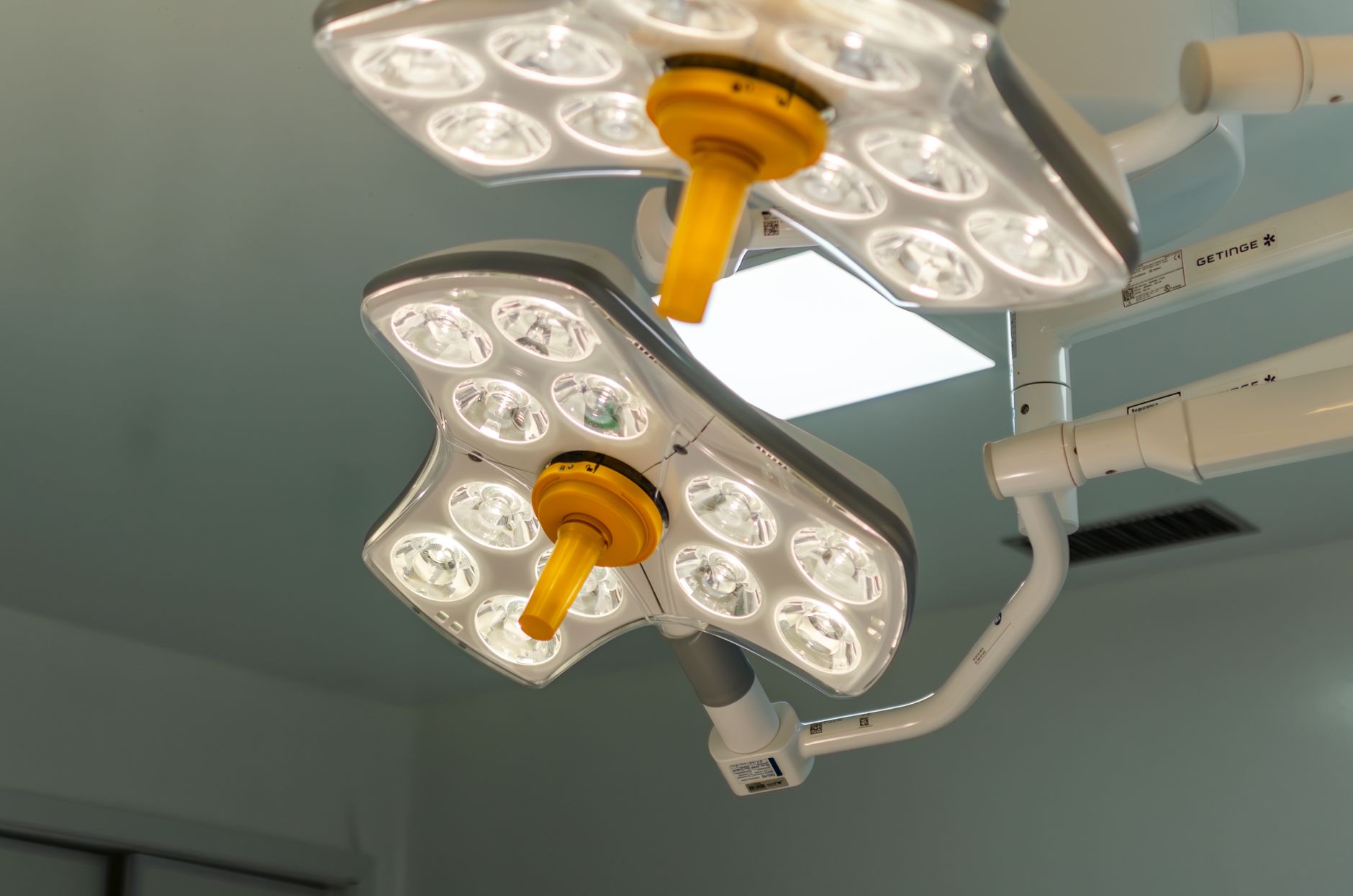
Environmental services leaders at a New England teaching hospital with two operating rooms in an infection-prevention study watched a familiar pattern. Quick between-case wipes left high-touch anesthesia and nursing surfaces looking clean while settle-plate sampling still showed contamination climbing from one procedure to the next.
OR turnover pressure left little slack for longer terminal protocols, yet surgical site infection risk ties directly to what remains on inanimate surfaces and in the air near the field. The team needed a disinfection step that could run on a fixed clock without adding another manual wipe-down pass.
- Twelve high-touch OR surfaces tracked across two rooms
- Air sampling with settle plates during cases and after terminal cleans
- Standard between-case cleaning alone let contamination rise case over case
Mapped pulsed-xenon cycles inside turnover windows
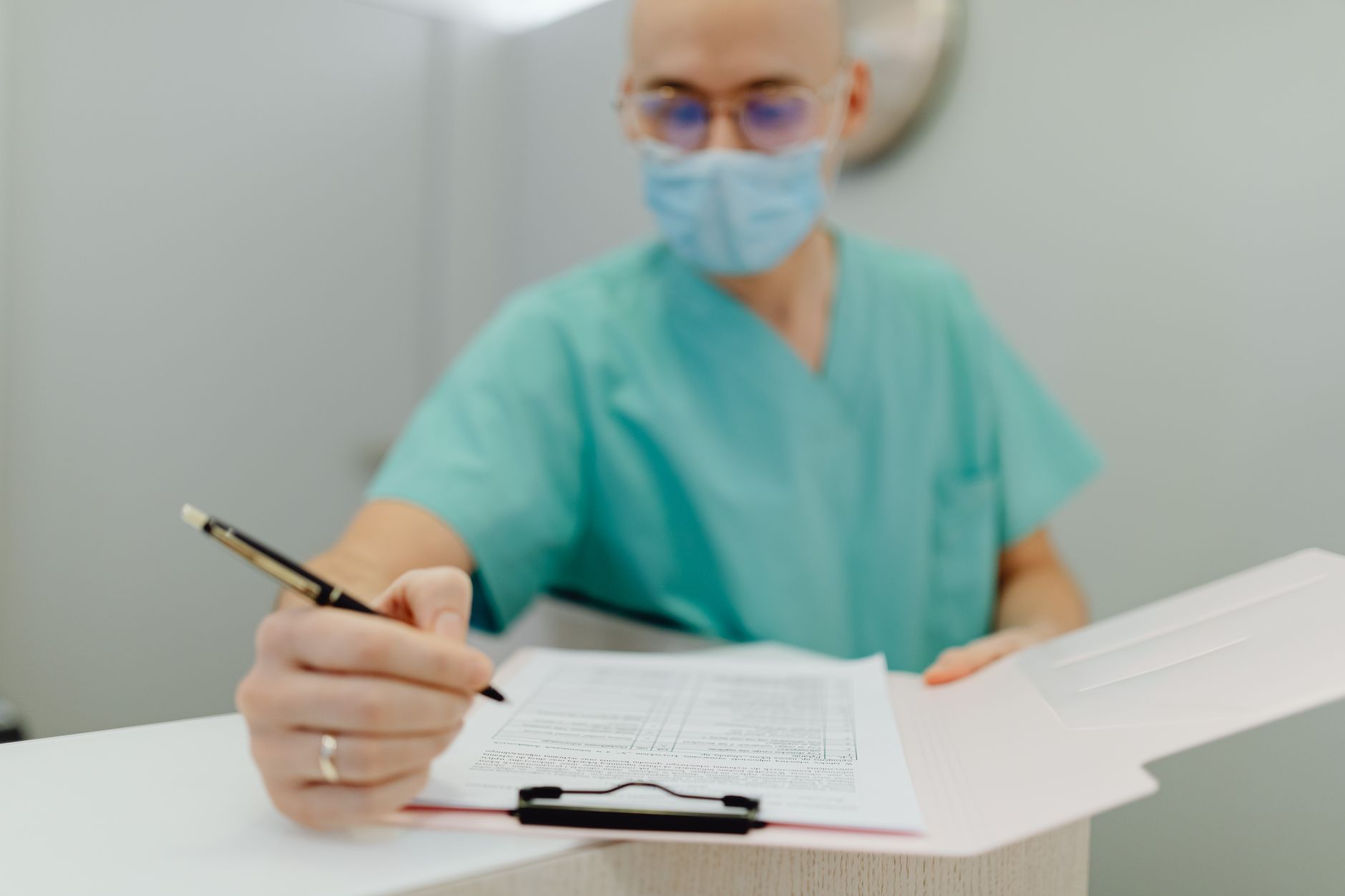
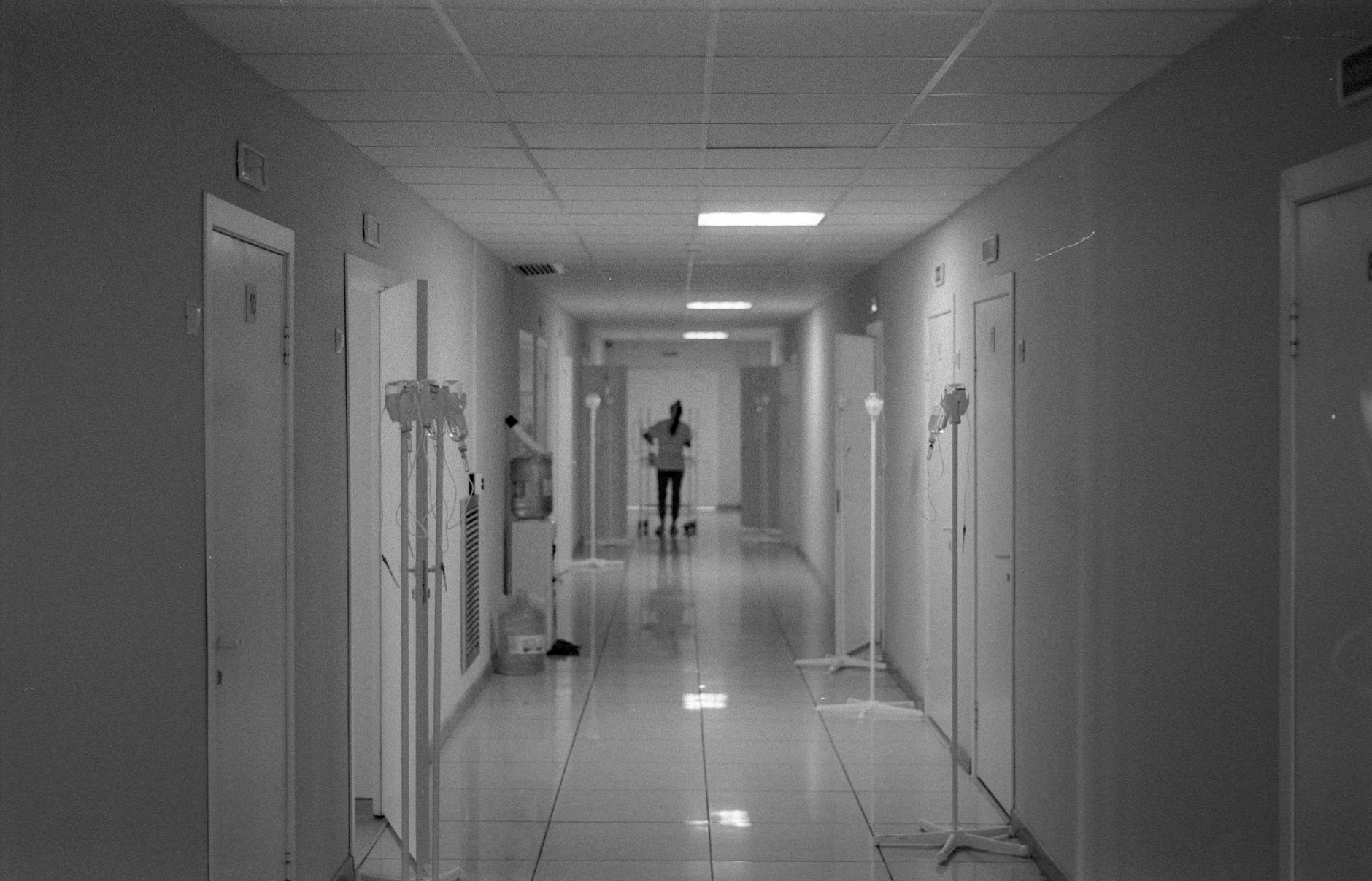
Infection prevention partnered with environmental services to add pulsed-xenon ultraviolet room disinfection after the existing quick clean. The robot supplier mapped four five-minute treatment positions using radiometer readings so each zone received a consistent UV dose, then ran two mobile units in parallel to keep total room time near ten minutes.
Sampling repeated the same twelve surfaces, including anesthesia controls, the infusion pole, overhead lamp, bed controls, and the nurses station mouse, before and after between-case cleaning with and without the UV step. Airborne contamination was measured with settle plates placed near the operative field for eight-hour case blocks and after terminal cleans on separate days.
- Baseline between-case standard cleaning with surface cultures
- Add pulsed-xenon UV immediately after the quick clean
- Repeat air and surface sampling with identical plate placement
- Compare case-to-case trends with and without the UV cycle
Measured drops on surfaces and in the air
Reported findings from the documented study show pulsed-xenon UV cut operating-room surface contamination by 81 percent versus the pre-disinfection baseline after standard cleaning. Airborne contamination measured on settle plates fell 46 percent with the same protocol.
Between-case contamination continued to rise from procedure to procedure when only standard cleaning ran. When the pulsed-xenon step followed the quick clean, those between-case levels fell to nearly zero instead of accumulating across the day.
What similar hospitals can plan for
This example is a published infection-prevention study, not a Service Robot Co. customer deployment. It still shows why acute-care leaders compare UV disinfection robots on lease or purchase when OR minutes are scarce and culture data matters more than visual wipe-downs.
Service Robot Co. stays OEM-neutral across UV and autonomous cleaning platforms, structures financing, maps treatment positions to your room geometry, trains environmental services on cycle timing, and backs units with a nationwide network of regional service engineers so turnover plans stay realistic after go-live.