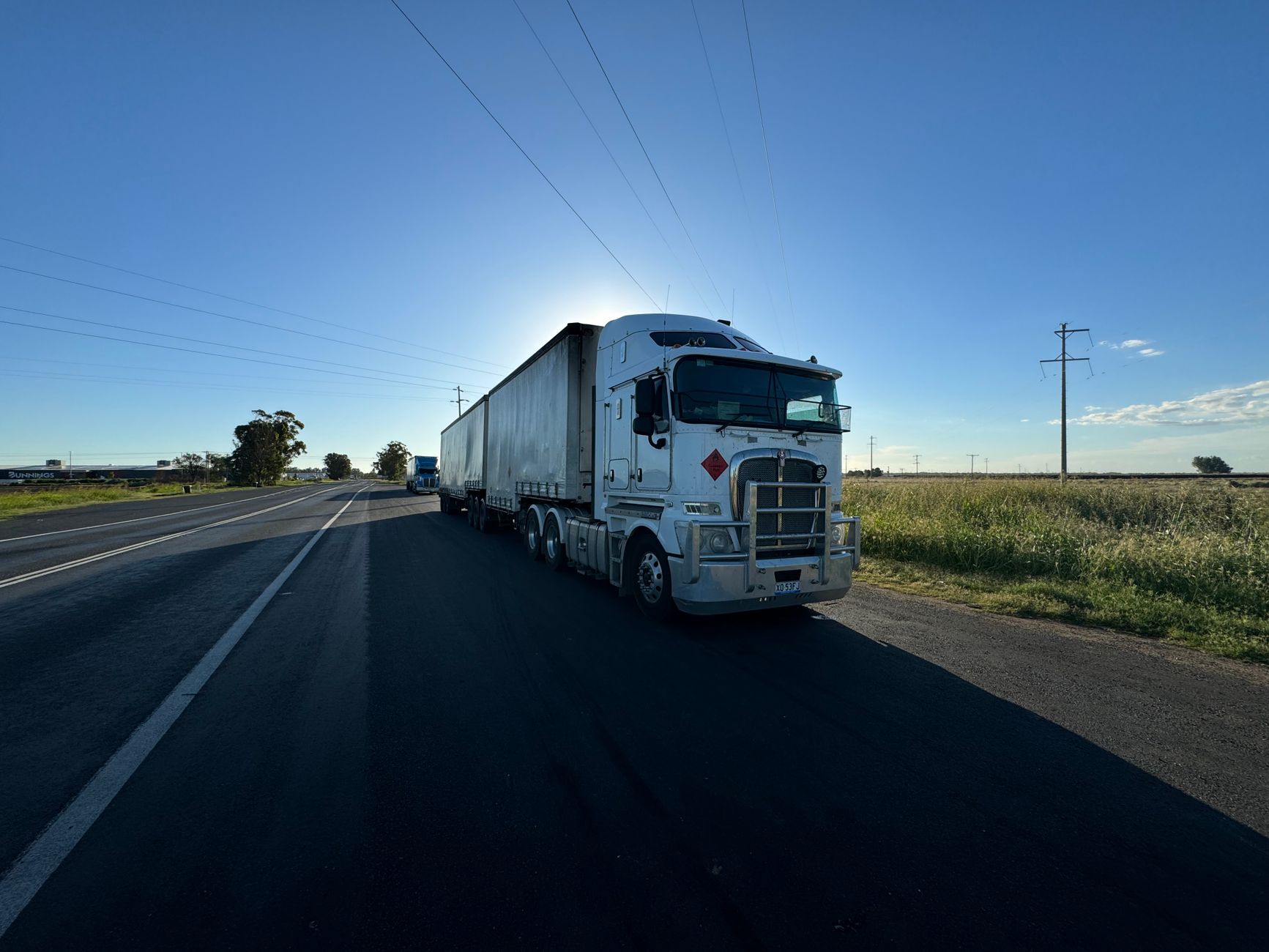
a major home-appliance manufacturer operating a factory and warehouse in Selmer, Tennessee
How a Tennessee Appliance Plant Cut Dock Loading Time 80% With Slip AMRs
A Tennessee appliance plant cut dock loading time 80% by linking AI dock triggers, an autonomous electric truck, and loading AMRs on up to seven daily shuttles.
- 80%
- Faster loading
- 7/day
- Daily shuttles
- 4 days
- Weekly schedule
- 0
- Tailpipe emissions
Based on a documented real-world deployment. Figures are from public reporting; the organization is not named.
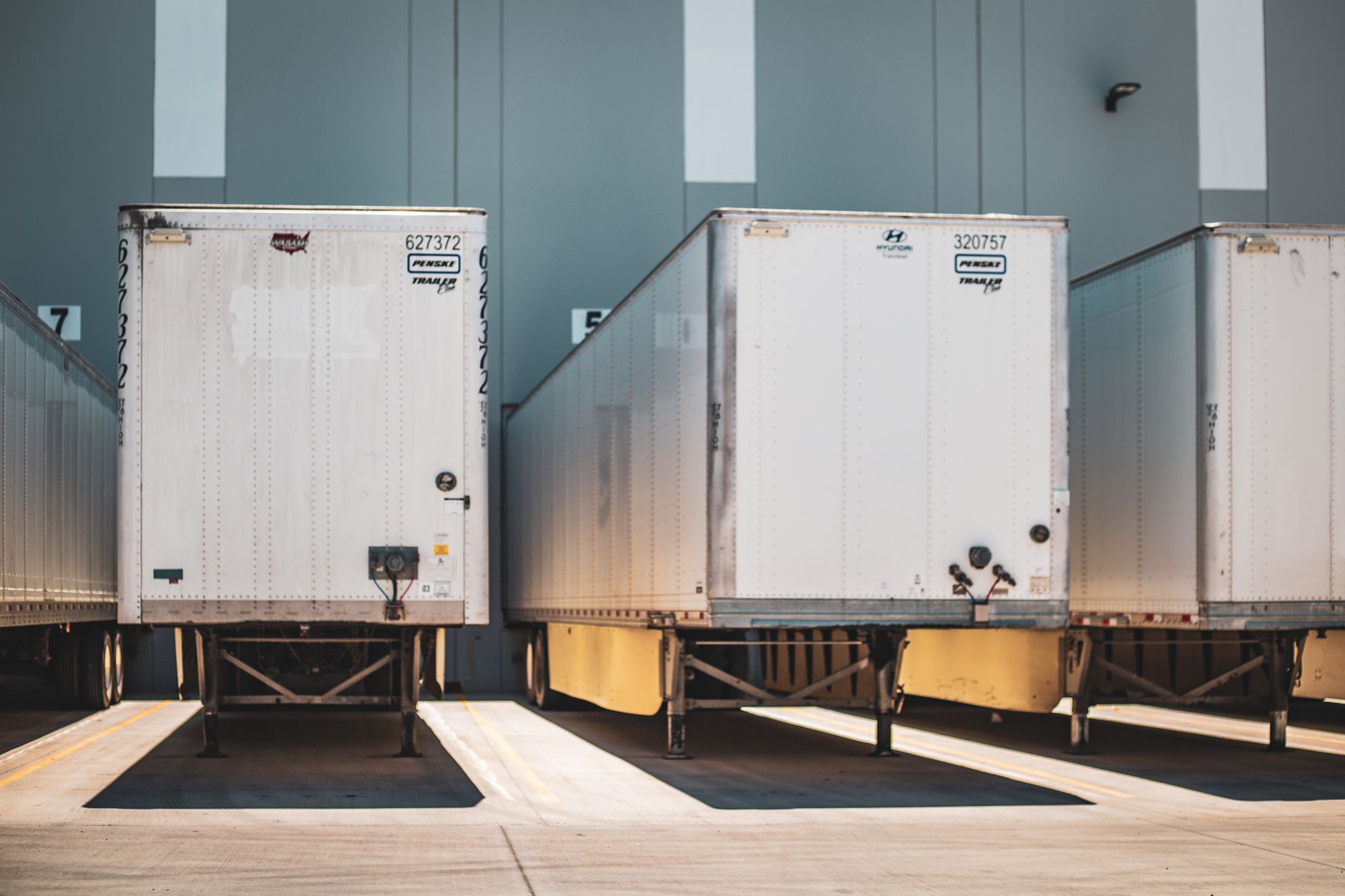
Heavy finished goods and tight dock windows
A major home-appliance manufacturer operating a factory and warehouse in Selmer, Tennessee moves finished air conditioners and refrigerators from assembly to storage on a steady cadence. Each transfer depends on dock doors, plates, and manual loading discipline staying in sync.
Leaders wanted faster turns at the dock without asking teams to rush lifts that already strain ergonomics. They also needed a flow that could scale to multiple shuttles per day without adding headcount at the loading face.
- Repeated loading and unloading between plant and warehouse
- Safety and ergonomics pressure at active dock doors
- Need for predictable timing across several daily moves
Interoperable dock automation with phased shuttles
Public reporting describes an interoperability project that links AI-enabled dock cameras to building controls. The cameras signal when to raise doors, position the dock plate, and lock an autonomous electric yard truck in place before a dock-loading AMR is cleared to load or unload.
The electric loading AMR handles the physical transfer into and out of the trailer while a remote operator monitors the autonomous truck on site. Finished goods move Monday through Thursday on a schedule that supports up to seven shuttles per day between the manufacturing facility and warehouse.
- Camera triggers coordinate doors, plates, and vehicle lock-in
- Autonomous electric truck runs the lane between buildings
- Dock-loading AMR performs load and unload cycles
- Private wireless supports vehicle-to-operator communication
Measured dock performance
The documented outcome is an 80% reduction in loading time compared with the prior manual process, according to the manufacturer's 2023 press materials on the Selmer deployment.
Operations leaders also cite improved ergonomics and safety around the dock because the AMR takes on repetitive loading motion. The shuttle pattern runs with zero tailpipe emissions from the autonomous electric truck during those moves.
What operators can take from this pattern
This example shows how dock automation, yard mobility, and loading AMRs can be staged as one workflow rather than three separate projects. Service Robot Co. helps US businesses select OEM-neutral robots, then finance, deploy, integrate, train, and service them through a nationwide engineer network.
We did not run this specific Selmer program. The lesson for your site is to map camera triggers, door logic, and AMR paths early, then pilot one lane before expanding shuttle frequency.