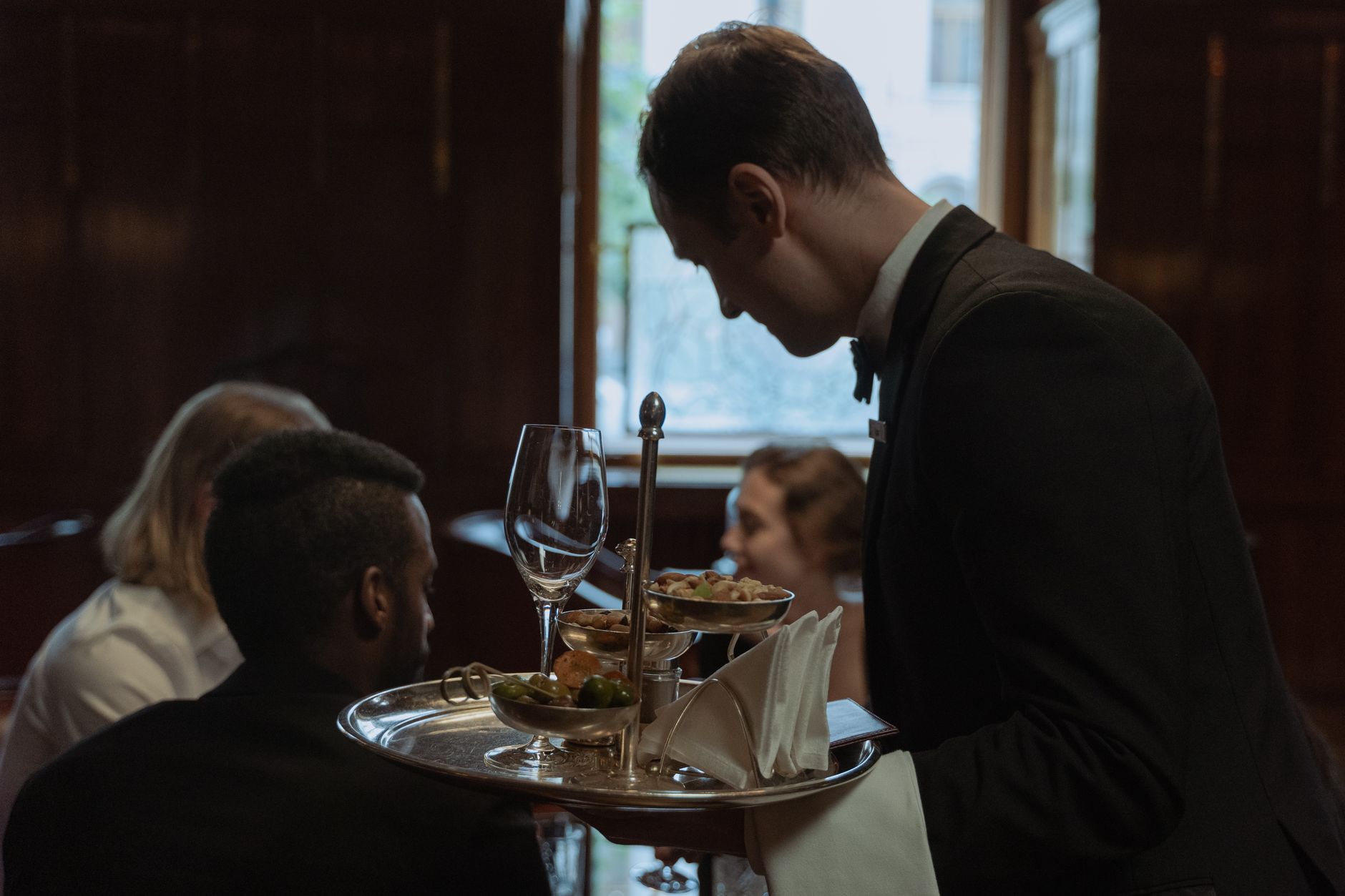
a single-unit teppanyaki restaurant in a regional city
Teppanyaki Restaurant Case Study: About 130 Hours Reallocated
A documented teppanyaki restaurant deployment shows how a tray delivery robot took on 180-plus floor runs and cut staff burden by about 130 hours a month.
- 130 hrs/mo
- staff load reduced
- 180+ runs
- max trips handled
- 30 to 40
- dishes per table
- 80 cm
- documented aisle width
Based on a documented real-world deployment. Figures are from public reporting; the organization is not named.
Where the Service Pressure Built
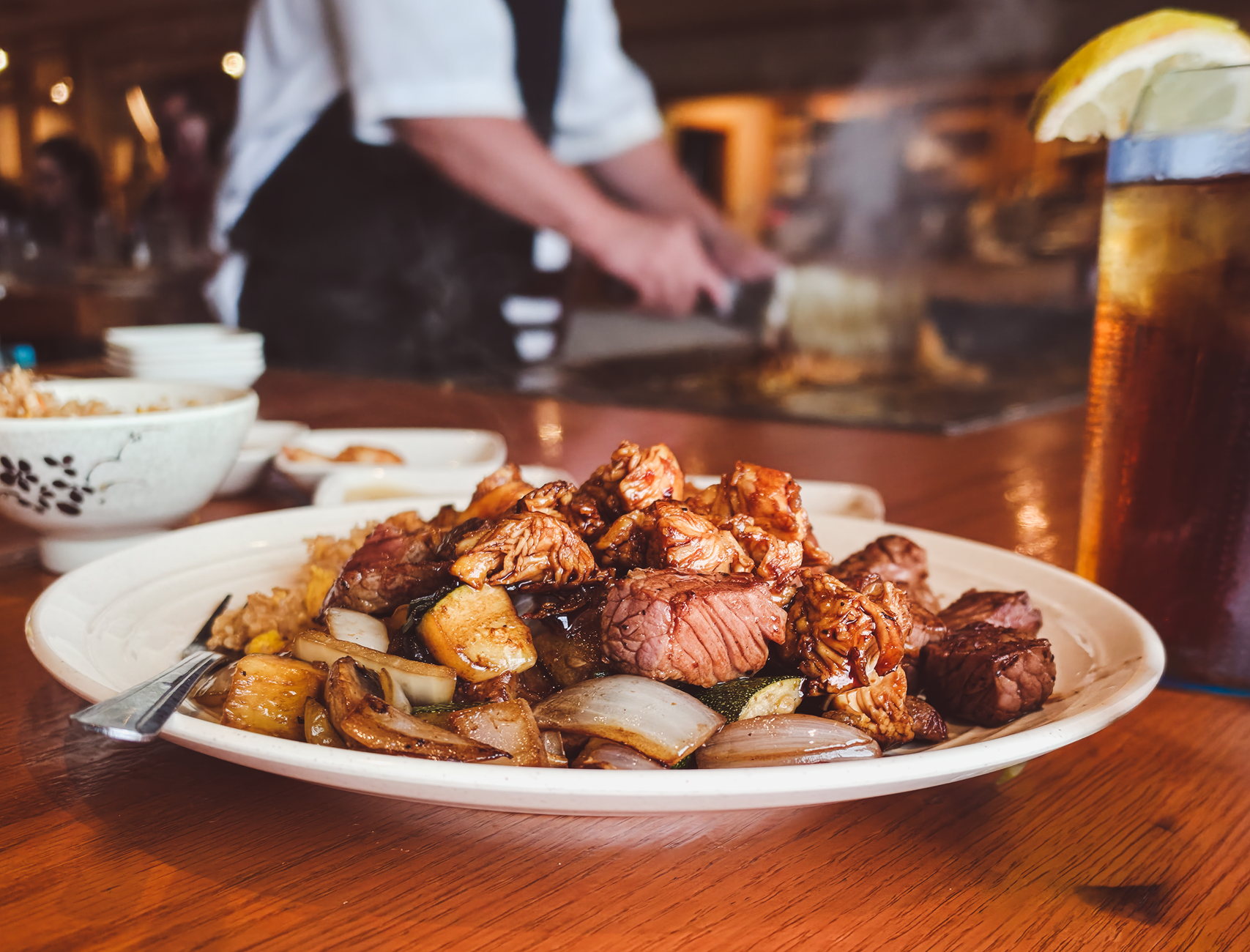
This documented example centers on a smaller full-service restaurant that suddenly needed more contactless service without dulling the attentiveness of table service. The workload was heavy by nature. All-you-can-eat tables could generate about 30 to 40 dish orders per table, which makes transport work a constant drag on the floor.
The room layout added another constraint. The source describes aisle widths of about 80 centimeters, narrow enough that awkward movement would quickly become a service problem. The restaurant did not need theater. It needed reliable help with repetitive carrying and clearing inside a live dining room.
- Contactless service became a more urgent operating requirement
- Busy tables could produce about 30 to 40 dish orders each
- Aisles of about 80 centimeters left little room for clumsy traffic
How the Robot Was Brought In
The documented rollout was measured rather than impulsive. Management began reviewing tray delivery robots in December 2020, ran a demo, and then moved into regular deployment in April. That matters because it shows a small restaurant testing fit before folding the robot into daily service.
Selection turned on floor performance, not novelty. The published reasons were obstacle avoidance and smooth movement through tight passageways. In a dining room with about 80 centimeters of aisle width, that is not a minor feature set. It is the difference between adoption and frustration.
- Start evaluation in December 2020
- Run a demo before regular deployment
- Choose for obstacle avoidance and stable travel in tight aisles
What the Restaurant Actually Gained
In normal operations, the robot handled a maximum of more than 180 delivery and clearing trips. The labor story is the headline and it is unusually clean. The source reports about 130 staff hours reduced per month, which is meaningful reallocation for one dining room rather than a thin percentage spread across many sites.
The hours did not simply vanish into a spreadsheet. The source says staff could spend more of their time on the observation and guest care that only people can provide, while the physical burden of repeated carrying fell. Management also described the robot as especially useful when the shift felt short by about 0.5 person.
Why This Matters to U.S. Restaurant Operators
This is the part many operators miss. A restaurant delivery robot lease does not need to begin as a chain program to make sense. In a single dining room, a food running robot or server assistant robot can take over the back-and-forth that blunts hospitality, especially when order volume arrives in waves and the guest experience still depends on human attention.
Service Robot Co. is built around that operating reality as a vendor neutral robot integrator for U.S. businesses. For restaurants weighing service robot leasing, robot leasing monthly, purchase or lease, or a restaurant busser robot lease, we help select the right unit, handle robot deployment and integration, site assessment mapping, go live support, training, financing, and ongoing service through one accountable partner.