a tertiary hospital running high-volume medication and specimen deliveries
How a Tertiary Hospital Cut Drug and Specimen Delivery Time About One-Third With AMRs
A published hospital study compared ten delivery AMRs with manual couriers and reported about 32–36% faster drug and specimen runs, with full verification accuracy over six months.
- ~34%
- time cut
- 10
- AMRs
- 7.3x
- more trips
- 100%
- accuracy
Based on a documented real-world deployment. Figures are from public reporting; the organization is not named.
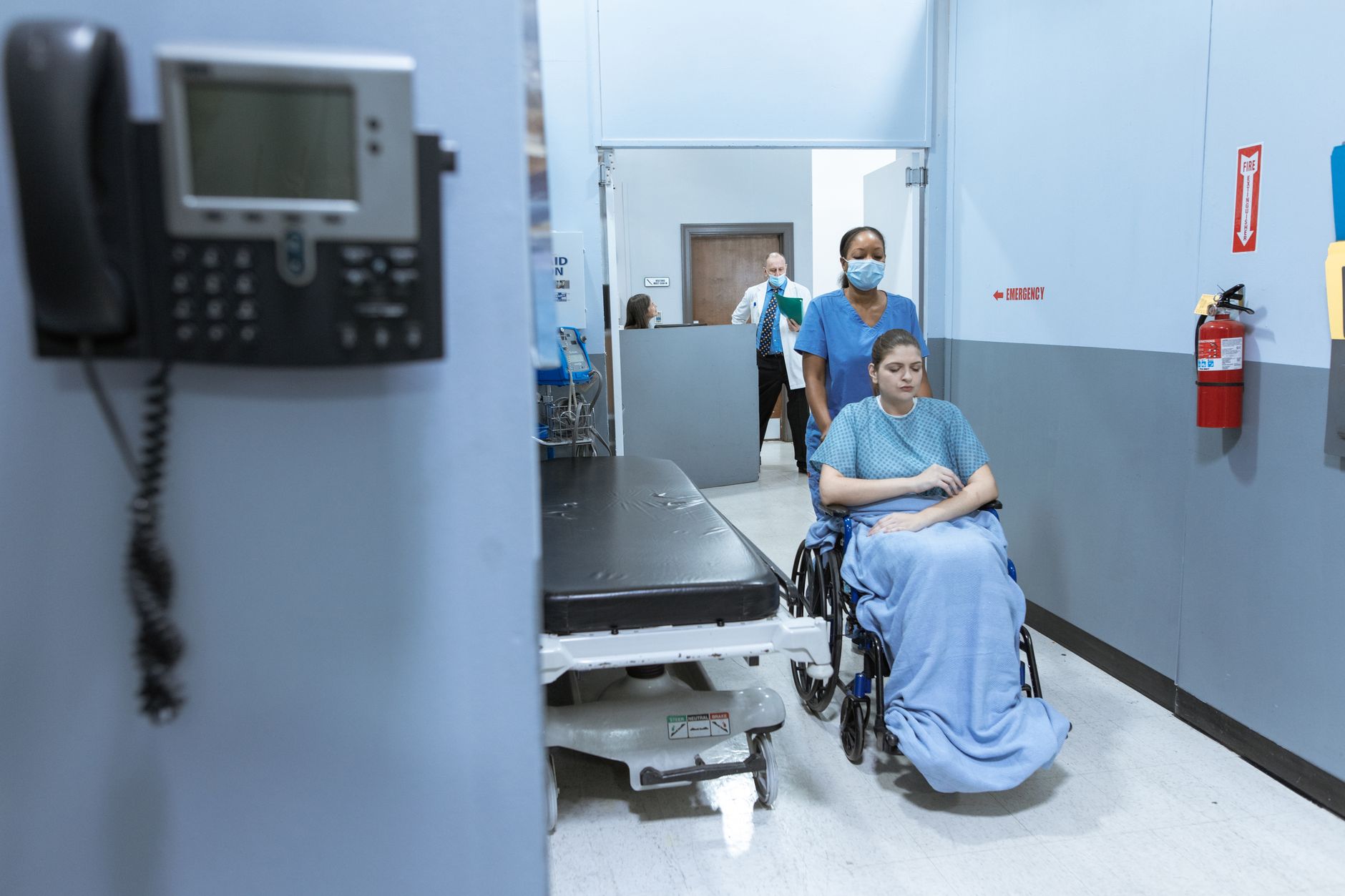
Manual couriers could not keep pace
This tertiary hospital moves medications and specimens across busy inpatient units where missed handoffs create clinical risk. Manual couriers covered the routes but struggled to keep delivery windows tight during peak shifts.
Leadership wanted measurable speed gains without sacrificing chain-of-custody checks or nurse satisfaction on the floors.
- Drug and specimen runs stacked up at peak hours
- Nineteen manual couriers still left gaps in coverage
- Verification errors and omissions carried patient risk
- Need six-month evidence before scaling fleet-wide
Ten-robot fleet with centralized dispatch
The hospital deployed ten autonomous mobile robots coordinated through hierarchical path planning and a multi-robot queueing model. Robots handled repeatable corridor runs while staff supervised exceptions and high-priority handoffs.
Researchers ran a six-month parallel study comparing robot and manual delivery on the same routes, tracking time, accuracy, and satisfaction scores.
- Map global paths and local navigation per unit
- Coordinate ten robots through a central queue
- Keep nurses on patient care instead of running halls
- Measure omission rates and satisfaction monthly
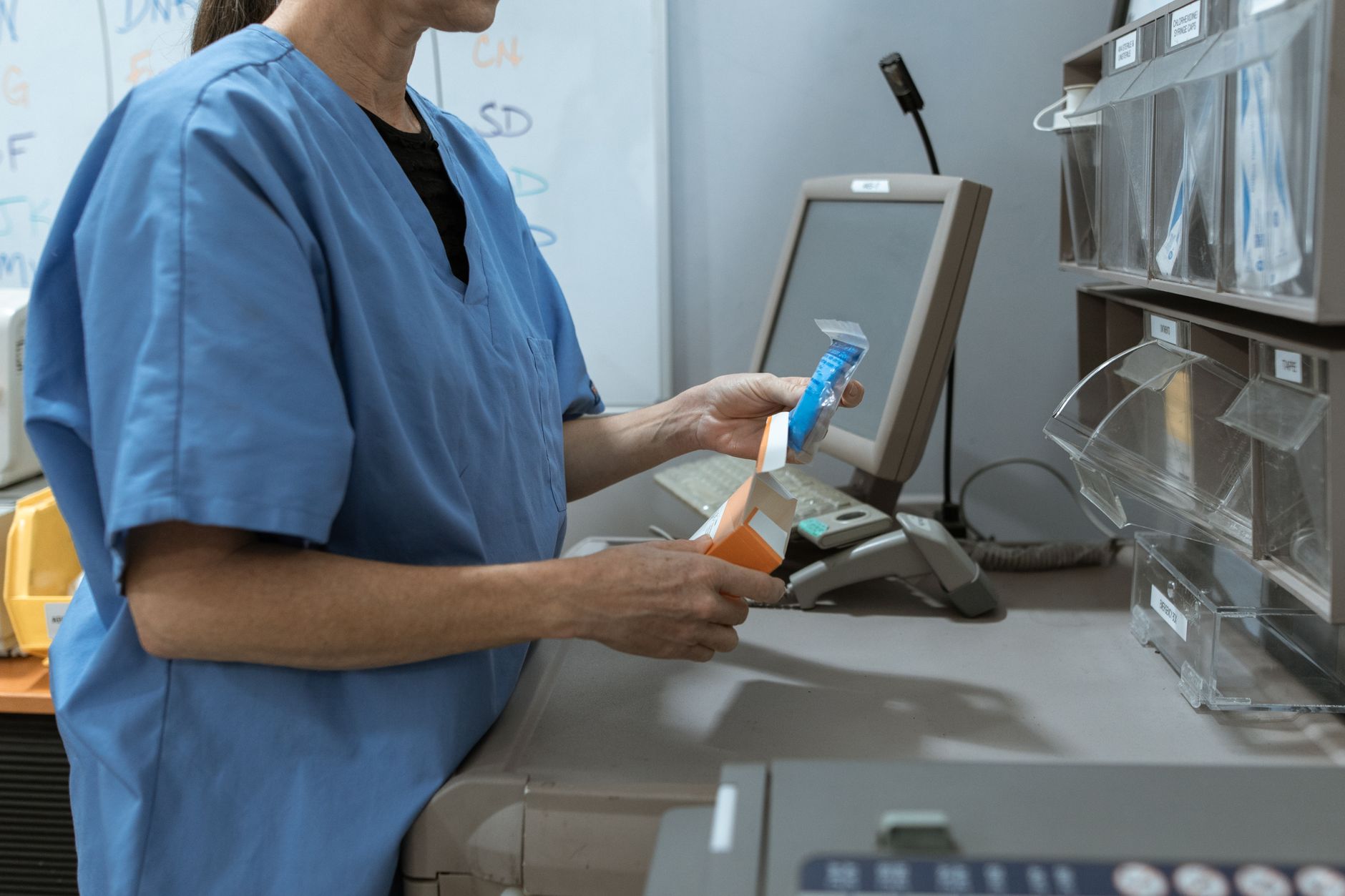
About one-third faster deliveries
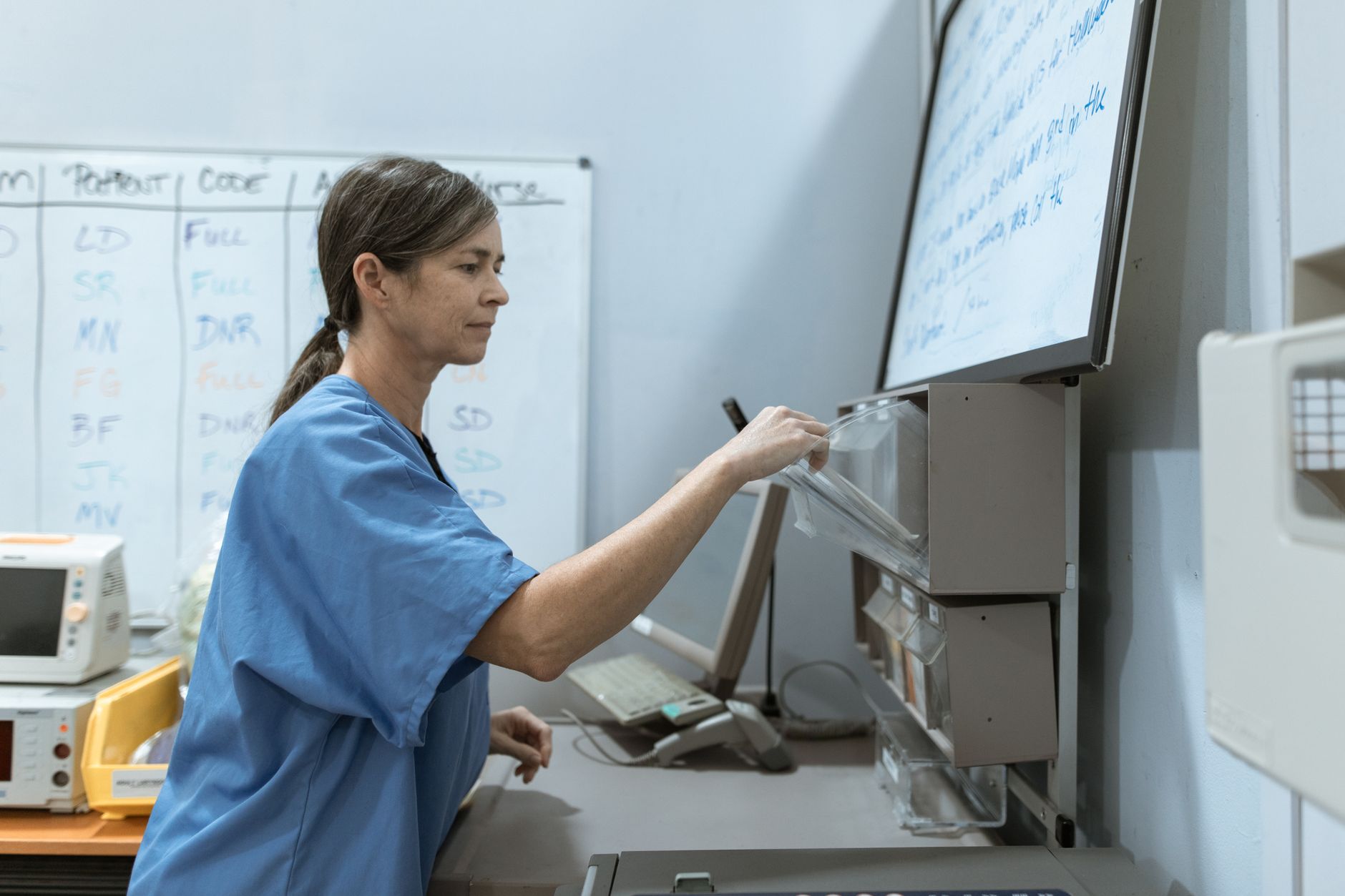
Published results report delivery times fell about thirty-two to thirty-six percent versus manual couriers, with statistically significant gains on both primary routes studied.
The ten-robot fleet completed about seven times more delivery trips than the nineteen-person manual team over the same period, with one hundred percent verification accuracy and lower omission rates.
What hospital operators can copy

This account documents an academic hospital logistics study, not a Service Robot Co. customer story. It still shows how a vendor-neutral integrator should pilot hospital delivery robot rental on one pharmacy loop, measure minutes saved for ninety days, then expand to specimen runs.
Service Robot Co. selects AMR platforms, runs site assessments, and supports medication transport robot programs with a nationwide network of regional service engineers on one contract.