a large tertiary acute-care hospital with pharmacy-to-ward and ward-to-lab specimen loops
How a Tertiary Hospital Cut Drug and Specimen Delivery Times 36% With Mobile Robots
A six-month hospital study compared manual couriers with a 10-robot fleet on scheduled drug and specimen routes, cutting delivery times up to 36% with full verification accuracy.
- 36%
- faster runs
- 7.3x
- more trips
- 100%
- verified
- 10
- AMR fleet
Based on a documented real-world deployment. Figures are from public reporting; the organization is not named.
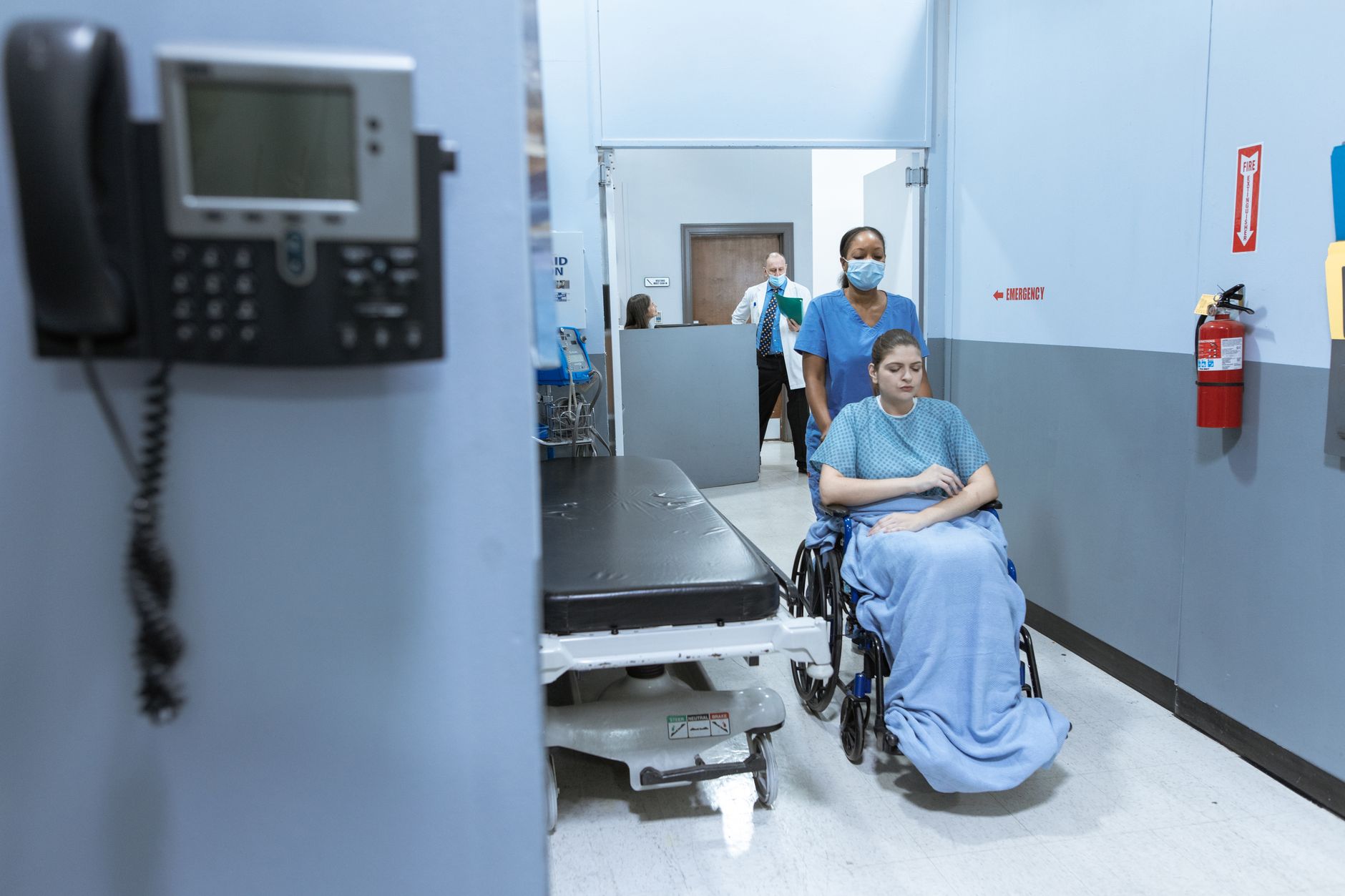
When couriers own the clock
Intra-hospital logistics is the quiet backbone of acute care. Drugs, specimens, sterile supplies, and consumables still move on foot through elevators, corridors, and busy nursing stations.
At a large tertiary acute-care hospital with pharmacy-to-ward and ward-to-lab specimen loops, manual delivery tied skilled staff to repeat routes. Peak-hour elevator waits, handoff errors, and recruiting pressure on logistics roles made timeliness hard to hold steady across shifts.
- Scheduled pharmacy-to-ward medication loops competed with ward-to-laboratory specimen runs
- Manual couriers faced peak-hour bottlenecks and verification risk on every handoff
- Leadership needed measurable gains without rebuilding the entire physical plant
A measured fleet on familiar routes
Researchers ran a six-month parallel study from June through November 2025, comparing routine manual delivery with a fleet of ten autonomous mobile robots on the same origin-and-destination pairs during standard working hours.
The robots used coordinated path planning and elevator-aware dispatch so routes stayed comparable to the human baseline. Tasks stayed inside scheduled drug and specimen workflows, excluding emergency runs that would skew timing data.
- Ten mobile robots covered pharmacy-to-ward and ward-to-lab specimen corridors
- Parallel observation kept routes, distances, and shift windows aligned between groups
- Verification steps stayed in the loop so nurses could trust each arrival
Faster runs, higher throughput, cleaner handoffs

Robot delivery cut end-to-end time by 32% to 36% versus manual couriers, a statistically significant gap across the study window. The robot group logged 100% verification accuracy and item integrity, with a lower omission rate than manual runs.
Capacity moved even more than speed. The ten-robot fleet completed 7.3 times more delivery trips than a 19-person manual team over the same six months. Nurse and patient satisfaction scores were also higher in the robot group.
What hospital operators can borrow from the data

This was not a Service Robot Co. deployment. It is a published example of what disciplined hospital delivery robot rental or autonomous mobile robot programs can look like when routes are repetitive and verification matters.
For US health systems weighing a pilot, the lesson is operational: map the loops that burn licensed time, phase in a small fleet on those corridors, and measure time, accuracy, and trip volume before you scale. Service Robot Co. selects OEM-neutral hardware, finances purchase or monthly lease paths, integrates elevator and dispatch workflows, trains staff, and backs the fleet through a nationwide service network so one partner owns the full lifecycle.