
a tertiary acute-care hospital running internal drug and specimen logistics
How a Tertiary Hospital Completed 7.3× More Drug and Specimen Runs With AMRs
A six-month hospital study logged 7.3× more delivery trips, 32% to 36% faster runs, and 100% verification accuracy with a 10-robot internal logistics fleet.
- 7.3×
- more trips
- 32-36%
- faster runs
- 100%
- verify accuracy
- 10
- robot fleet
Based on a documented real-world deployment. Figures are from public reporting; the organization is not named.
Internal runs that never scale with census
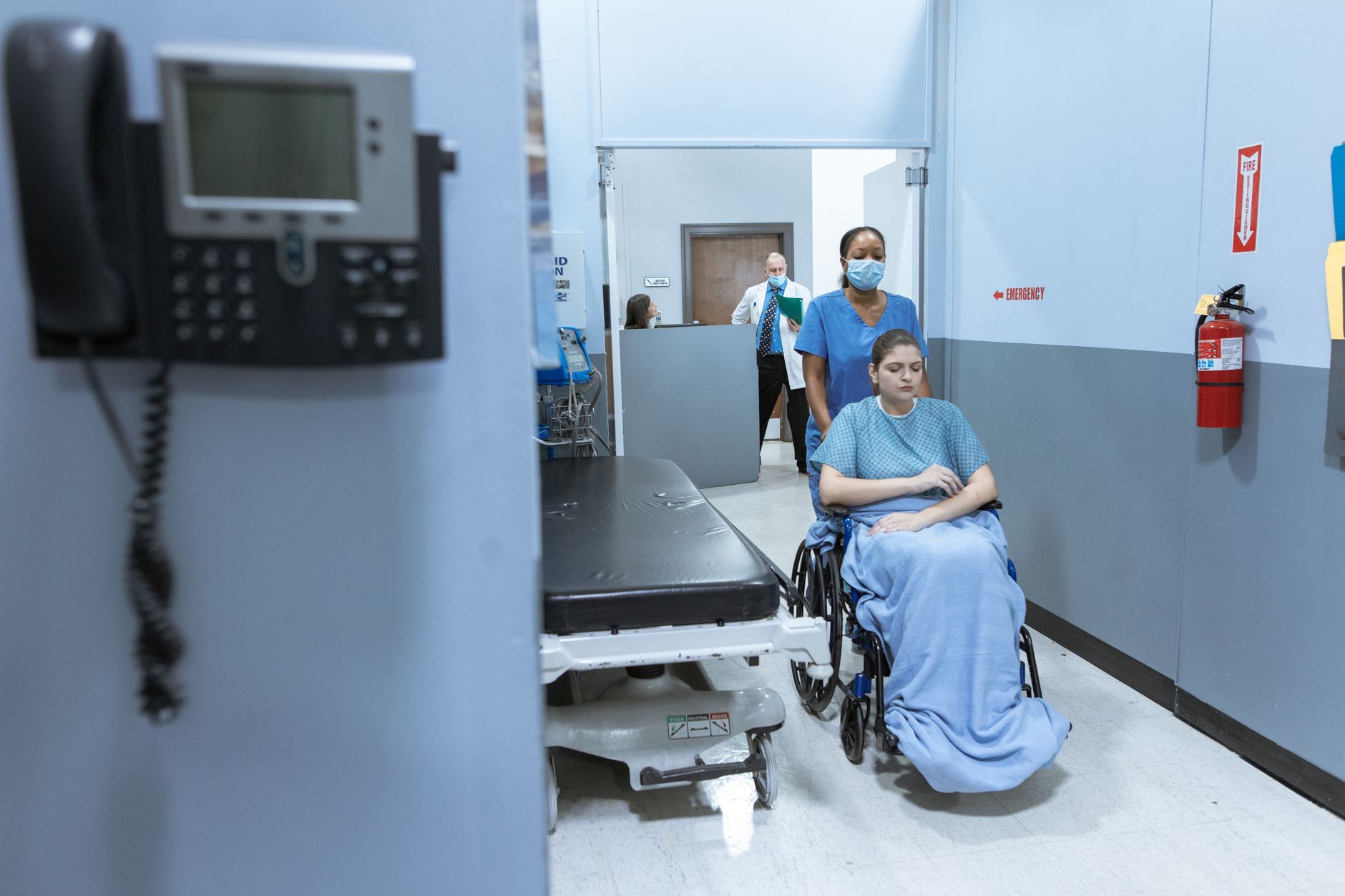
A tertiary acute-care hospital running internal drug and specimen logistics faced the same pressure many large campuses feel. Pharmacy, ward, and laboratory couriers share elevators, narrow corridors, and peak-hour demand that spikes without warning.
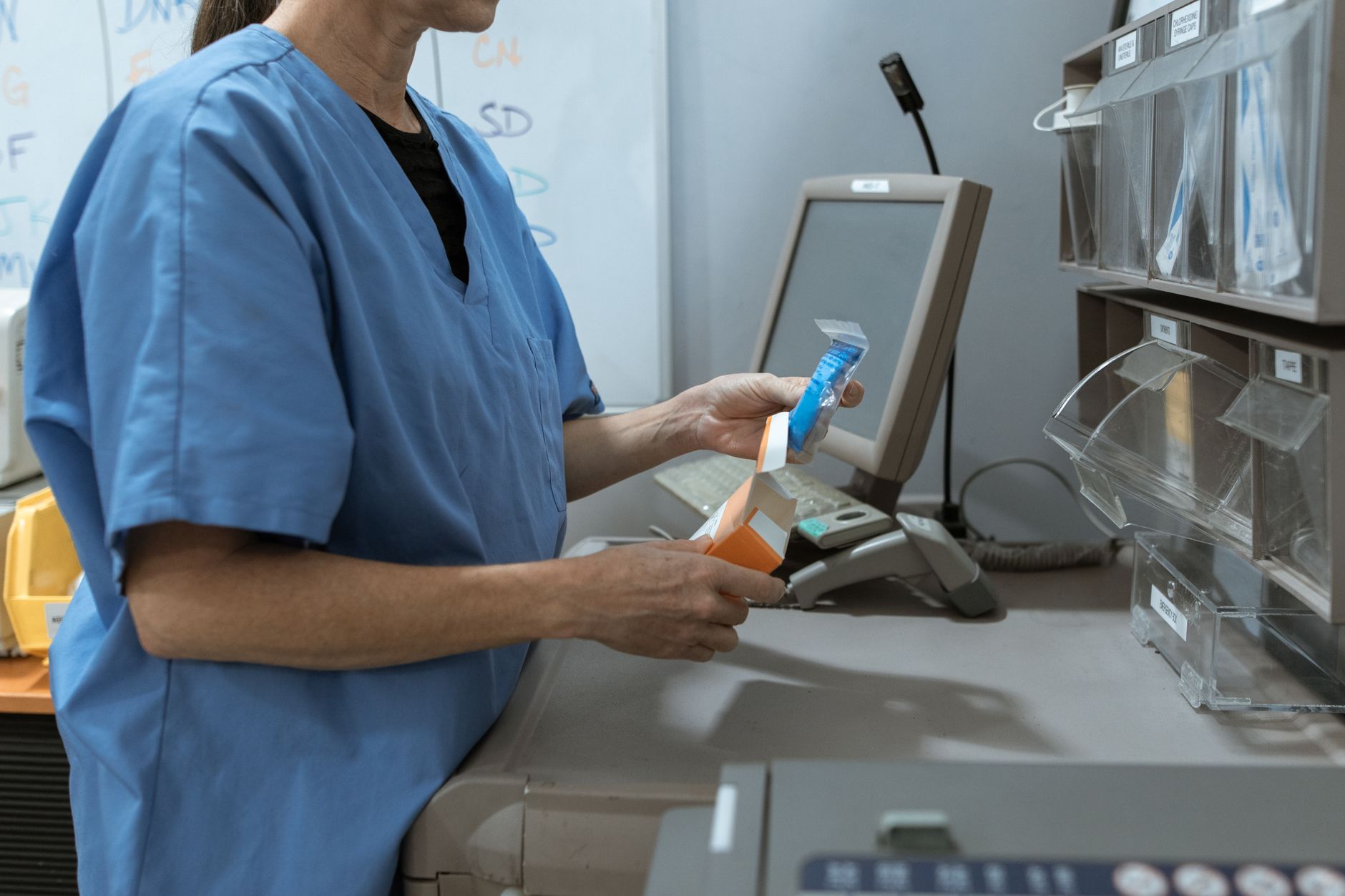
Nineteen staff members handled scheduled drug and specimen runs during standard hours, yet turnaround still stretched when multiple units called at once. Manual handoffs also carried traceability risk on high-stakes items where a missed verification step is never acceptable.
- Peak-hour queueing at elevators and busy nursing stations
- Recruitment friction for repetitive transport roles
- Verification and omission risk on manual runs
A parallel fleet on the same routes
Researchers ran a six-month parallel controlled study from June through November 2025. One group kept manual couriers on identical pharmacy-to-ward and ward-to-laboratory routes while a 10-robot autonomous mobile fleet handled the robot arm of the trial.
The fleet used track-free navigation, RFID identity checks at pickup and delivery, and elevator coordination so cross-floor runs stayed on schedule. Dispatch software allocated tasks across robots to balance load instead of letting one corridor become a bottleneck.
- Matched origin and destination pairs for both groups
- Routine scheduled runs inside standard working hours only
- RFID verification before items leave or arrive
- Multi-robot scheduling across shared elevators and corridors
Measured gains on speed, volume, and accuracy
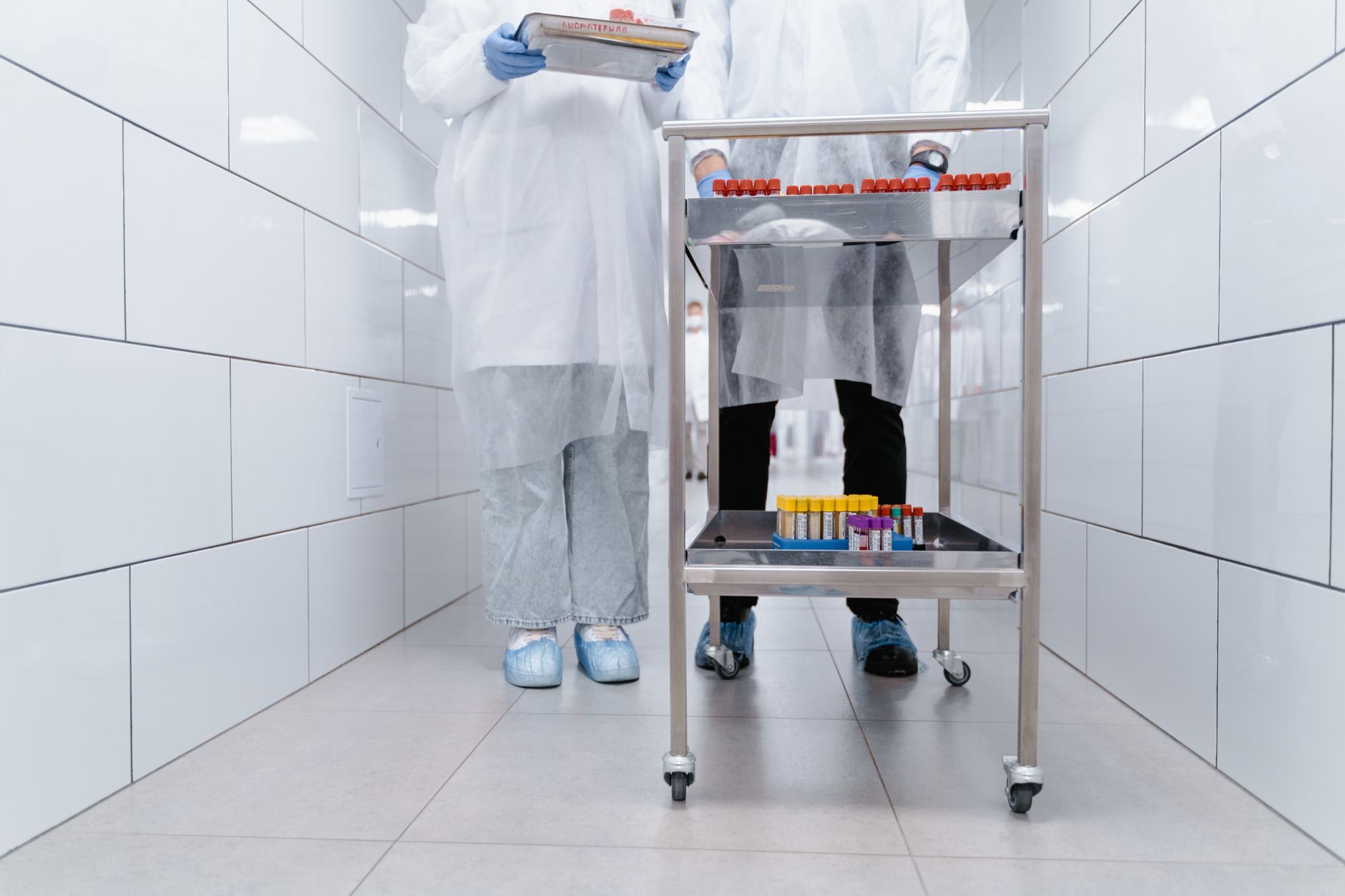
Robot deliveries cut trip time about 32% to 36% on the study routes, a statistically significant gap versus manual couriers. Verification accuracy and item integrity both reached 100% in the robot group, with a lower omission rate than manual handling.
Over six months the 10-robot fleet completed 7.3 times more delivery trips than the 19-person manual team on the same workload definition. Nurse and patient satisfaction scores were also higher in the robot group across the trial window.
What hospital operators can take from the data
This documented deployment is not a Service Robot Co. customer story. It is a published real-world benchmark for what hospital delivery robot rental and autonomous mobile robot programs can deliver when routes are mapped, verified, and staffed with maintenance behind them.
Service Robot Co. helps U.S. hospitals pilot medication transport robot workflows through vendor-neutral selection, financing, site assessment mapping, go live support, and nationwide service. A free site assessment can show whether pharmacy, lab, or supply loops fit a phased hospital delivery robot rental before you scale past one corridor.