
a Texas university campus grounds team
A Texas University Grounds Team Estimates 100 Labor Hours Saved With a Robotic Mower
A Texas university campus grounds team estimates about 100 labor hours saved a year with a robotic mower, hours redirected to other campus areas.
Deployment at a glance
- 100 hrs
- Labor hours saved per year, a team estimate
- Quiet
- Noise matters where mowing is limited during classes
- Other areas
- Freed crew hours redirected to other parts of campus
Based on a documented real-world deployment. Figures are from public reporting; the organization is not named.
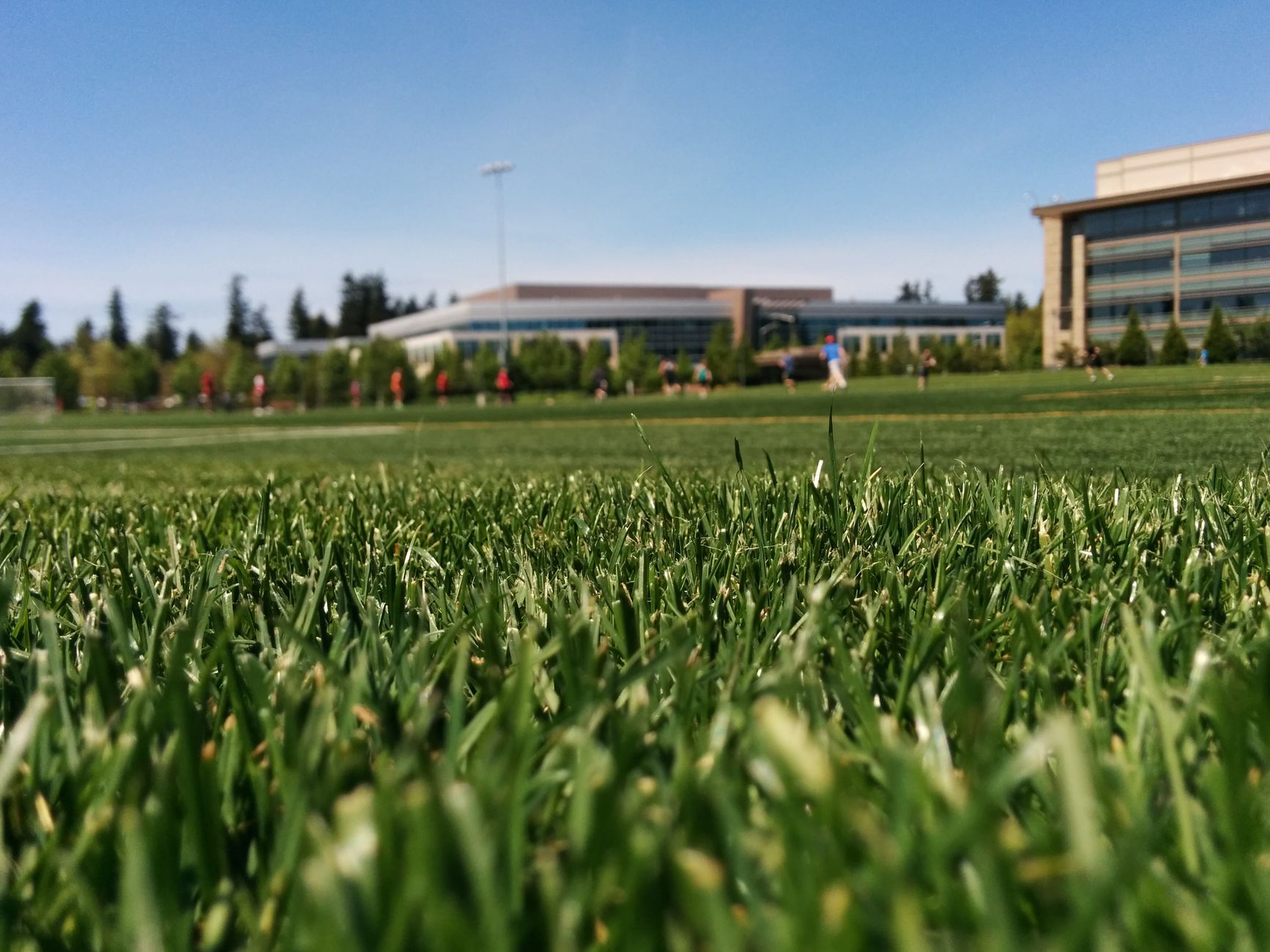
Mowing a campus while classes are in session
Campus grounds are not open acreage. Lawns sit between lecture halls and walkways, and the people crossing them are students and staff moving between classes, which turns every mowing pass into a small logistics problem.
Campus rules can restrict mowing while classes are in session. A conventional mower is loud enough that running it through the school day becomes hard to justify, so the mowing window shrinks to quieter hours.
For a lean grounds crew, routine cutting absorbs hours that could go to pruning, repairs or other areas of campus. The task was to keep turf maintained without pulling people off the rest of the grounds.
- Mowing restricted while classes are in session
- Routine cutting absorbs crew hours
- Noise limits the hours a conventional mower can run
A quiet robotic mower on routine cutting
The team put a robotic mower to work on its grounds. Quiet operation was the quality that mattered most, because campus restrictions on mowing during classes made noise the deciding factor.
Once the mower took over routine cutting, crew time moved to other parts of campus, and the mower's work fit around the school day.
- Robotic mower takes over routine cutting
- Quiet running keeps work within class time limits
- Hours freed are redirected to other campus areas
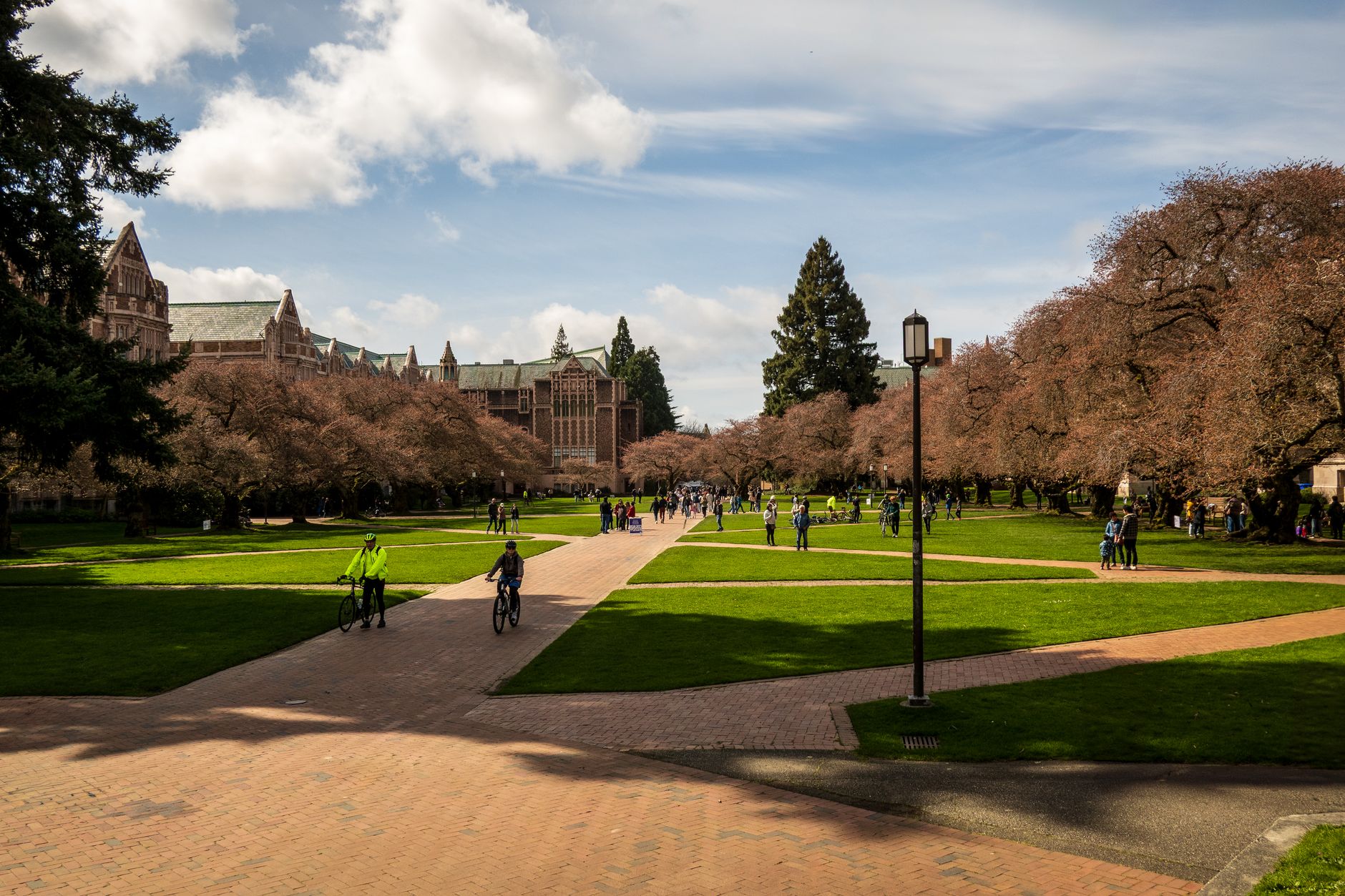
About 100 labor hours a year, by the team's estimate
The team estimates that the robotic mower saves about 100 labor hours per year. Those hours are redirected to other areas of campus, which is where the benefit lands for a small crew.
This is the team's estimate, so it works best as a working figure. A grounds manager weighing a similar mower should log the routine mowing hours the crew spends now, then compare that total with the estimate.
Quiet operation adds a benefit that hours alone do not capture. It helps grounds work continue within campus limits on mowing while classes are in session.
Where commercial robot leasing fits a grounds team

Service Robot Co. is a full service, OEM neutral commercial robot integrator for US businesses. We select the right robots across manufacturers, then finance, deploy, integrate, train and service each unit through a nationwide US engineer network, so one vendor covers the whole lifecycle.
Our service robot leasing runs on a three year lease, with one fixed lease figure quoted after a site assessment. For a grounds team weighing a mower, selection, deployment and service sit with one partner, and the lease options can be checked against the hours the crew actually logs.
Frequently asked questions
Want a robot working for you?
Tell us the job and the site. We will recommend the robot, quote the lease, and keep it serviced.