
a large acute-care hospital in south Texas running shared-use mobile robots across environmental services, linen, and supply chain
How a Texas Hospital Shared-Use Robot Completed 16,288 Autonomous Deliveries in One Year
A south Texas hospital shared-use robot logged 16,288 cart deliveries in one award year, showing how pooled hospital AMR queues serve EVS, linen, and supply chain.
- 16,288
- Shared-use deliveries
- Shared
- Award category
- 12 mo
- Award window
- Top tier
- National volume
Based on a documented real-world deployment. Figures are from public reporting; the organization is not named.
Cart miles were split across too many hands
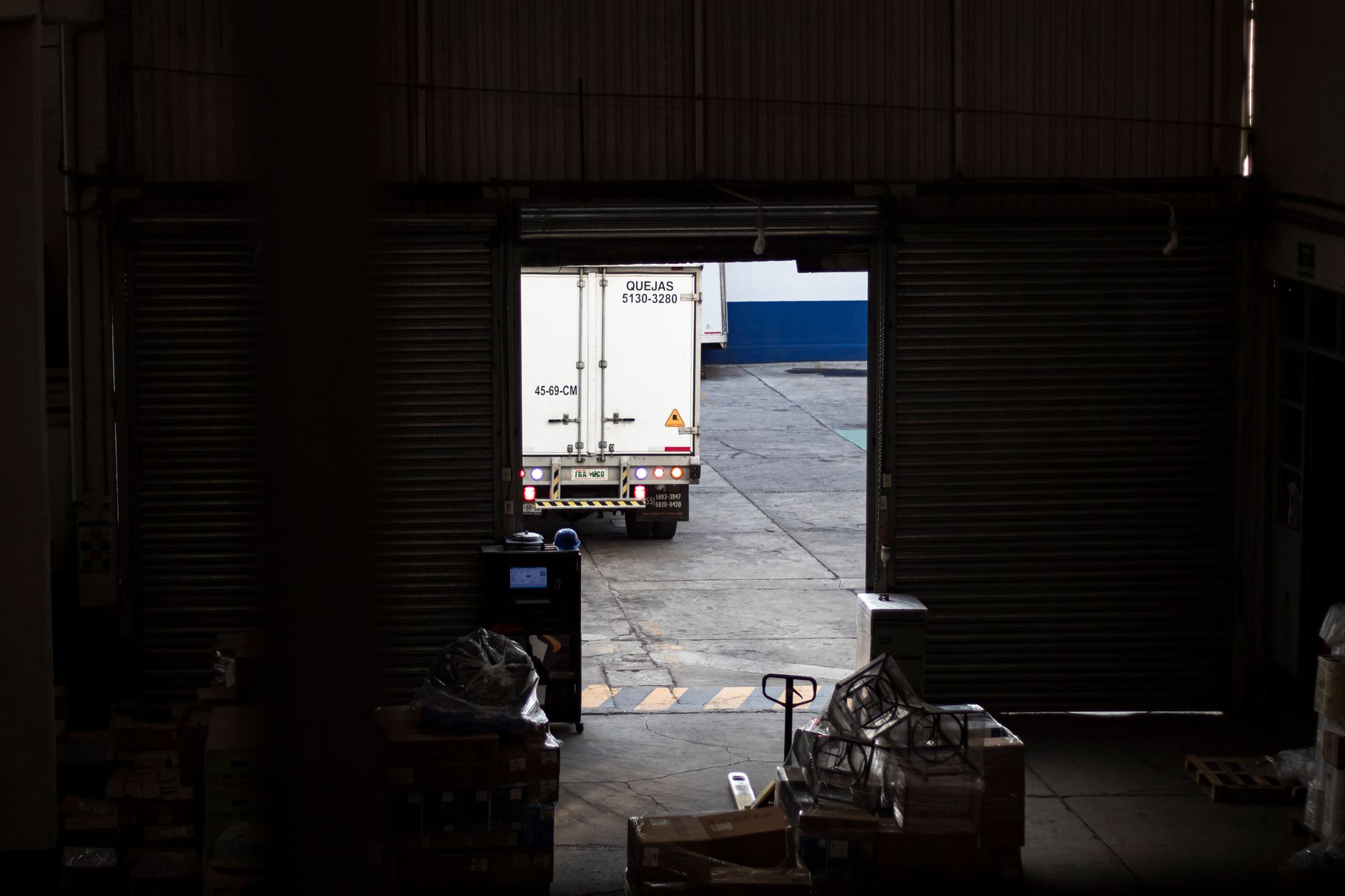
A large acute-care hospital in south Texas moves linens, supplies, trash, and nutrition carts across a million-square-foot footprint. Environmental services, linen, and materials teams were all walking the same corridors without a single queue discipline.
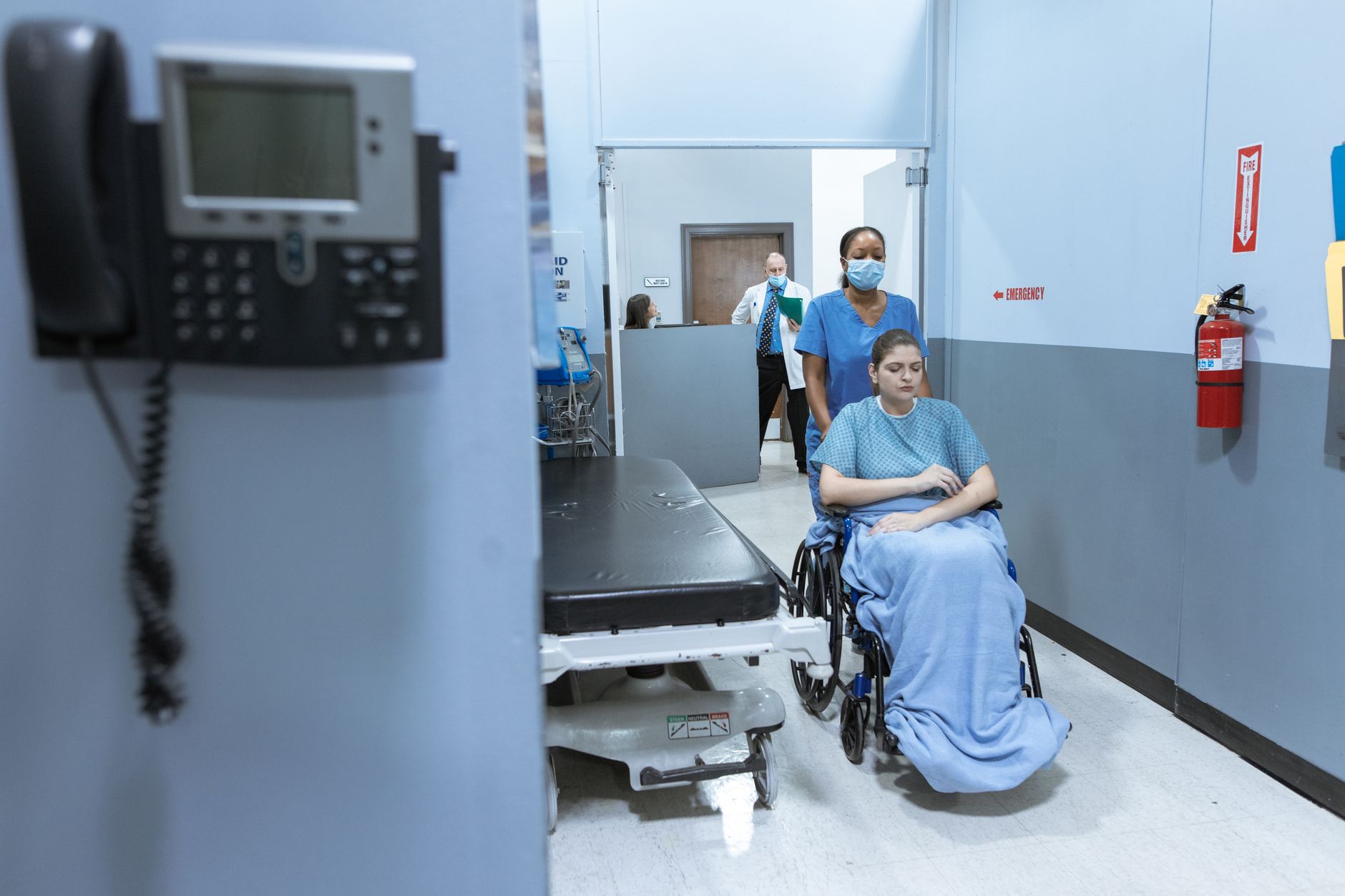
Leadership needed shared mobile capacity that would not belong to one department alone yet still stay busy through nights and weekends.
- Heavy carts between towers and loading docks
- Competing priorities from EVS, linen, and supply chain
- Thin weekend staffing on porter roles
Shared-use queue across support departments
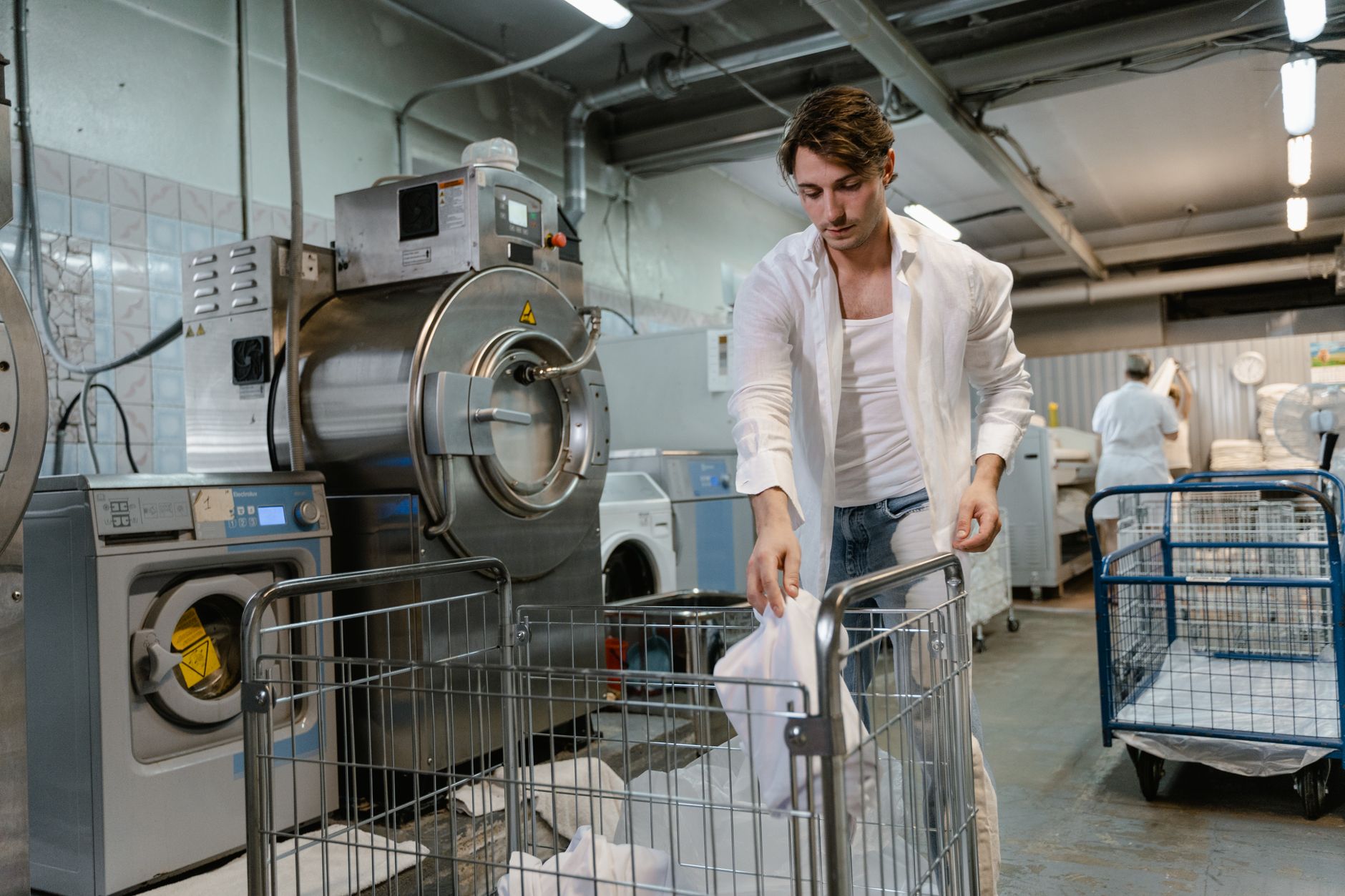
The site ran a shared-use mobile robot category so EVS, linen, and supply chain could feed one supervised queue instead of three informal courier pools. Supervisors scheduled runs while staff trained on handoffs and elevator etiquette.
Utilization was tracked across the June 2023 through May 2024 award window used for national hospital mobile robot scorekeeping.
- Publish one shared queue with named shift owners
- Map sterile and service corridors before peak census
- Review delivery totals monthly by department contributor
Shared robot deliveries ranked among national leaders
In that twelve-month period one shared-use robot logged 16,288 documented deliveries in the award program. That total placed among the top single-robot shared-use results nationally, below laboratory and dietary leaders posting higher counts in their own categories.
The figure shows a pooled queue can stay full when multiple support departments feed it. It gives materials and EVS leaders a benchmark when they compare hospital delivery robot rental or owned shared fleets.

When shared-use beats department silos
Service Robot Co. helps Texas hospitals model shared queues versus single-owner pilots before capital is committed. We stay vendor neutral, offer monthly programs when that fits finance, and deploy with mapping, training, and nationwide maintenance included.
A verified 16,288 delivery year proves corridor capacity exists if supervisors enforce one queue. Start with a free site assessment on your busiest shared loop, then add robots only when trip counts stay stable.