
a regional airport in Texas that mows its turf with a three-mower robotic fleet
A Texas Regional Airport Frees Crew Hours With a Three-Mower Robotic Fleet
A Texas regional airport runs three RTK GPS robotic mowers on its turf, moving crew hours into pavement inspection and safety work. Lease options explained.
Deployment at a glance
- 3
- robotic mowers sharing one airport's turf
- RTK GPS
- satellite guidance positions each mower on the ground
- Crew hours
- redirected to pavement inspection and safety work
Based on a documented real-world deployment. Figures are from public reporting; the organization is not named.
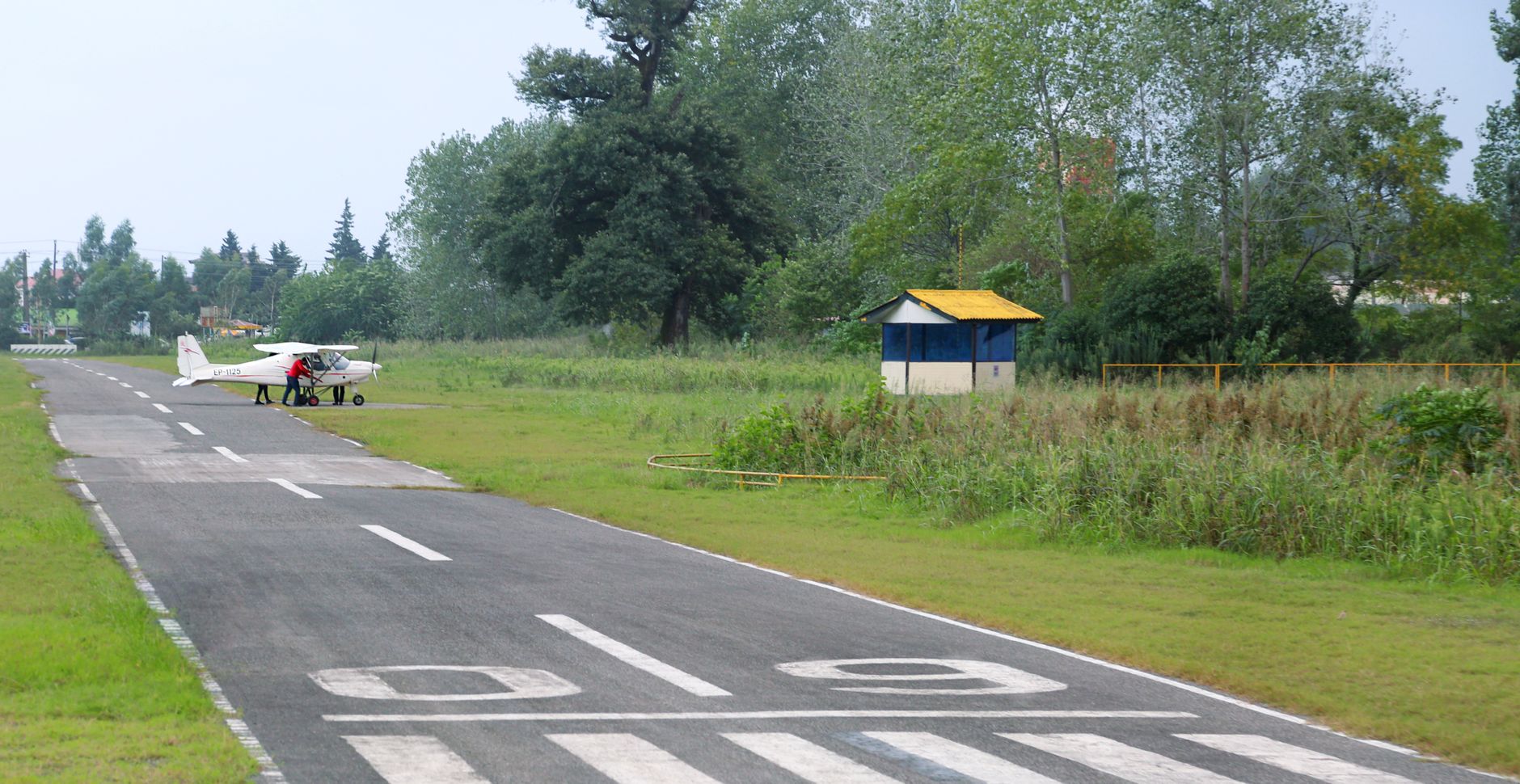
Turf that tied up crew hours
Large turf areas at a regional airport in Texas were drawing steadily on the grounds crew's time. Mowing is necessary work, but on an airfield it competes with everything else that has to be checked and kept safe.
Pavement inspection and safety work depend on people who know the site well. Each hour spent on open turf was an hour not spent walking the pavement looking for the problems that matter most.
- Large turf areas taking a steady share of grounds crew hours
- Pavement inspection and safety work competing for the same people
Three robots on one mowing plan
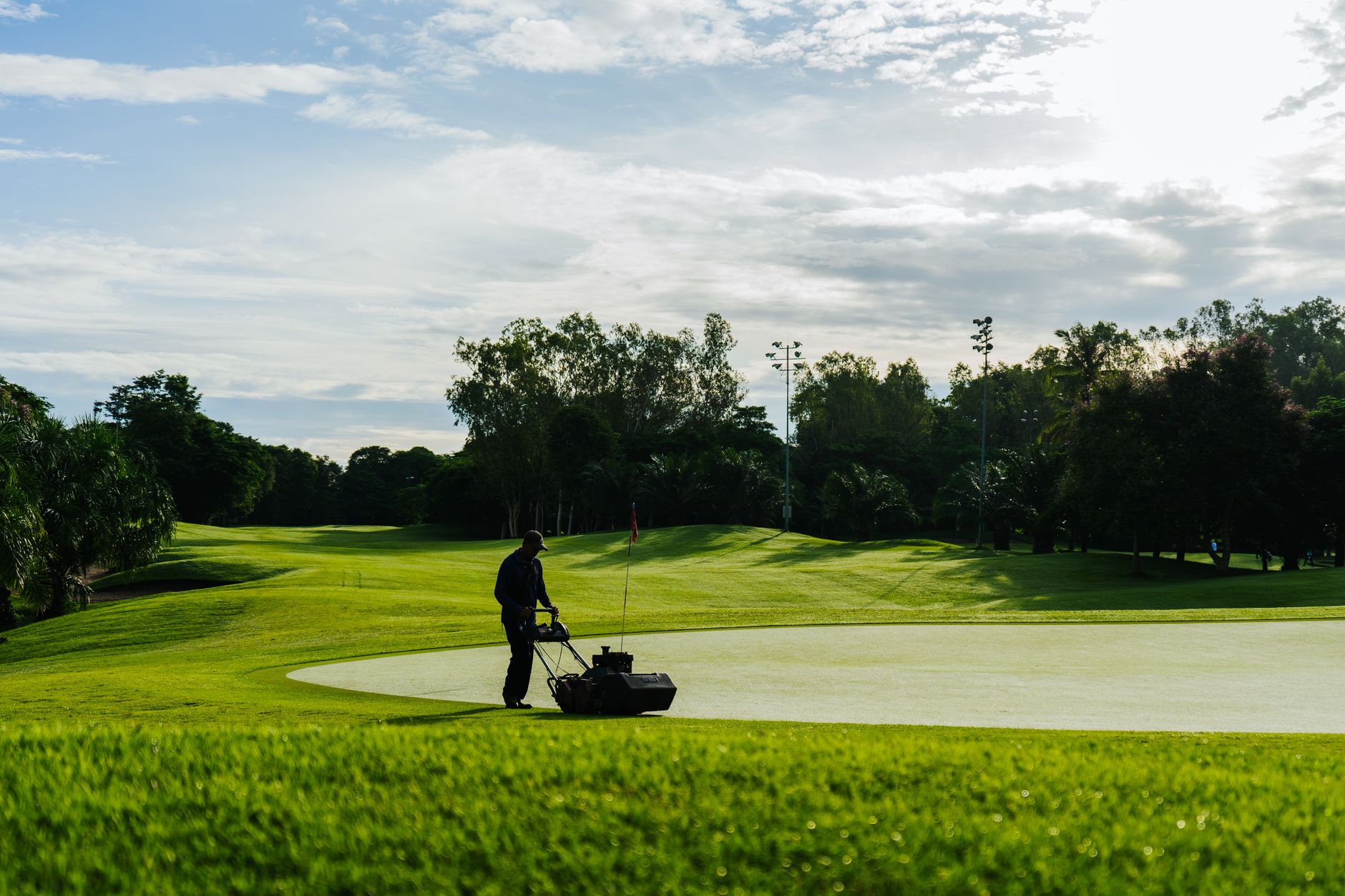
The airport put three RTK GPS-guided robotic mowers on its turf. RTK GPS combines satellite signals with a correction feed to place each unit precisely, which suits large open ground where a driver on every machine would not make sense.
A deployment like this usually follows a clear order. The site is mapped and its boundaries set, the first passes are supervised, and then the fleet takes over routine mowing on a fixed schedule while the crew keeps watch.
- Map the turf and set mowing boundaries
- Supervise the first passes and check the cut
- Hand routine mowing to the fleet on a fixed schedule
- Keep crew available for checks, service and exceptions
Hours returned to the airfield
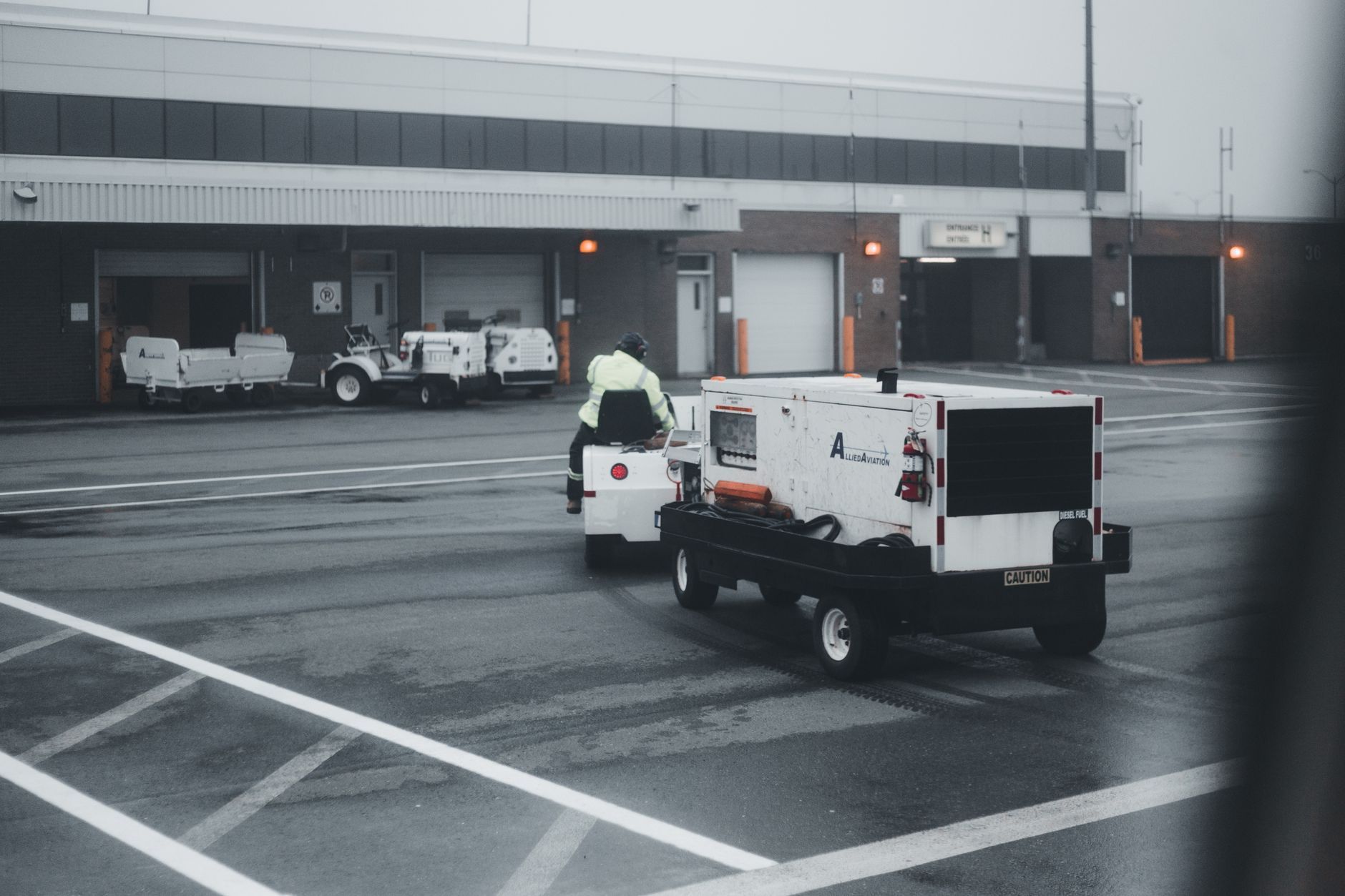
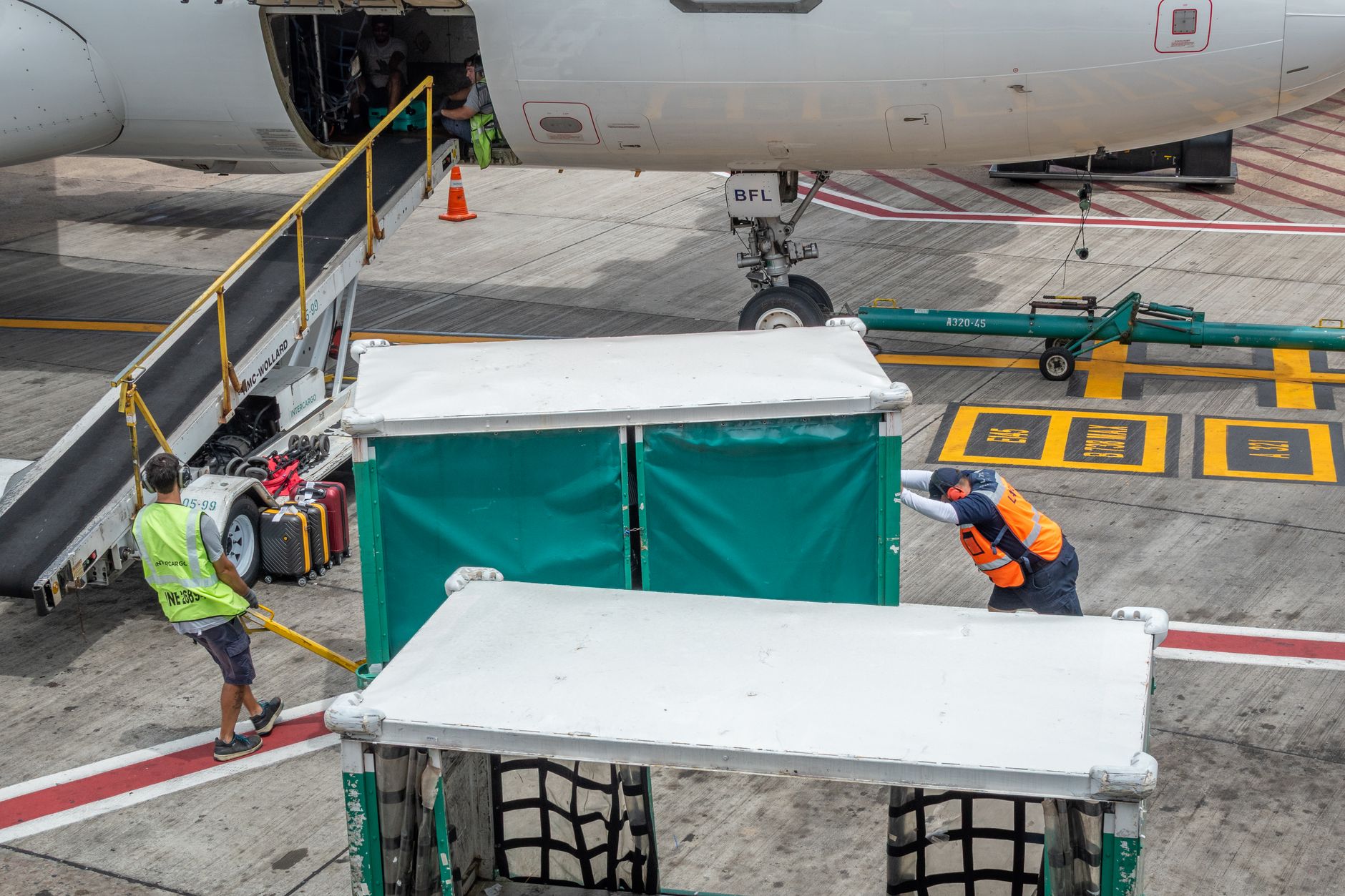
The freed time went into pavement inspection and safety work, the tasks that most directly protect an airfield. The change is one of redeployment, not headcount reduction: the people stayed on the grounds team and moved to work that turf could not do.
Planning began from a staff estimate of how much turf one hour of mowing could cover, and that estimate set the yardstick for the fleet. Measuring the fleet against the same ground is what turns a plan into a result a crew can trust.
What this means for grounds teams
Service Robot Co. is a full-service, OEM-neutral commercial robot integrator for US businesses. We select the right robots across manufacturers, then finance, deploy, integrate, train and service every unit through a nationwide US engineer network. One vendor covers the whole lifecycle.
We offer robot leases only, on a 3-year lease with one fixed payment quoted after a site assessment. For a grounds team weighing a mowing fleet, that assessment is where turf, boundaries and crew routines are mapped before any payment is quoted.
The deployment in this study is one we analyze as a documented example, not a project of ours.
Frequently asked questions
Want a robot working for you?
Tell us the job and the site. We will recommend the robot, quote the lease, and keep it serviced.