
a regional airport in Texas with a nine-person maintenance team
A Texas Regional Airport's Autonomous Mowers Average 2.48 Acres an Hour
A Texas regional airport's three autonomous mowers averaged 2.48 acres per hour in GPS data, easing a nine-person crew. Here is how the deployment unfolded.
Deployment at a glance
- 2.48
- Average acres per hour, GPS data across three mowers
- 3
- Autonomous mowers working the airport grounds
- 5 to 6
- Of nine maintenance staff previously needed for mowing
- 1.4+
- Acres per hour per mower, vendor reported rating
Based on a documented real-world deployment. Figures are from public reporting; the organization is not named.
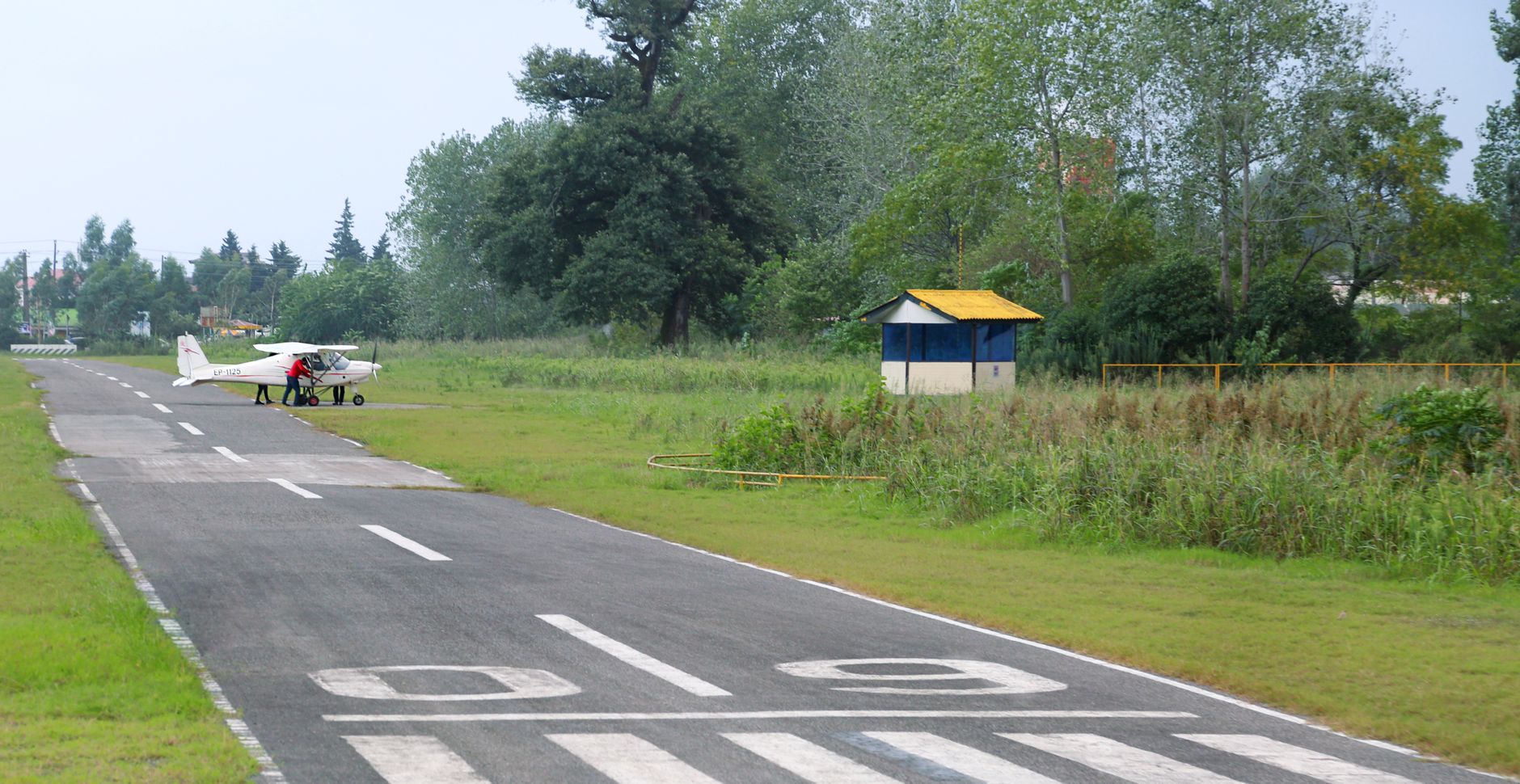
Mowing that competed with everything else on the crew
Grounds work at an airport rarely pauses. Turf along the airfield edges, around navigation aids and across open infield has to meet a standard that suits operations, and every pass must fit around aircraft movements, vehicles and the people who work there.
For a regional airport in Texas with a nine-person maintenance team, mowing was never a small errand. Before the change, five or six of those nine staff were typically needed for it, which left a thin bench for every other task on the maintenance calendar.
A crew this size has little slack. A sick day, a weather delay or an unplanned repair lands on the same few people, and the grounds schedule absorbs the shock.
- Five or six of nine maintenance staff typically needed for mowing
- Little slack for sick days, weather delays or unplanned repairs
- Open, varied turf that did not respond the same way across the property
Three autonomous mowers working within defined boundaries
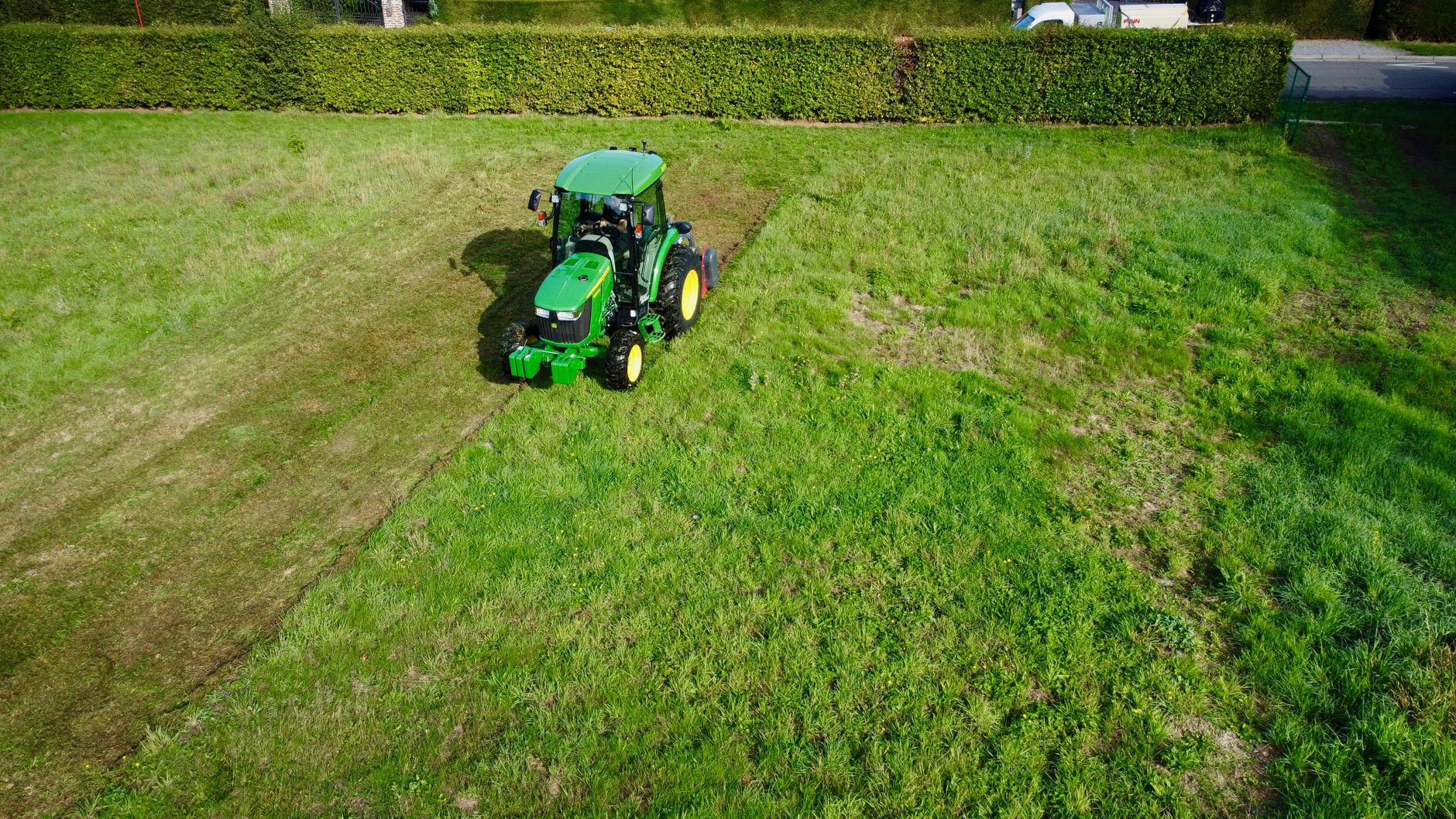
The airport put three autonomous mowers to work across its grounds. The units are guided by GPS and follow preset routes inside defined boundaries, so the work runs along the limits the team sets rather than under manual steering on every pass.
Production was then tracked by GPS across the fleet. That gave the team a field record spanning the varied machines, operators and turf the work involved, and it is the record the headline figure rests on.
- Set defined mowing boundaries across the grounds
- Load preset GPS routes for each of the three mowers
- Track production by GPS across machines, operators and turf
Acres per hour, and a crew freed from the mower
GPS data put the average at 2.48 acres per hour across the three mowers. That figure moved with the machine, the operator and the turf type, so it reads best as a working number rather than a best case.
The per-unit figure is a separate matter. The vendor rates each mower at more than 1.4 acres per hour, and the airport reported rates above that level after a few months of operation. The vendor number describes the machine, while the 2.48 average describes the fleet at work.
The staffing result is the one the crew feels most. Mowing had drawn five or six of nine maintenance staff, and that is the baseline this deployment set out to change.
What this means for a lean grounds crew
Service Robot Co. is an OEM-neutral commercial robot integrator for US businesses. We select the right robots across manufacturers, then finance, deploy, integrate, train and service every unit through a nationwide US engineer network, so one partner covers the whole lifecycle. This airport's deployment was not carried out by us. We cite it as a documented example of what autonomous mowing can look like on a lean team.
Robots reach our customers through commercial robot leasing. Every unit is offered on a 3-year lease with one fixed robot lease payment, quoted after a site assessment. A business can start with one leased unit on its most manageable area, then widen coverage only when the field data supports it.
A free site assessment comes first. It is where grounds, boundaries and crew hours are reviewed before any lease is quoted, so the numbers a buyer sees rest on the property in front of them.
Frequently asked questions
Want a robot working for you?
Tell us the job and the site. We will recommend the robot, quote the lease, and keep it serviced.