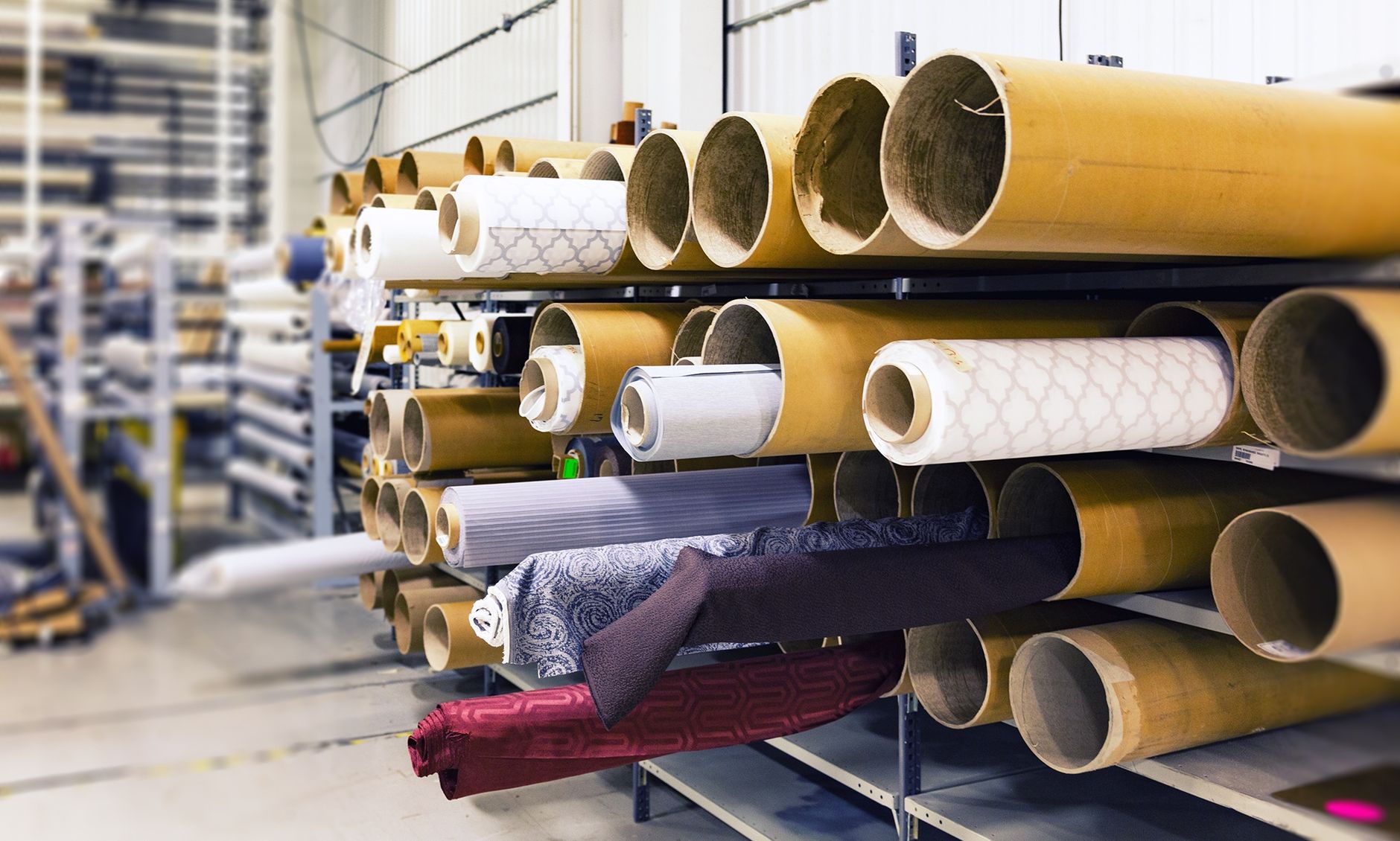
a natural and synthetic fiber dyeing plant with a five-story warehouse in southern Brazil
How a Textile Dyeing Plant Raised Daily Fabric Transport 122% With Heavy-Duty AMRs
A southern Brazil dyeing plant moved fabric hauls from 90 to 200 tons per day with five one-ton AMRs tied into elevators, RFID cages, and warehouse software.
- 122%
- transport gain
- 200t
- daily moved
- 5
- AMR fleet
- 1t
- per robot
Based on a documented real-world deployment. Figures are from public reporting; the organization is not named.
Forklifts could not keep dye lines fed
This dyeing operation moves heavy fabric rolls between a tall warehouse and production floors that run around the clock. Forklifts had been hauling roughly 90 tons of material to the floor each day, and peak windows stacked up at elevators and cage handoffs.
Supervisors wanted a steadier feed without adding more manned lifts in tight aisles. The original automation target aimed near 160 tons per day, still a major jump from the forklift baseline.
- Forklift queues at elevators during busy periods
- About 90 tons per day moved manually to production
- Multi-floor storage with thousands of fabric positions
- Need for ERP and warehouse system visibility
Five heavy AMRs on a managed fleet
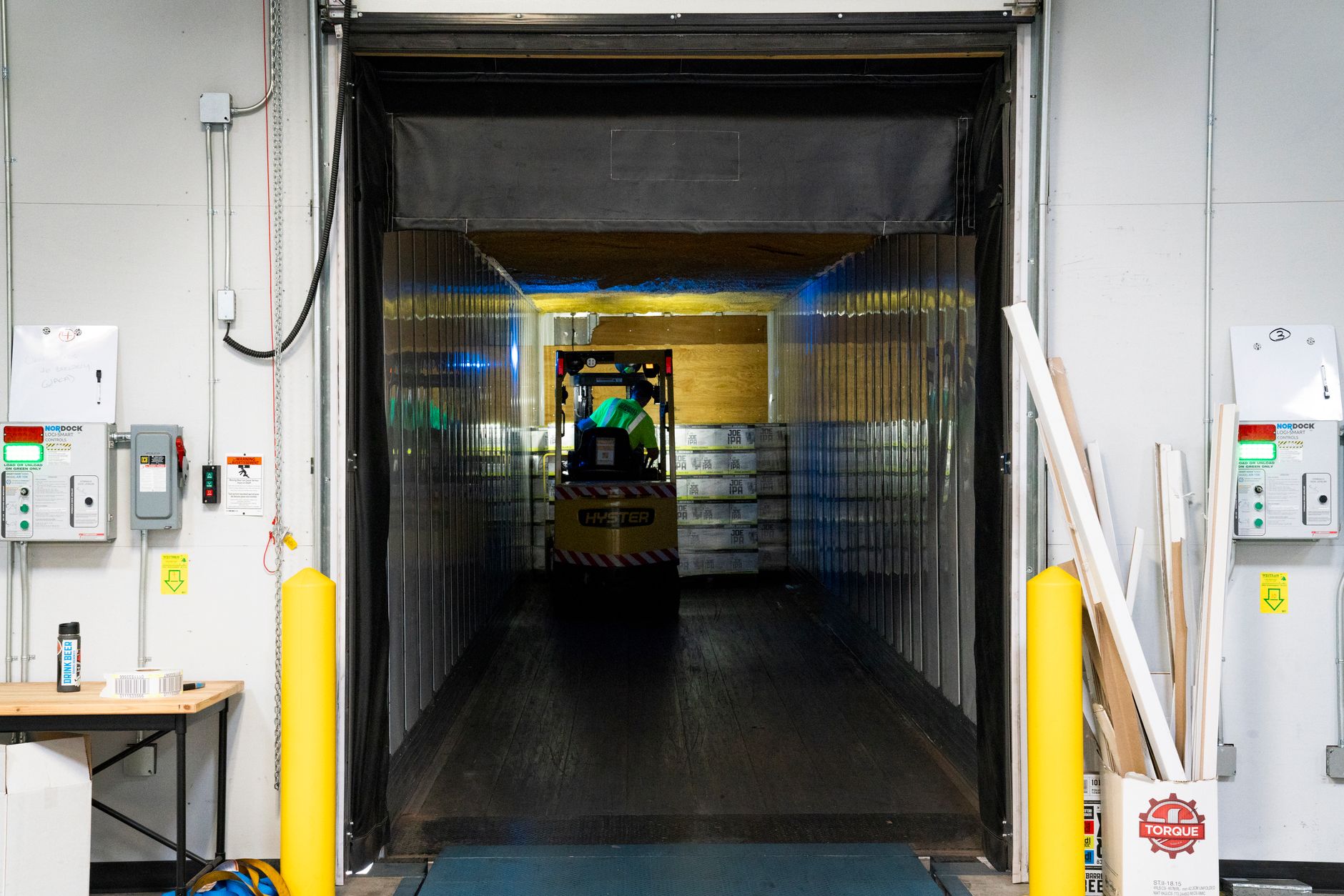
The plant deployed five autonomous robots rated for about one ton each, coordinated through a central fleet manager. Routes tie into four elevators and RFID-tagged cages so loads move between five warehouse levels without constant operator shuttling.
Integration with enterprise and warehouse software gives planners live mission data across roughly 450 receiving points and about 3,000 fabric storage slots. Training focused on exception handling at elevator doors and cage exchanges rather than driving every haul.
- Map vertical routes and elevator interlocks
- Link RFID cages to warehouse missions
- Pilot one AMR lane before scaling to five
- Tune fleet software with ERP and WMS feeds
Throughput beat the project goal
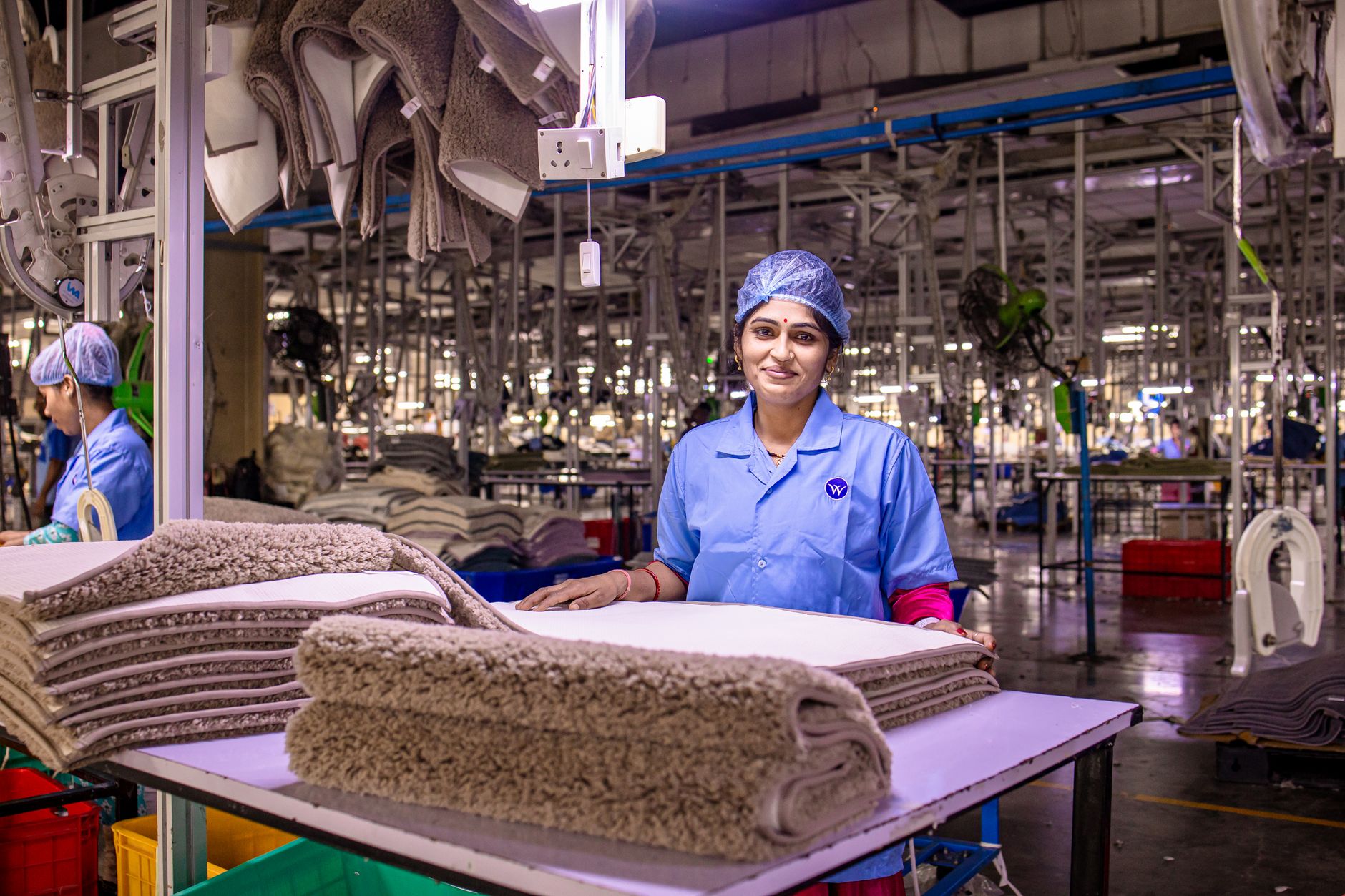
Published results describe daily material transport rising from about 90 tons under forklifts to about 200 tons with the AMR fleet in place. That outcome exceeded the initial project target near 160 tons per day, a 122% lift relative to that goal.
Operators report fewer bottlenecks because robots keep moving while lifts wait on people. The site positions the deployment as the first large-scale autonomous fabric haul program in its segment, with uninterrupted robot cycles across the warehouse stack.
What textile and heavy-goods sites can copy
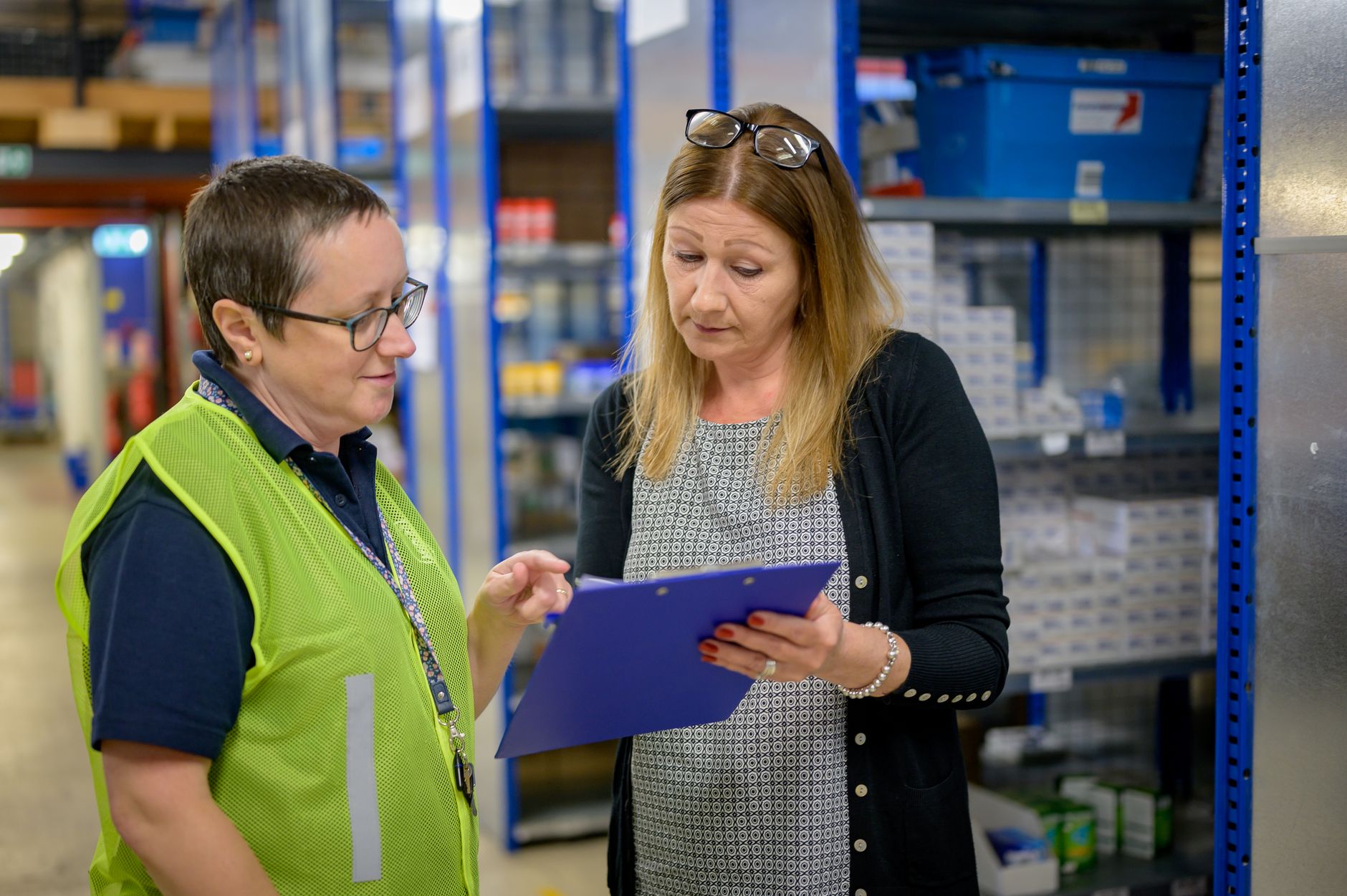
This account is a documented industry deployment, not a Service Robot Co. customer story. It still shows how a vendor-neutral integrator should scope heavy AMRs: prove elevator and cage handoffs on one floor, then expand once WMS missions are stable.
Service Robot Co. selects pallet and tug AMR platforms, runs site assessments, and supports warehouse robot rental or lease programs with a nationwide network of regional service engineers on one contract. Phased go-live keeps dye or finishing lines running while routes are remapped.