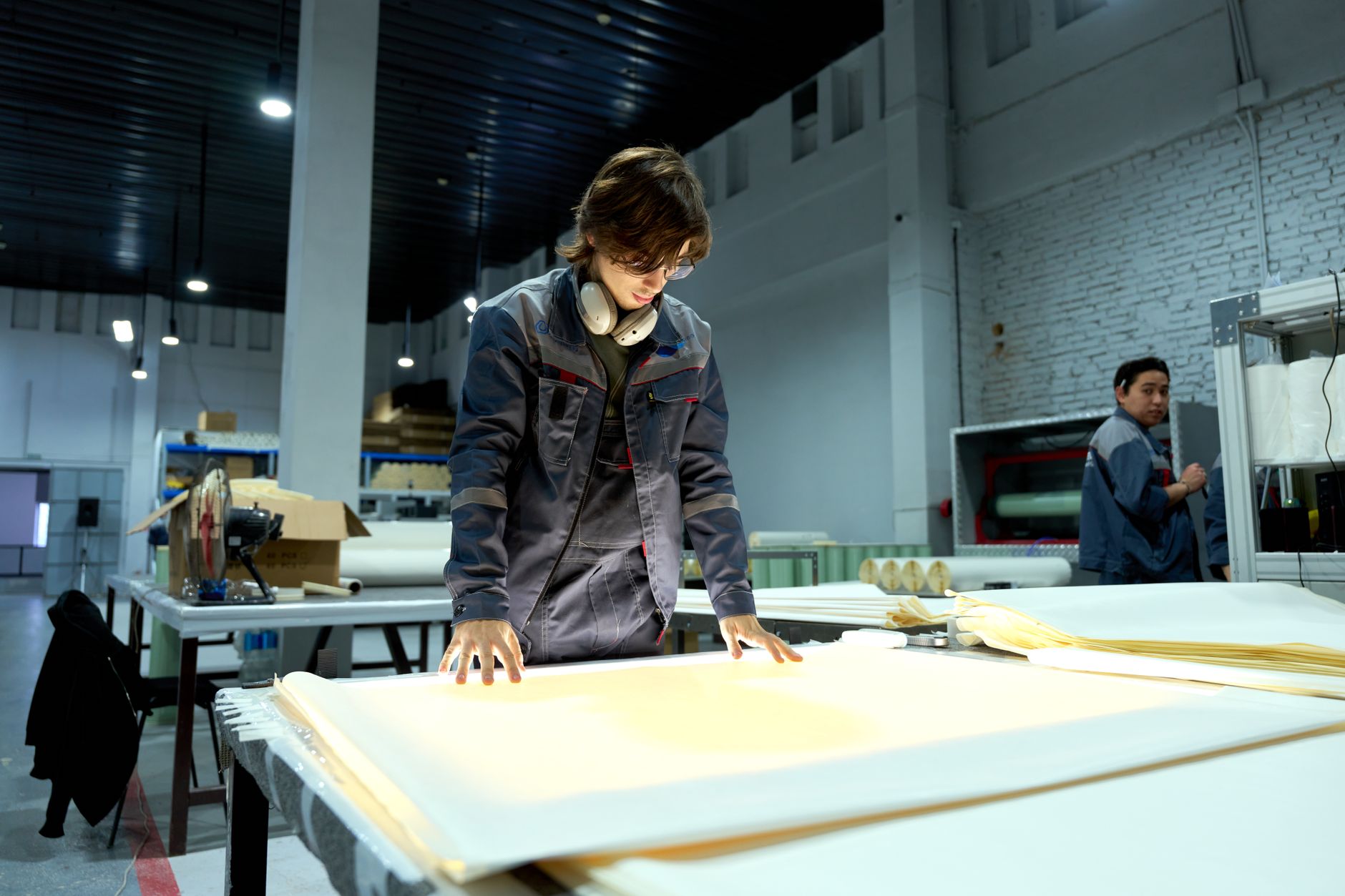
a 380-employee sanitary-products manufacturer in Austria
How a Toilet-Seat Factory Increased Production Fivefold
A 380-employee sanitary-products plant in Austria used 14 deburring robots to raise toilet-seat output fivefold, cut waste to 2%, and grow from 5 to 50 SKUs.
- 5×
- Seat output
- 2%
- Total waste
- 50
- Seat varieties
- 14
- Finishing robots
Based on a documented real-world deployment. Figures are from public reporting; the organization is not named.
Manual grinding ate margin
A 380-employee sanitary-products manufacturer in Austria built toilet seats and coated surfaces for major bathroom brands. Final grinding and edge work still ran by hand long after injection molding went modern.
Uniform finish was hard to hold shift to shift. Scrap piled up, labor on each press stayed heavy, and interruptions stole up to 20 percent of production time. Leadership needed robotic molding and finishing that could keep quality while the catalog exploded.
- Hand deburring after mold release
- High scrap on inconsistent grind
- Frequent line stops for rework
Phased robot deburring on the line
The plant became an early adopter of industrial robots for seat finishing, starting in the late 1980s and expanding to fourteen cells on trim, deburr, and handling steps around plastic injection lines.
Each cell took over final grinding so operators could run more presses with less touch labor. Programs could be swapped in about fifteen minutes when a new seat model launched, which mattered once the line had to support dozens of shapes and colors each season.
- Robot deburr replaces manual rim work
- Fourteen cells across molding lines
- Fast reprogram for new seat models
Documented production gains
Over two decades the operation reported a fivefold rise in toilet-seat production while annual output reached about 1.5 million seats. Total waste material fell to 2 percent, machine shutdown time moved close to zero, and each injection molding machine needed roughly one third fewer people than three years prior.
The catalog grew from five basic seat types to fifty varieties in many colors, with about fifteen new models each year. Production cycle time improved sharply on automated lines, and programming time for changeovers dropped about 80 percent compared with earlier manual setups.
Lessons for high-mix plastics plants
Toilet seats look simple until fashion, color, and export SKUs multiply. Without repeatable deburr and polish, molders either cap variety or burn margin on scrap.
Service Robot Co. did not run this Austrian deployment. We help US manufacturers pick vendor-neutral collaborative robot arm rental or fixed cells, finance through robot leasing for business or month to month robot lease, integrate force-controlled finishing, train staff, and back the fleet with commercial robot repair service nationwide. A phased deployment no shutdown pilot on one press line can prove scrap and takt gains before you scale.