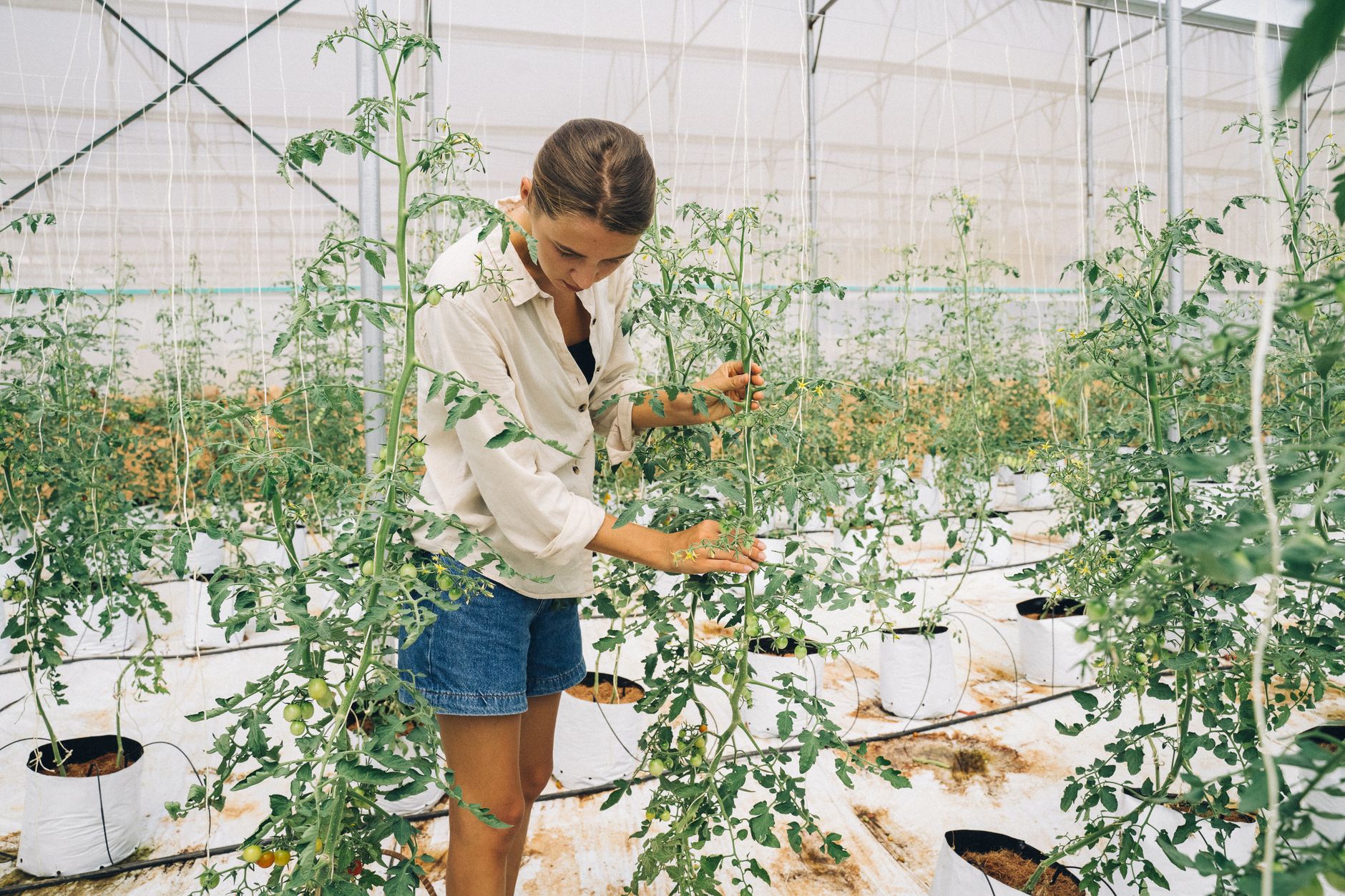
a 10-hectare commercial tomato greenhouse in Australia
Tomato Pollination Robots Raised Yield Up to 20% in Australia
A documented 10-hectare greenhouse in Australia replaced manual tomato pollination with vision-guided robots and reported up to 20% higher yield.
- Up to 20%
- higher yield vs manual
- 10 ha
- commercial deployment
- 3.5/ha
- robots at that stage
- 1 ha
- coverage basis
Based on a documented real-world deployment. Figures are from public reporting; the organization is not named.
Manual pollination had become the bottleneck
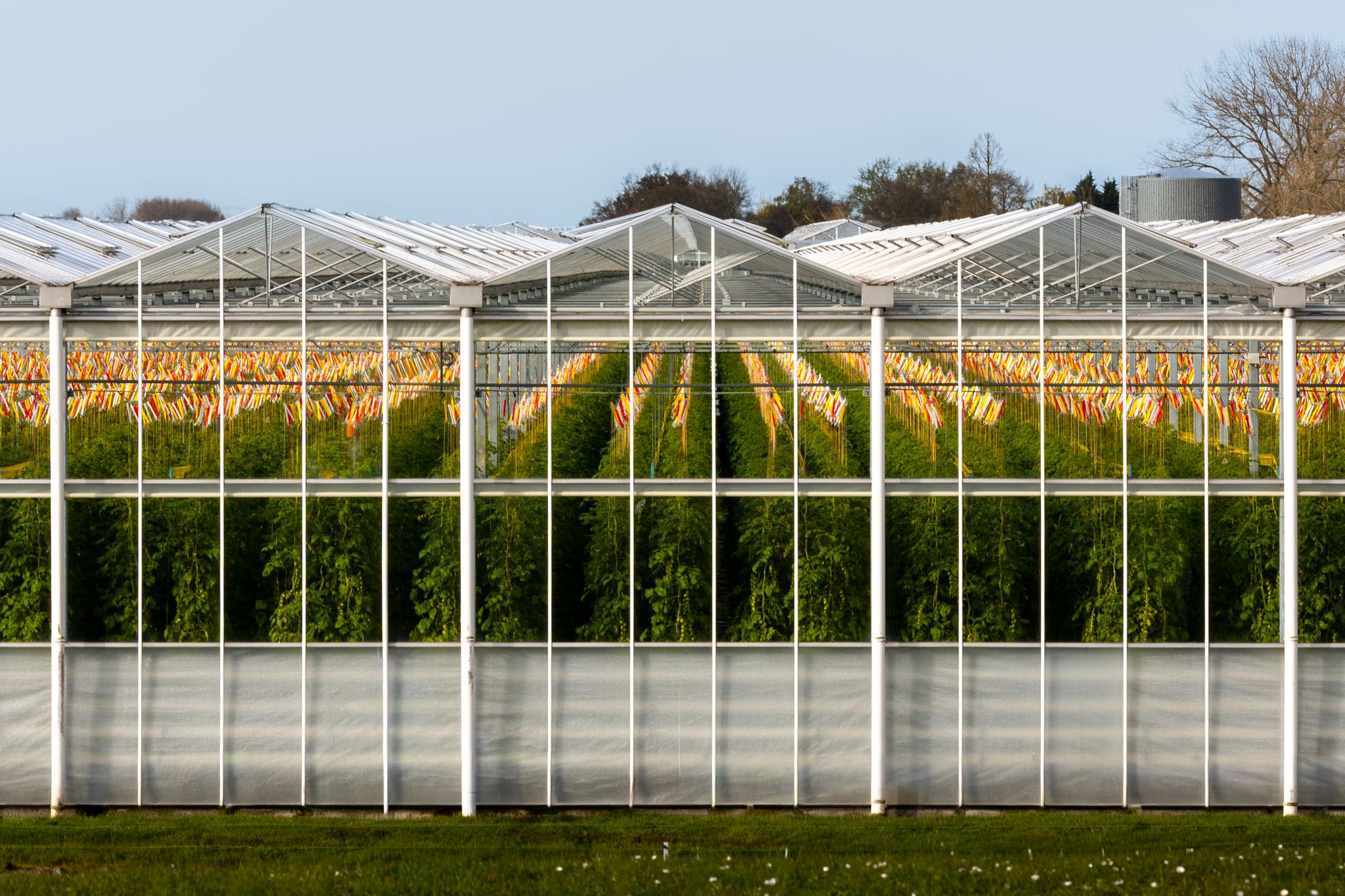
For a 10-hectare commercial tomato greenhouse in Australia, pollination was not a side task. It sat directly on the path to yield, and commercial bumblebees were unavailable locally.
That left the crop dependent on manual pollination. Workers had to reproduce the vibration tomato flowers need, again and again, across a large protected-cropping footprint where consistency matters.
- Commercial bumblebees were unavailable locally
- Tomato flowers still required buzz pollination
- Manual work had to cover a full 10-hectare greenhouse operation
Vision-guided robots took over the buzzing pass
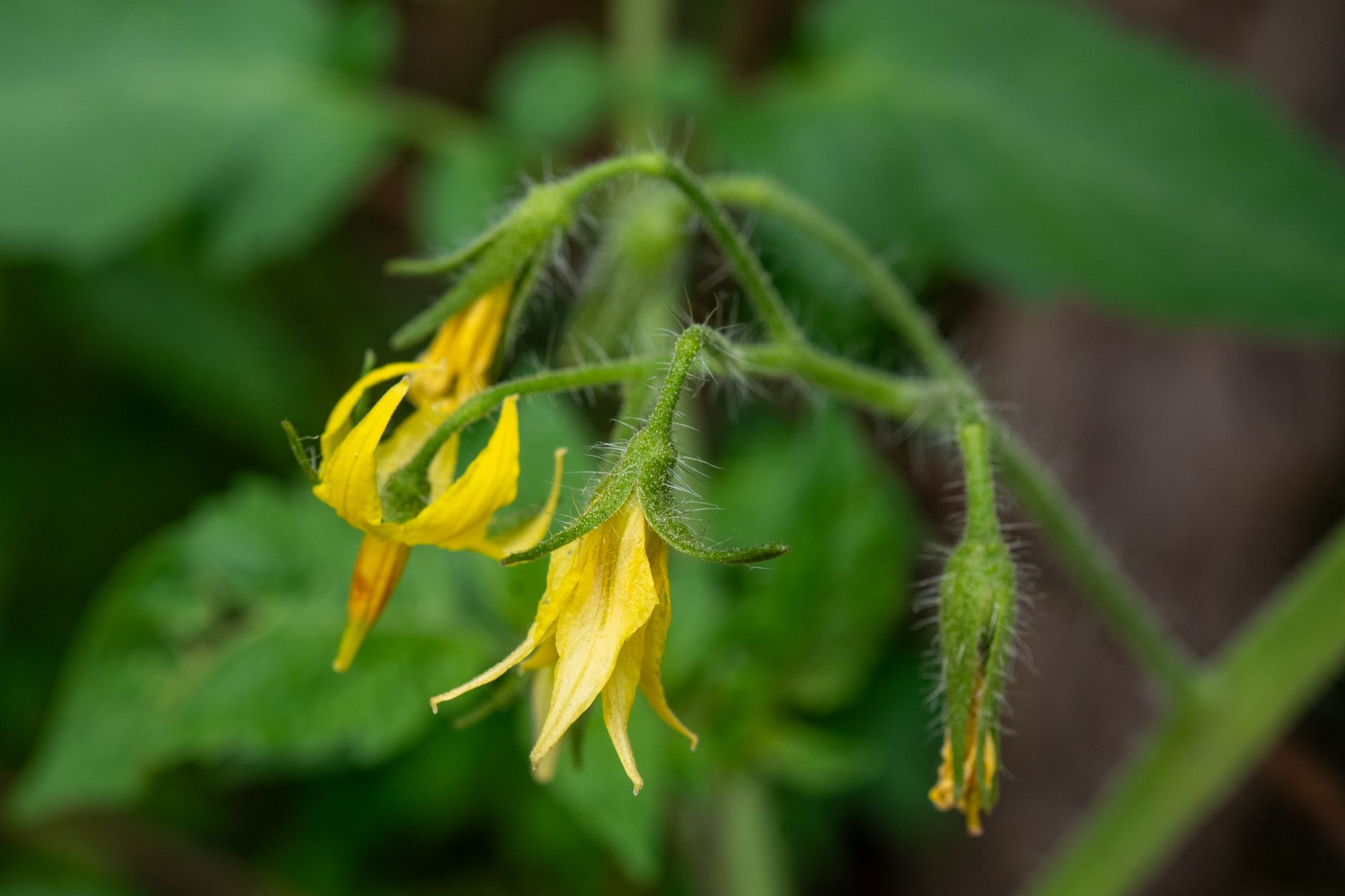
The greenhouse introduced pollination robots that moved along the rows, captured images of every flower, and judged readiness in real time. When a flower was ready, the robot reproduced buzz pollination with calibrated air pulses rather than a hand tool.
This was not framed as a tiny bench test. The documented rollout covered the first 10 hectares of the tomato operation, and the source says the system at that stage could ensure pollination of 1 hectare with 3.5 robots.
- Deploy robots in a live commercial tomato block
- Use computer vision to identify flowers ready for pollination
- Apply air-pulse buzzing only to ready flowers
- Plan coverage around the reported 1-hectare and 3.5-robot operating ratio
Yield moved up without a quality trade
The headline result was up to 20% higher yield versus manual pollination, without sacrificing quality. That is the part worth dwelling on, because the gain was tied to saleable crop performance, not just activity or labor substitution.
The scale matters too. The source places that outcome in a commercial deployment covering 10 hectares, which gives the result more weight than a single-row trial or a short technical demonstration.
What this means for U.S. greenhouse operators
This is not a Service Robot Co. deployment. It is a documented example of a narrow, repetitive greenhouse task that can justify automation when the biology is clear, the coverage model is understood, and the rollout is tied to live production instead of a trade-show demo.
That is where Service Robot Co. fits for U.S. operators. We act as a vendor neutral robot integrator, handling robot deployment and integration, training, service, remote triage, and on-site dispatch, and we can structure leasing or other monthly payment programs so adoption does not hinge on one manufacturer or one procurement path.