
a small Finnish contract machine shop
Machine Tending Cuts Shop Costs by More Than 40%
See how a small Finnish contract machine shop used machine-tending cobots to cut machine-hour and applicable unit labor costs by more than 40%.
- >40%
- Lower machine-hour costs
- >40%
- Lower applicable unit labor costs
- 12 months
- Approximate return period
- 2 weeks
- Initial setup period
Based on a documented real-world deployment. Figures are from public reporting; the organization is not named.
Legacy Machines, Expensive Attention
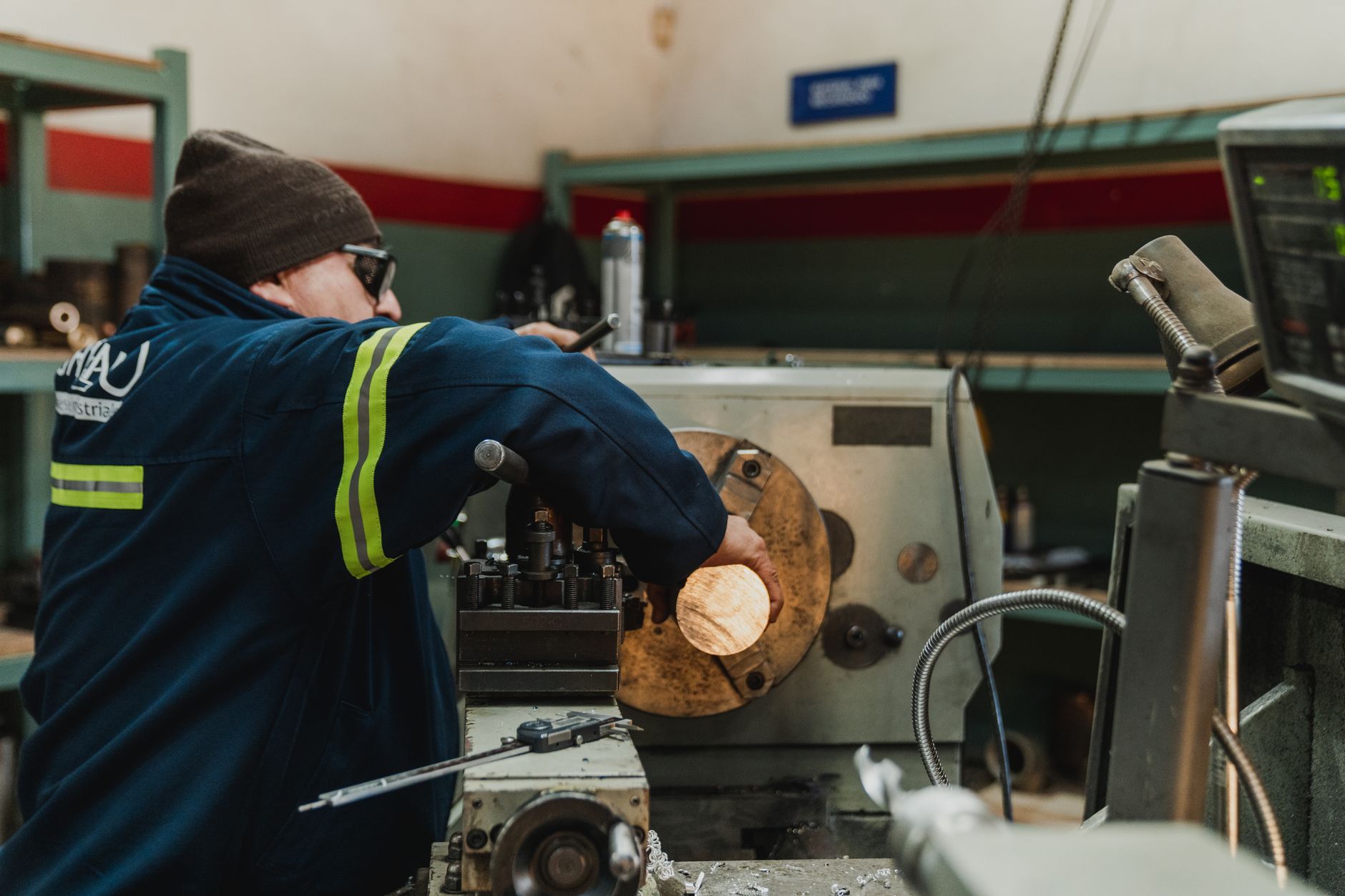
A small Finnish contract machine shop produced short runs for engineering customers, but its older lathes and mills demanded constant manual loading and unloading. Skilled machinists were spending valuable hours feeding slow equipment instead of programming, setting jobs and checking quality.
That labor burden drove up machine-hour costs and weakened the shop's position in fierce price competition. Recruiting additional CNC machinists was also extremely difficult, leaving management with a capacity problem that conventional hiring could not readily solve.
Replacing serviceable machinery was not the only path. The sharper question was how to keep legacy assets productive without tying an experienced machinist to every cycle.
- Reduce the labor absorbed by repetitive loading and unloading
- Fit automation into an existing floor and around older equipment
- Preserve machinists for programming, setup and quality control
- Extend useful machine life while recovering price competitiveness
A Practical, Phased Introduction
The shop selected a collaborative machine tending robot that could work with its installed equipment without requiring a new production hall. The initial deployment served an automatic lathe and took two weeks to install and program.
The work sequence went beyond simple part transfer. The cobot loaded workpieces, waited through machining, cleaned fixtures and parts with compressed air, and moved completed pieces into a washing basket. Cobots were also applied to assembly, deburring, part cleaning and laser marking.
Deployment proceeded in stages. After the first installation proved useful, the shop added two more cobots. CNC machinists handled programming themselves, and preparing a new production series took about two hours.
The published account does not describe an ongoing maintenance or service arrangement, so none should be inferred. Its central lesson is narrower and more useful: careful task selection, operator training and phased deployment made automation workable around legacy assets.
- Choose repetitive, labor-intensive tending work with stable part presentation
- Integrate the first cobot with an existing lathe
- Train CNC staff to program and supervise production
- Expand only after the initial cell proves its operating value
Cost Competitiveness Restored
Machine-hour costs fell by more than 40%. For applicable parts, production unit labor costs also declined by more than 40%, returning the shop to active price competition and helping it secure new orders.
Management calculated an approximate return period of twelve months for each cobot. The equipment also extended the productive life of older machinery, including a milling machine introduced in 1990.
The labor story was equally important. No employees were terminated because of the cobots. Machinists shifted toward programming, setup and quality control while the machines continued producing for several hours after employees had gone home.
Reliability constraints remained grounded in machining reality. Interruptions were attributed mainly to cutting-tool wear during stainless-steel work, rather than the cobots, and the deployed cells operated without machine vision.
Implications for US Machine Shops
This documented deployment was not performed by Service Robot Co. It does, however, show the kind of operating case that deserves disciplined evaluation before a US machine shop commits capital: an expensive manual bottleneck, useful legacy equipment and repeatable work that can continue beyond staffed hours.
Service Robot Co. is an OEM-neutral commercial robot integrator for US businesses. We assess equipment and workflows across manufacturers, select the machine tending robot that fits the actual cell, then finance, deploy, integrate, train and service it through a nationwide US engineer network.
That lifecycle model gives buyers a single accountable vendor instead of separate contacts for equipment selection, robot deployment and integration, training and field support. It also lets a shop compare purchase, robot financing for small business and cobot leasing for manufacturing against the economics of its own part mix.
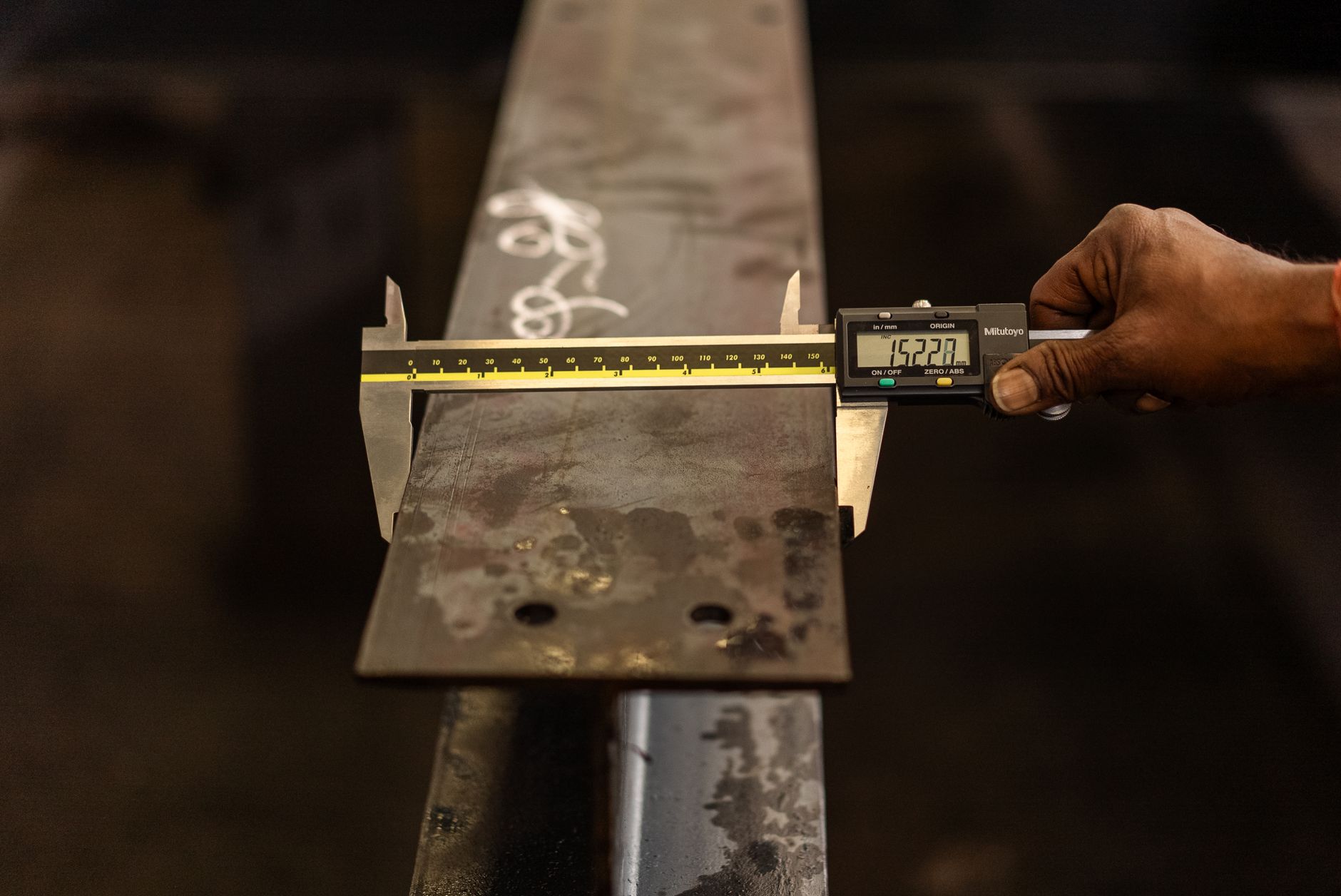
The right starting point is evidence from the floor. Cycle behavior, operator touch time, part presentation, guarding requirements, quality checks and production scheduling should shape the cell before any collaborative robot arm lease or purchase is approved.