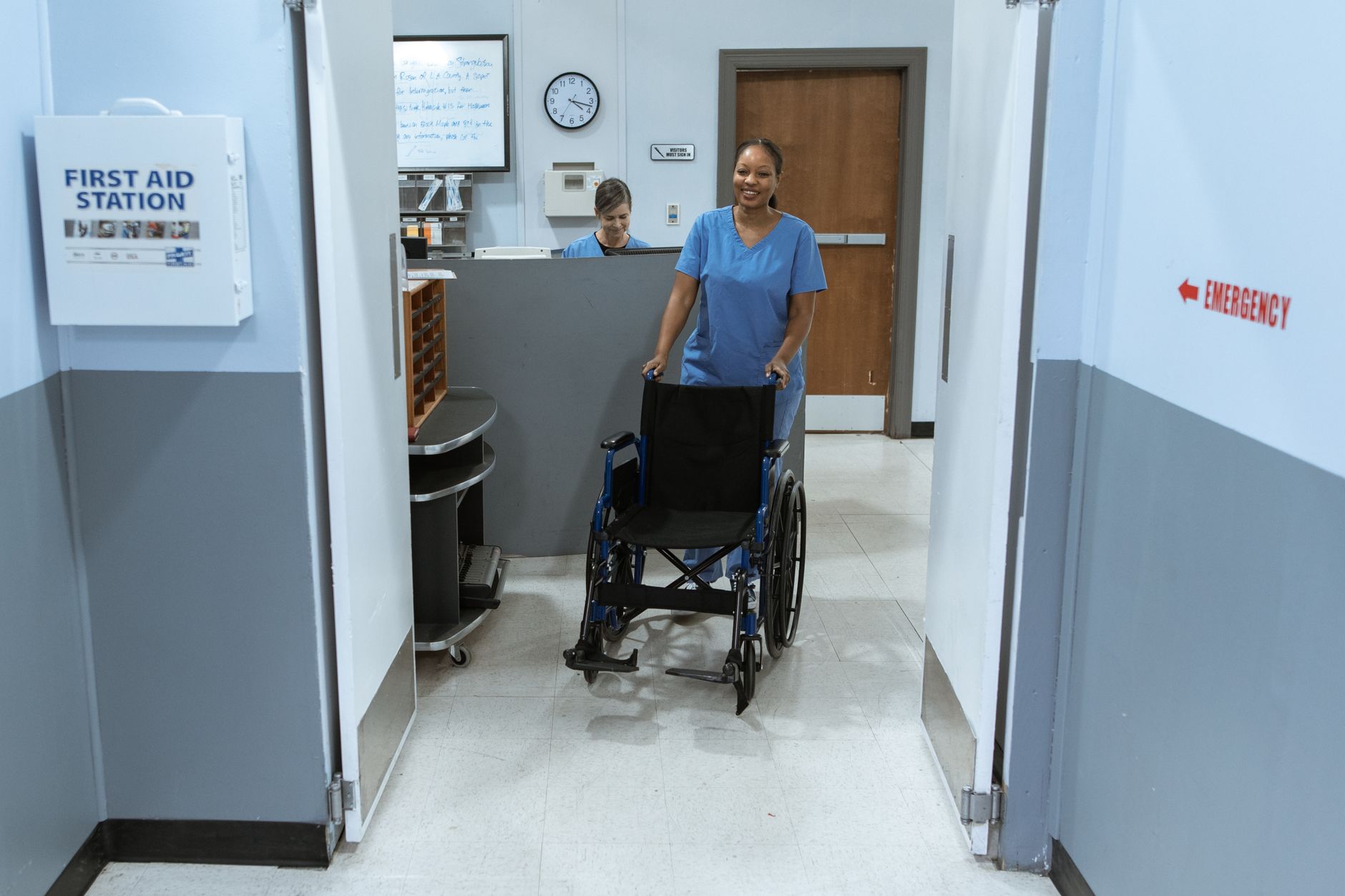
a top-100 U.S. orthopedic hospital with about 75,000 square feet of cleanable space managed by a regional facilities contractor
How a Top-100 Orthopedic Hospital Freed Four Floor-Scrubbing Hours Every Day
A regional facilities contractor added a compact autonomous scrubber at a top-100 orthopedic hospital and reports about four daily hours back for high-touch EVS work.
- 4 hrs/day
- scrub time back
- 75K sq ft
- cleanable area
- 1 week
- was 1 month
- Top 100
- hospital rank
Based on a documented real-world deployment. Figures are from public reporting; the organization is not named.
Ceramic corridors that never stayed ahead of traffic
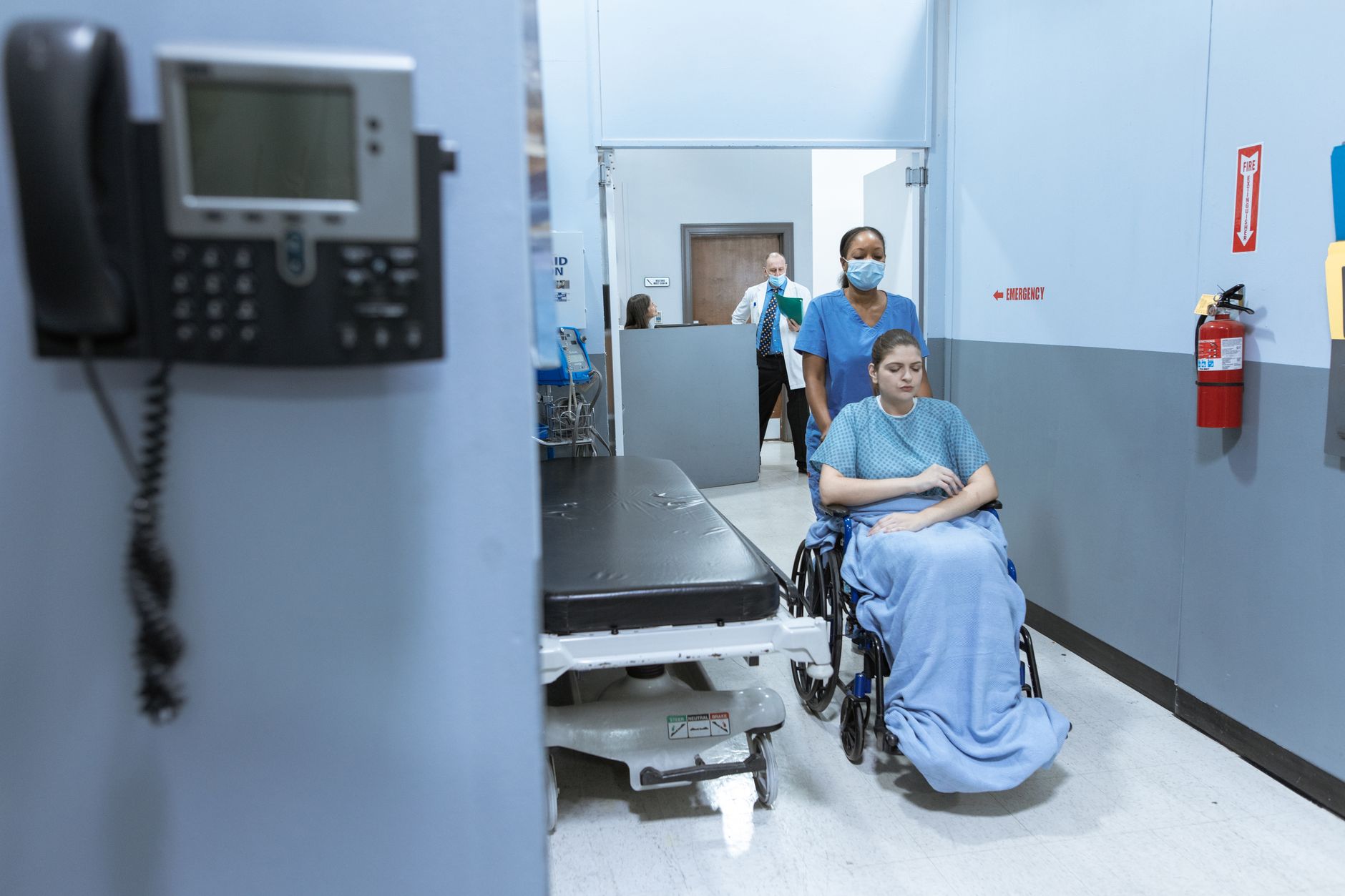
Environmental services at this top-100 orthopedic hospital covers roughly 75,000 square feet of cleanable space. Ceramic tile corridors and high-visibility entries see steady patient, visitor, and cart traffic from early morning through evening.
The regional facilities contractor running EVS faced the same pressure as many acute-care sites. Mopping and scrubbing ate hours that supervisors wanted for touchpoint disinfection, restroom detail, and rapid response calls. Work that was scheduled monthly on some routes kept sliding because crews were tied to repetitive floor work.
Leadership wanted more frequent scrubbing on main hallways without hiring another full overnight team. They also needed a path that did not require a long shutdown or a risky capital bet on hardware that might not fit tight turns near nursing stations.
Pilot one autonomous scrubber on the busiest loops
The contractor evaluated a compact autonomous floor scrubber sized for healthcare corridors. Mapping focused on ceramic tile routes that staff had been mopping by hand, including main hallways that leadership wanted cleaned more than once per day.
Operators programmed routes and trained onsite champions in a short session so the unit could deploy the next morning on a predictable schedule. The robot took over repetitive scrubbing while attendants stayed on call for spills, isolation rooms, and detail work.
Reporting through fleet software let supervisors confirm completed routes and adjust frequency as confidence grew. The team planned additional units once the first machine proved it could run on tile outside the original scope.
- Map high-traffic ceramic tile corridors first
- Train EVS champions and set a daily deploy time
- Keep staff on detail work while the scrubber runs loops
- Review route data and expand coverage when stable
Measured time back and cleaner floors
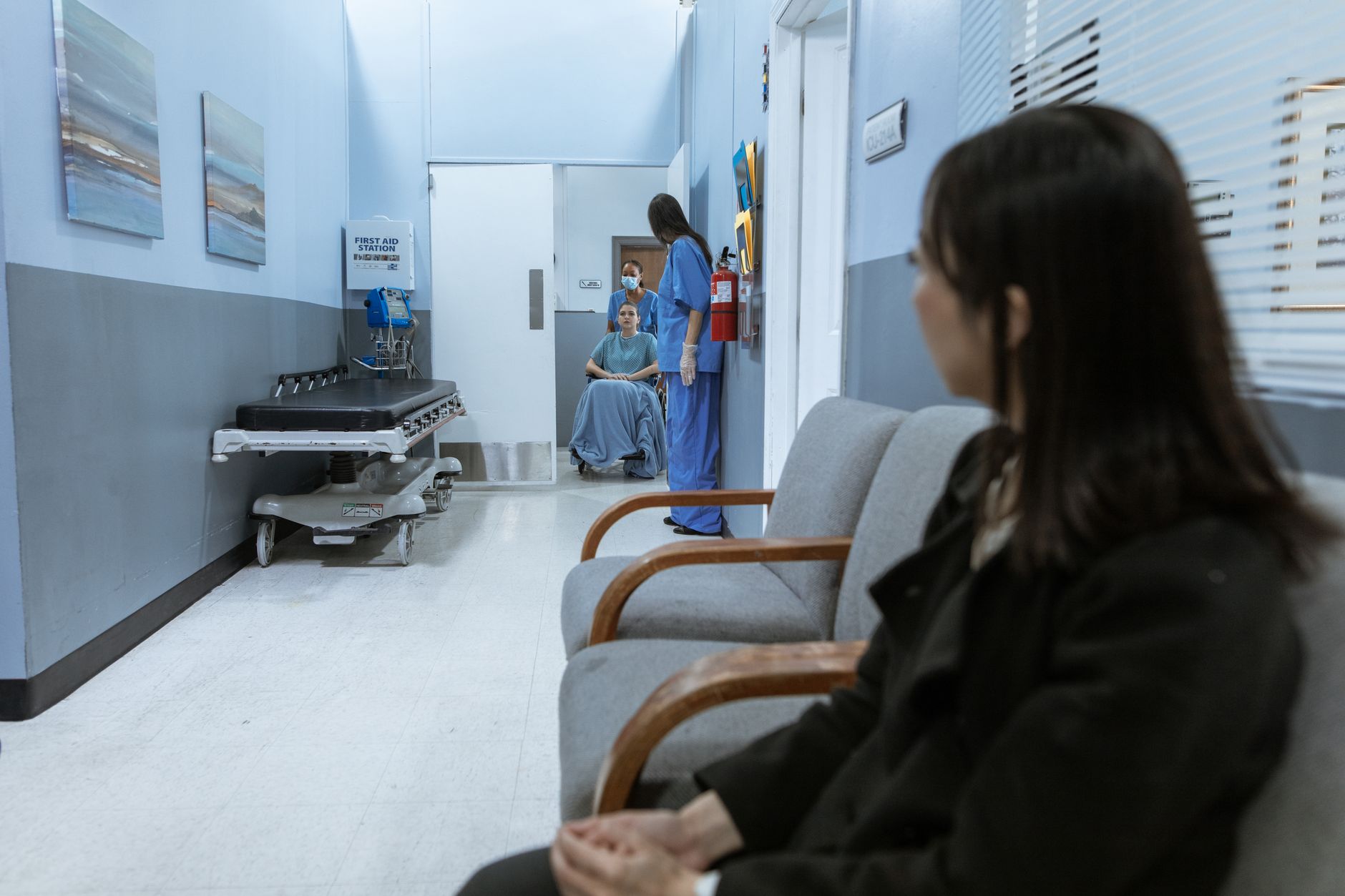
Supervisors estimate the autonomous scrubber returns about four hours every day that EVS can spend on higher-value tasks. Tasks that once took about a month to cycle now finish in about a week, and main hallways can be scrubbed multiple times per day instead of waiting for a free crew.
Floor specialists report the change as a full gain for the team, not a partial help. Attendants redeploy time toward work that patients and clinicians notice directly, while the robot handles the repetitive scrubbing they used to push to nights or weekends.
Hospital leadership noted cleaner floors on a steady morning schedule and signaled interest in adding more autonomous units as routes expand to additional tile areas.
What this pattern means for your hospital EVS plan
This deployment was run by an independent facilities contractor, not Service Robot Co. It still shows how a vendor-neutral integrator can help you compare autonomous floor scrubber rental, robot rental monthly terms, and purchase paths against another overnight hire.
Service Robot Co. selects scrubbers across manufacturers, maps your corridors, trains your champions, and backs the fleet through a nationwide network of regional service engineers. A free site assessment and month to month pilot can prove coverage on your real tile before you scale to additional units or add delivery and patrol robots elsewhere on campus.