a top-100 ranked orthopedic hospital in the United States with about 75,000 square feet of cleanable space
How a Top-100 U.S. Hospital Freed Four Floor-Scrubbing Hours Every Day
A top-100 orthopedic hospital returned four daily scrubbing hours to EVS crews after deploying an autonomous floor scrubber on busy corridors and tile zones.
- 4 hrs
- Saved daily
- 75K
- Sq ft cleaned
- 1 wk
- Monthly tasks
- Top 100
- Hospital rank
Based on a documented real-world deployment. Figures are from public reporting; the organization is not named.

Hallways that never stay quiet
This nationally ranked orthopedic hospital spans about 75,000 square feet that must look clinic-ready around the clock. Mopping and scrubbing corridors eats hours that environmental services could spend on touchpoints patients notice.
Work that should rotate monthly often waited because crews were stuck on repetitive floor work. Hiring alone could not keep pace with visible traffic zones and specialty tile finishes.
- High-visibility corridors under constant use
- Detail tasks deferred when floors dominate shifts
- Tight cleanliness expectations at a top-ranked site
Add an autonomous scrubber to the EVS team
The hospital’s facilities partner brought in a compact autonomous scrubber aimed at main corridors and ceramic tile areas that visitors see first. Programming and staff training reportedly took only a couple of hours before the unit ran in live traffic patterns.
The robot handled the dull scrubbing loops while humans focused on disinfecting, furniture moves, and room-level detail. Leadership planned additional units once the first machine proved it could run outside its original lane assignments.
- Map high-traffic routes before first autonomous runs
- Train EVS leads as on-site robot champions
- Start on corridors, expand to other hard-floor zones

Hours back for work patients notice
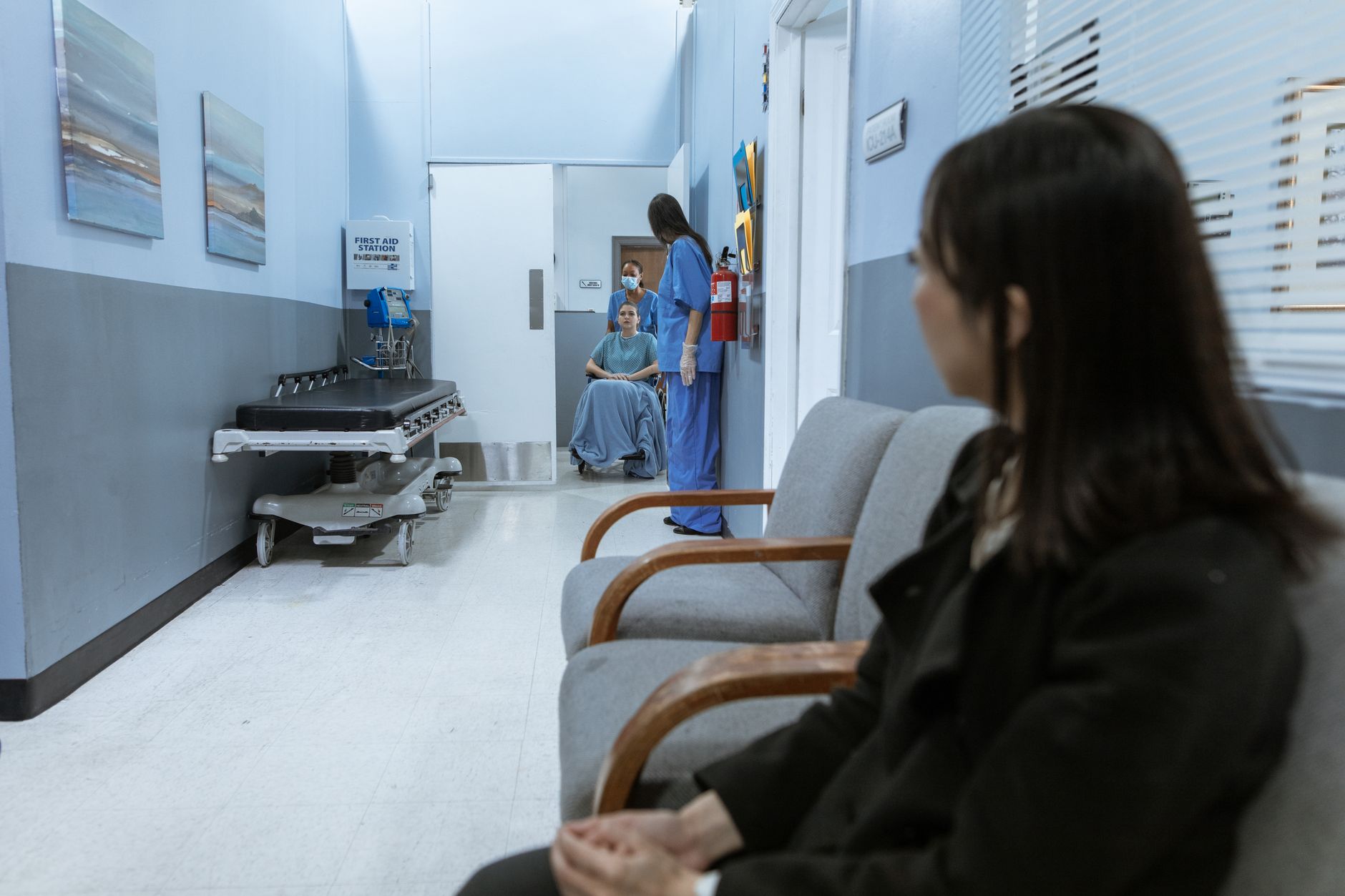
Supervisors estimated the deployment saved about four labor hours every day. Crews used the time on tasks that previously waited a month, and some corridors now see multiple scrub passes per day instead of one rushed cycle.
Staff described the robot as consistent attendance for floor work, not a replacement for people. Patients and leaders still expect a top-100 presentation, and the freed hours go toward the finishing work that supports that standard.
What this means for U.S. hospital operators
This write-up covers a documented deployment, not a Service Robot Co. customer. It still shows why hospital leaders compare commercial cleaning robot rental and monthly lease options when EVS roles sit open.
Service Robot Co. helps U.S. facilities pick autonomous scrubbers across manufacturers, finance them with monthly payment programs, and support go-live through a nationwide network of regional service engineers with maintenance included plans.