a North American trailer OEM forming 120-pound steel coupler components on a high-tonnage press line
How a Trailer Manufacturer Cut Coupler Forming Cycles From Five Minutes to One
A trailer OEM replaced manual handling of 120-pound coupler blanks with a heavy-payload press tending robot, cutting cycles from five minutes to one.
- 1 min
- Cycle time
- 120 lb
- Part weight
- 750 ton
- Press size
- 2-3
- Operators removed
Based on a documented real-world deployment. Figures are from public reporting; the organization is not named.
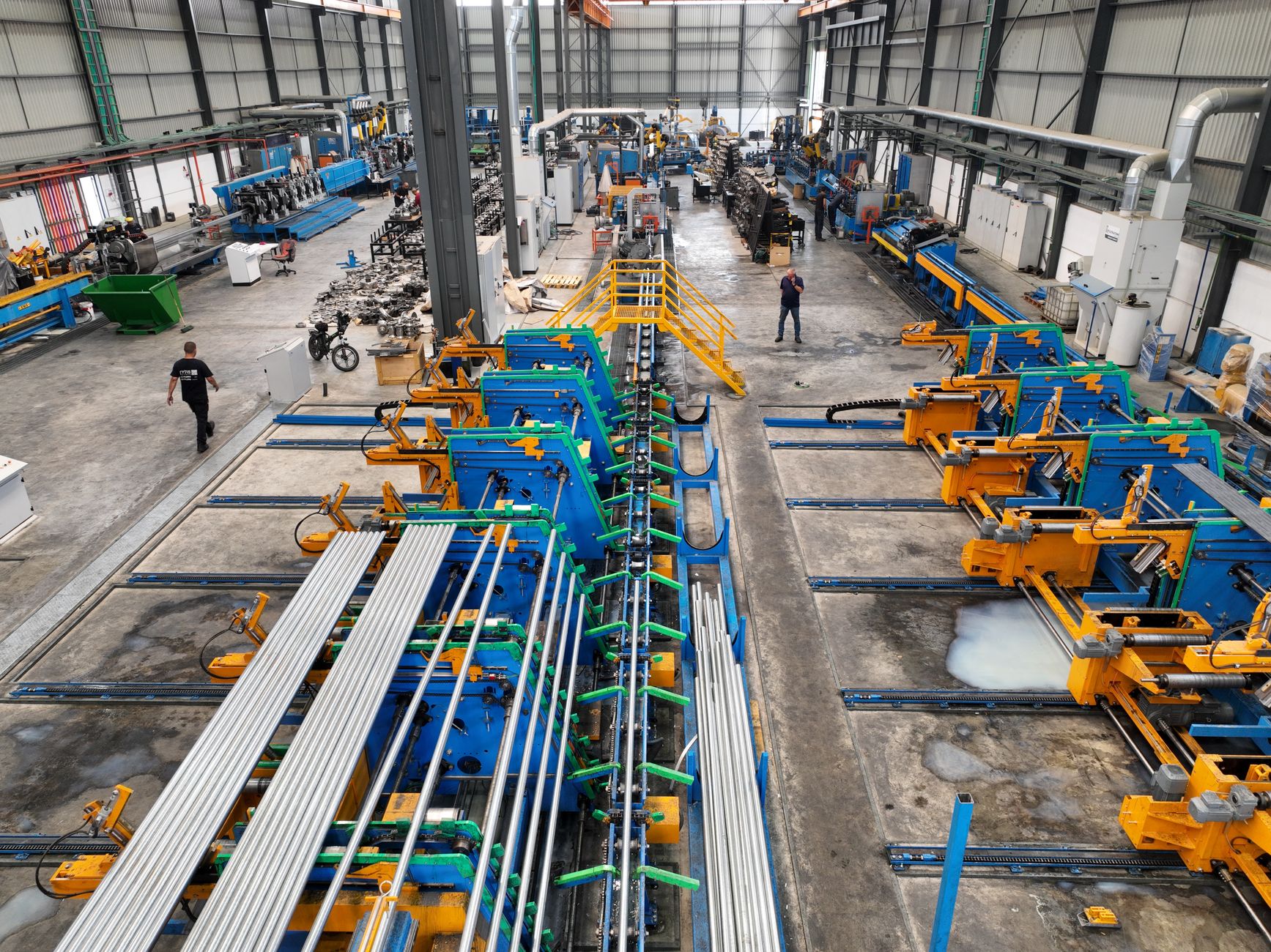
Heavy coupler blanks strained people and pace
A North American trailer OEM forming 120-pound steel coupler components on a high-tonnage press line needed reliable ribs for road-ready trailers. Each cycle meant positioning heavy gauge blanks, forming structural steel, and moving finished pieces without damaging edges.
The manual process required two to three operators per cycle and about five minutes of handling per part. That combination created ergonomic risk on one of the plant's highest-strain tasks and capped throughput when trailer demand climbed.
- 120-pound blanks handled by multiple operators each cycle
- About five minutes of labor per formed coupler component
- Ergonomic exposure on repetitive heavy lifts
- Quality variability from manual positioning
Robot integrated bending on a 750-ton press
An integration partner built a robot integrated bending cell around a heavy-payload industrial robot with vacuum end-of-arm tooling. A gravity squaring table orients each sheet before the press forms coupler ribs, and the robot manages inbound pickup, positioning, and outbound pallet placement.
The cell ties robotic handling to a 750-ton press so lifting, transfer, and forming run as one repeatable sequence. Operators shift from brute-force handling to monitoring the line, changeovers, and quality checks rather than standing in the lift path.
- Heavy-payload robot with vacuum tooling for sheet handling
- Gravity squaring table for blank alignment
- 750-ton press for structural steel forming
- Robot manages inbound, press interface, and outbound palletizing
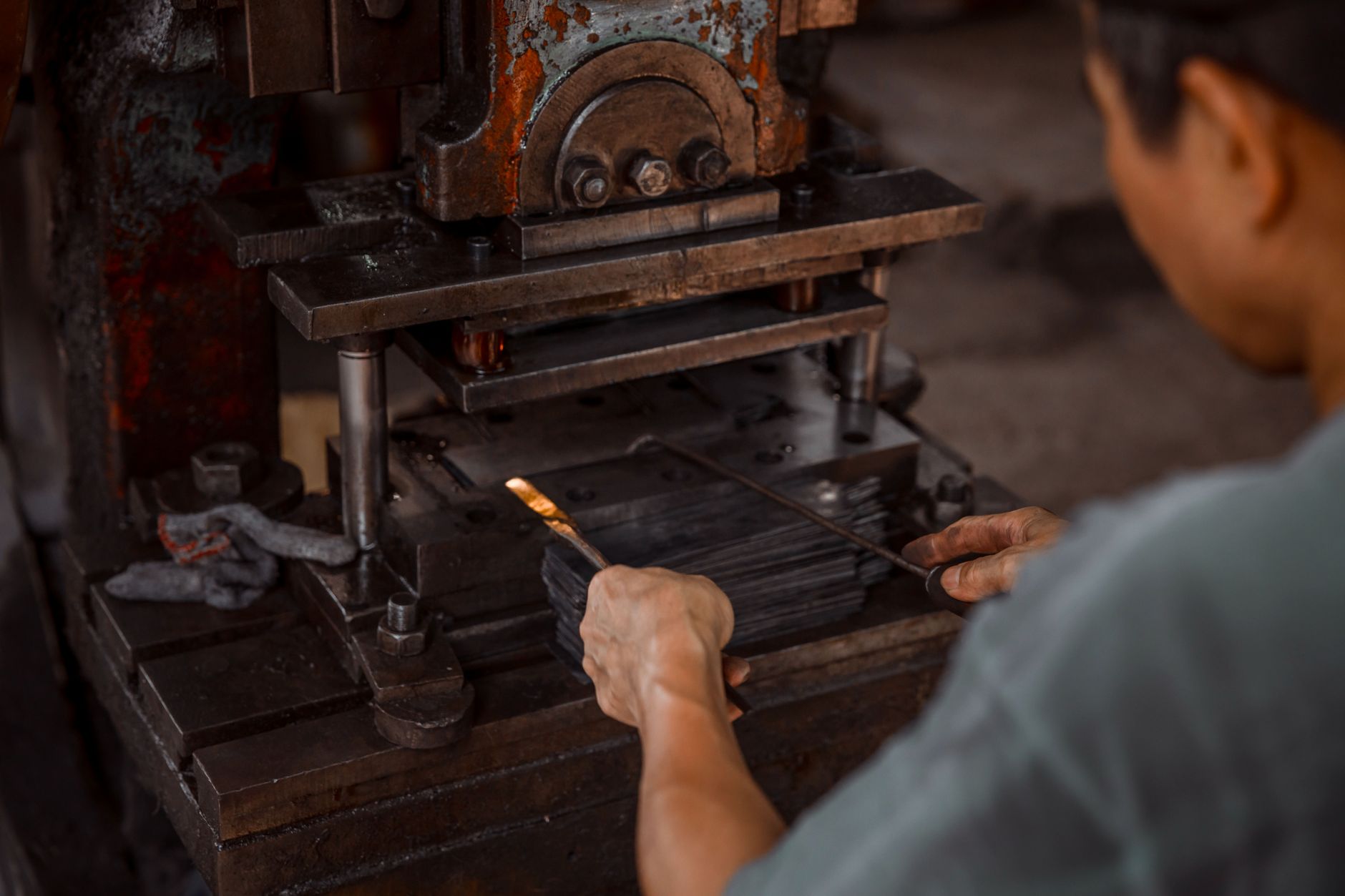
Faster cycles and steadier forming
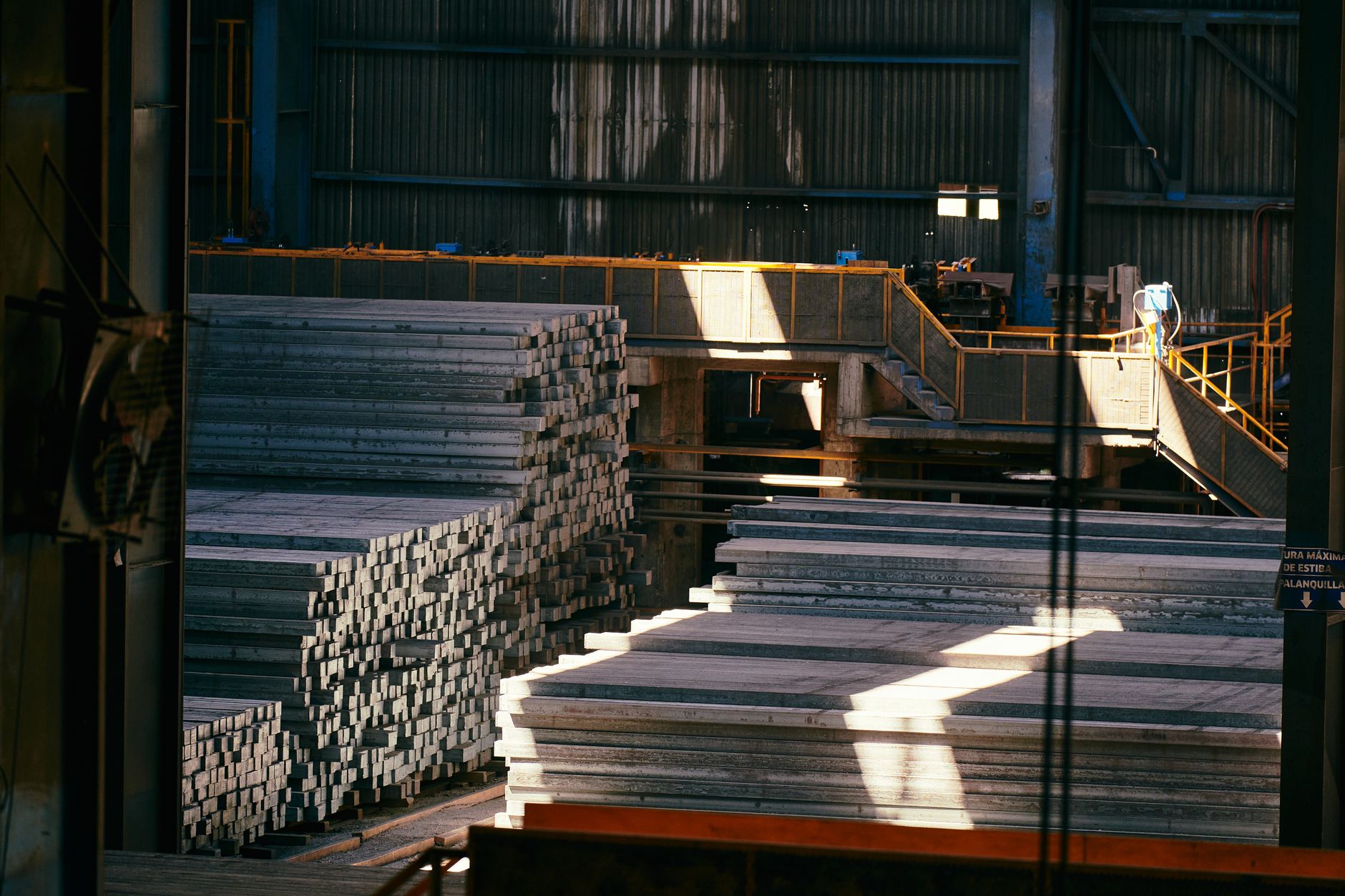
Published results report cycle time falling from five minutes to one minute per part, a fivefold gain in forming pace on the coupler line. Throughput rises without adding people to the highest-risk lifts.
Removing two to three operators from each heavy handling cycle cuts ergonomic exposure on 120-pound parts. The robot owns lifting and transfer, which the case cites as improving production quality and consistency versus manual positioning.
What trailer and heavy fab shops can plan for
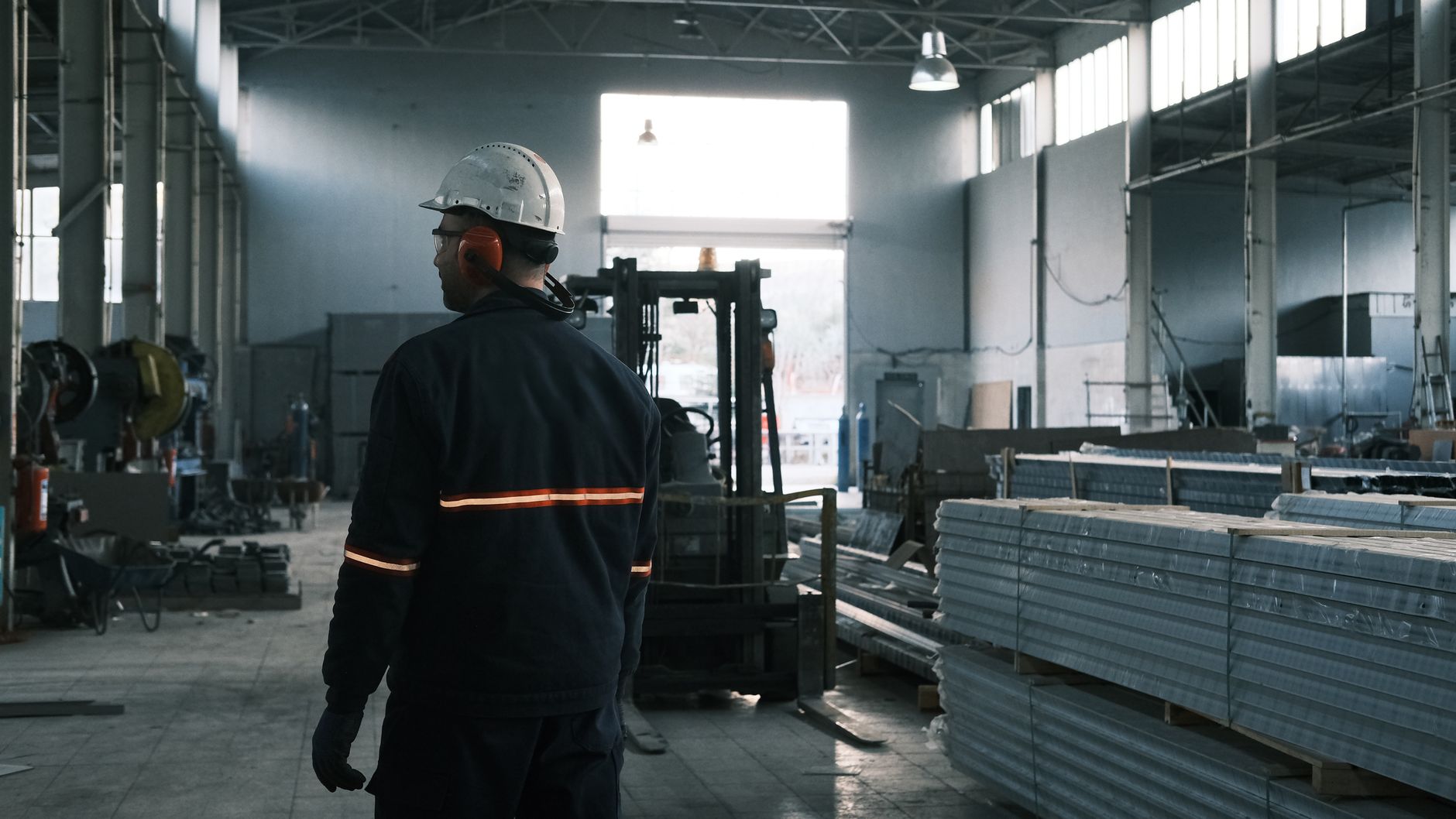
When a single press step gates trailer output, machine tending robots earn their keep by shrinking cycle time and keeping people off the heaviest lifts. Service Robot Co. is vendor neutral: we match the right heavy-payload arm and tooling to your press line, then finance, deploy, integrate, train, and service through regional engineers in all fifty states.
A manufacturing plant robot rental or cobot rental pilot on one forming cell lets you prove the one-minute cycle before you scale. One partner and one number covers site assessment, go-live support, maintenance plans, and emergency dispatch when uptime matters on a high-tonnage line.