a U.S. commercial-trailer manufacturer
How a Trailer Plant Cut Heavy-Part Forming from 5 Minutes to 1
A U.S. trailer plant cut coupler forming from 5 minutes to 1 per 120-pound part, pulling 2-3 operators off the highest ergonomic risk task with a heavy-payload robot cell.
- 5→1 min
- Cycle per part
- 120 lb
- Part weight
- 2-3
- Operators freed
- 750 ton
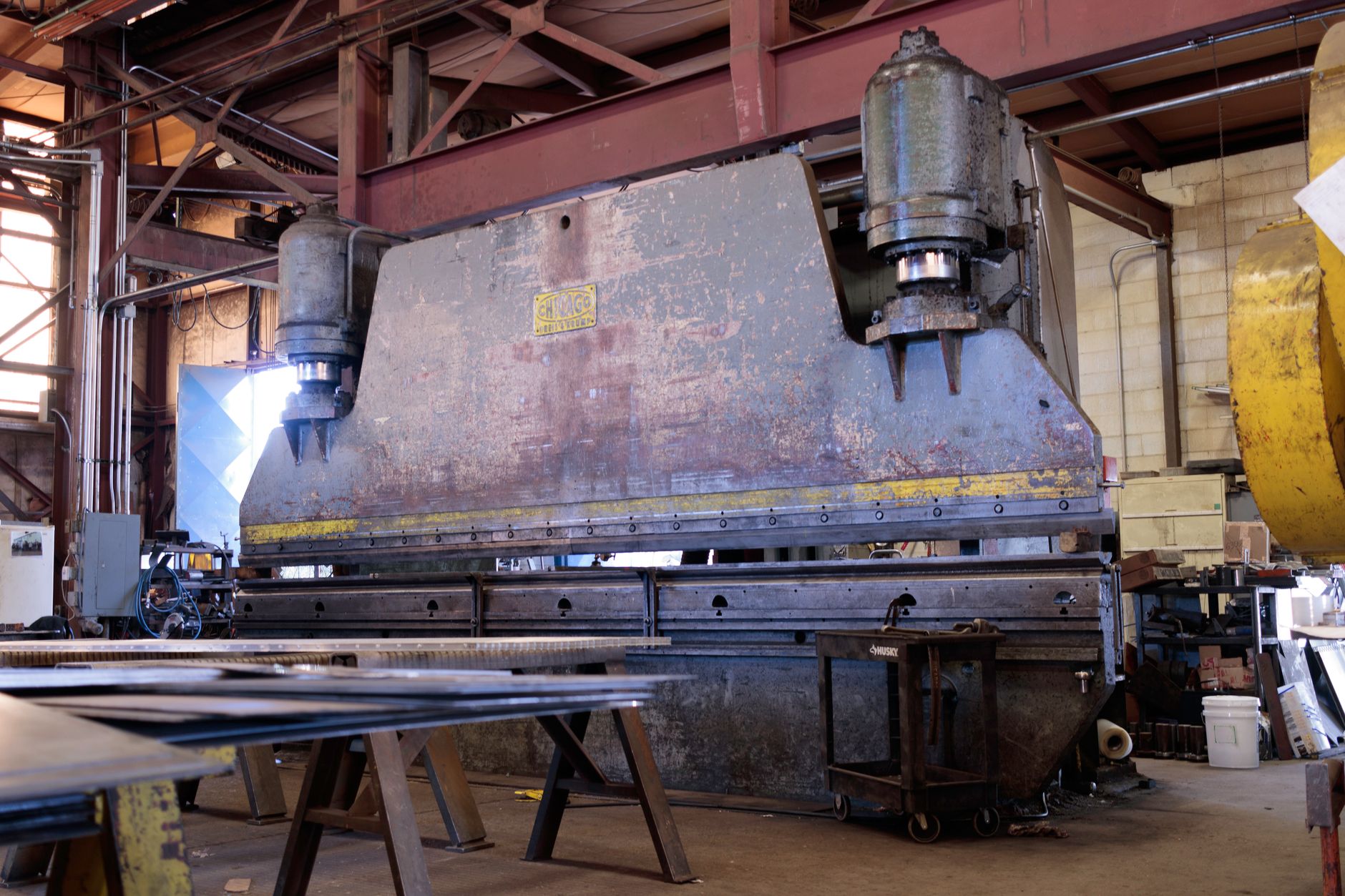
- Forming press
Based on a documented real-world deployment. Figures are from public reporting; the organization is not named.
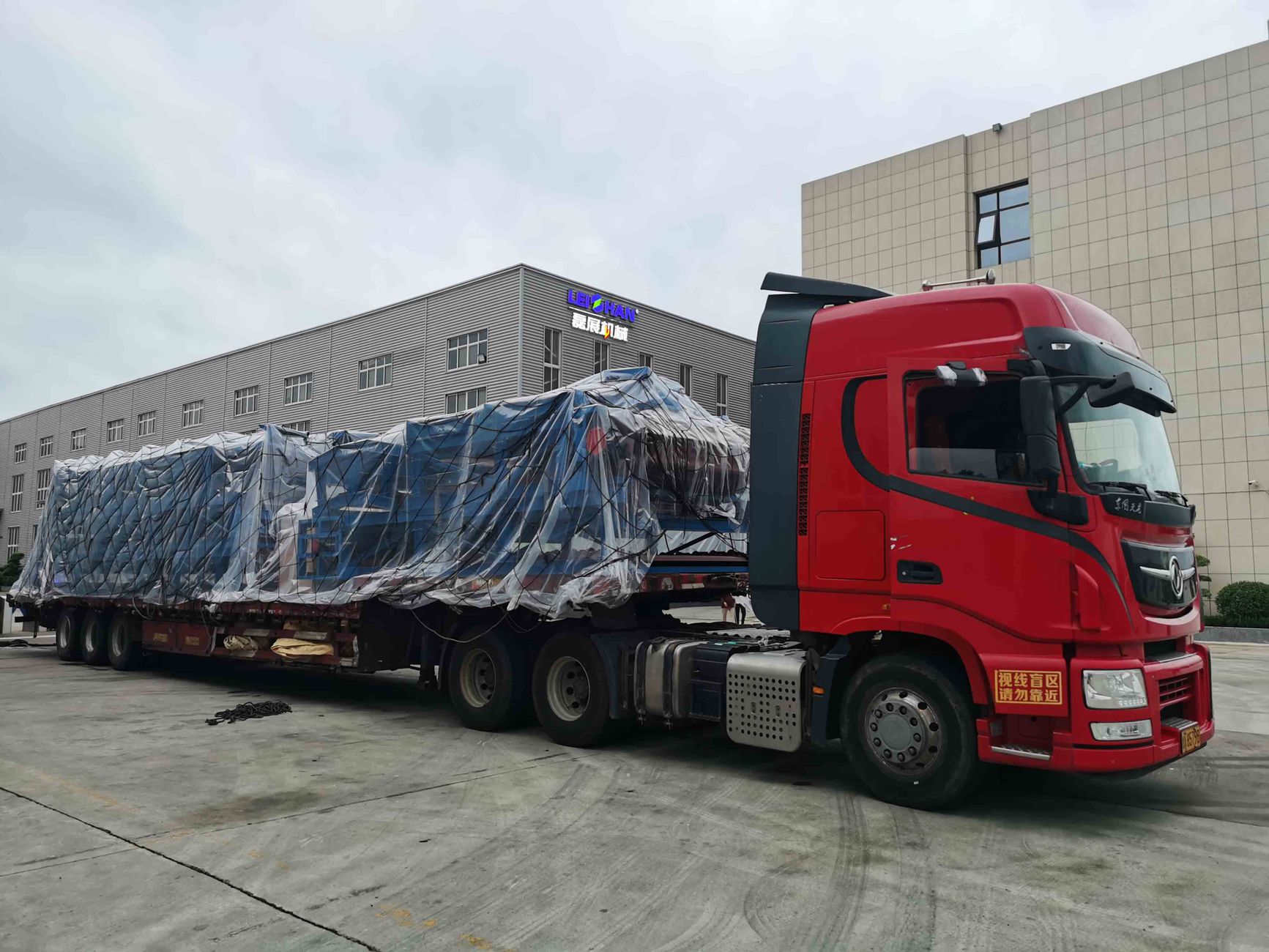
Heavy coupler blanks on a tight line clock
A U.S. commercial-trailer manufacturer forms large structural pieces for coupler assemblies from heavy gauge steel. Each cycle moved 120-pound blanks through lifting, squaring, press transfer, and finished-part placement.
The manual routine needed two or three operators every cycle and ran about five minutes per part. The strain of handling 120-pound pieces made the task one of the highest ergonomic risk jobs on the floor while capping how many coupler components the line could finish in a shift.
- 120-pound parts demanded repeated lifts and awkward reaches
- Two or three operators stayed tied to each five-minute cycle
- Throughput and quality both depended on fatigued manual handoffs
Heavy-payload robot integrated to the press line
The plant replaced the manual sequence with a heavy-payload industrial robot cell built around lifting, orienting, and transferring each blank through a high-tonnage press and onto outbound pallets. Vacuum end-of-arm tooling carried parts from inbound stacks through positioning and forming without operators under the load path.
A gravity squaring table set blank orientation before the press stroke so every sheet entered the 750-ton forming press consistently. The robot managed inbound pickup, press transfer, and finished-part placement as one repeatable loop rather than a crew choreographing lifts between cycles.
- Map inbound, press, and pallet handoffs for the heaviest blanks
- Prove vacuum tooling and squaring on production gauge steel
- Train maintenance and production on robot stops and press interlocks
Measured cycle and safety gains
Robotic handling cut cycle time from five minutes to one minute per 120-pound coupler component in the published deployment, a fivefold gain in parts per hour on that forming step alone.
Removing operators from direct handling of 120-pound parts eliminated one of the highest ergonomic risk tasks documented on the floor. With the robot controlling lifting, positioning, and transfer, production quality and throughput both improved because the motion profile stayed identical cycle after cycle.
What heavy forming lines can borrow
Trailer and heavy equipment fabricators with press-bound forming steps are strong fits for vendor-neutral heavy-payload robot rental or a month to month robot lease once one bottleneck station is mapped. Service Robot Co. selects the right robot class for your tonnage and reach, then finances, integrates, trains, and services the cell through a nationwide engineer network.
A phased manufacturing plant robot rental pilot on the highest strain forming loop lets you prove five-minute to one-minute style cycle gains before you expand. Free site assessment and go live support should start where 120-pound handoffs still dictate staffing, because that is where labor and injury risk drop fastest.