
a Turkish third-party logistics provider
A Turkish 3PL Cuts Sorting Error Rate From 10% to 0.01% as Throughput Triples
A Turkish 3PL raised sortation throughput from 3,000 to 10,174 pieces per hour and cut its sorting error rate from 10% to 0.01%, per the supplier's account.
Deployment at a glance
- 10,174
- Pieces per hour, up from 3,000
- 0.01%
- Sorting error rate, down from 10%
- 60%
- Labor cost cut, as reported by the supplier
- Dec 2025
- Final implementation after planning from late 2024
Based on a documented real-world deployment. Figures are from public reporting; the organization is not named.
A sorting floor that could not keep pace
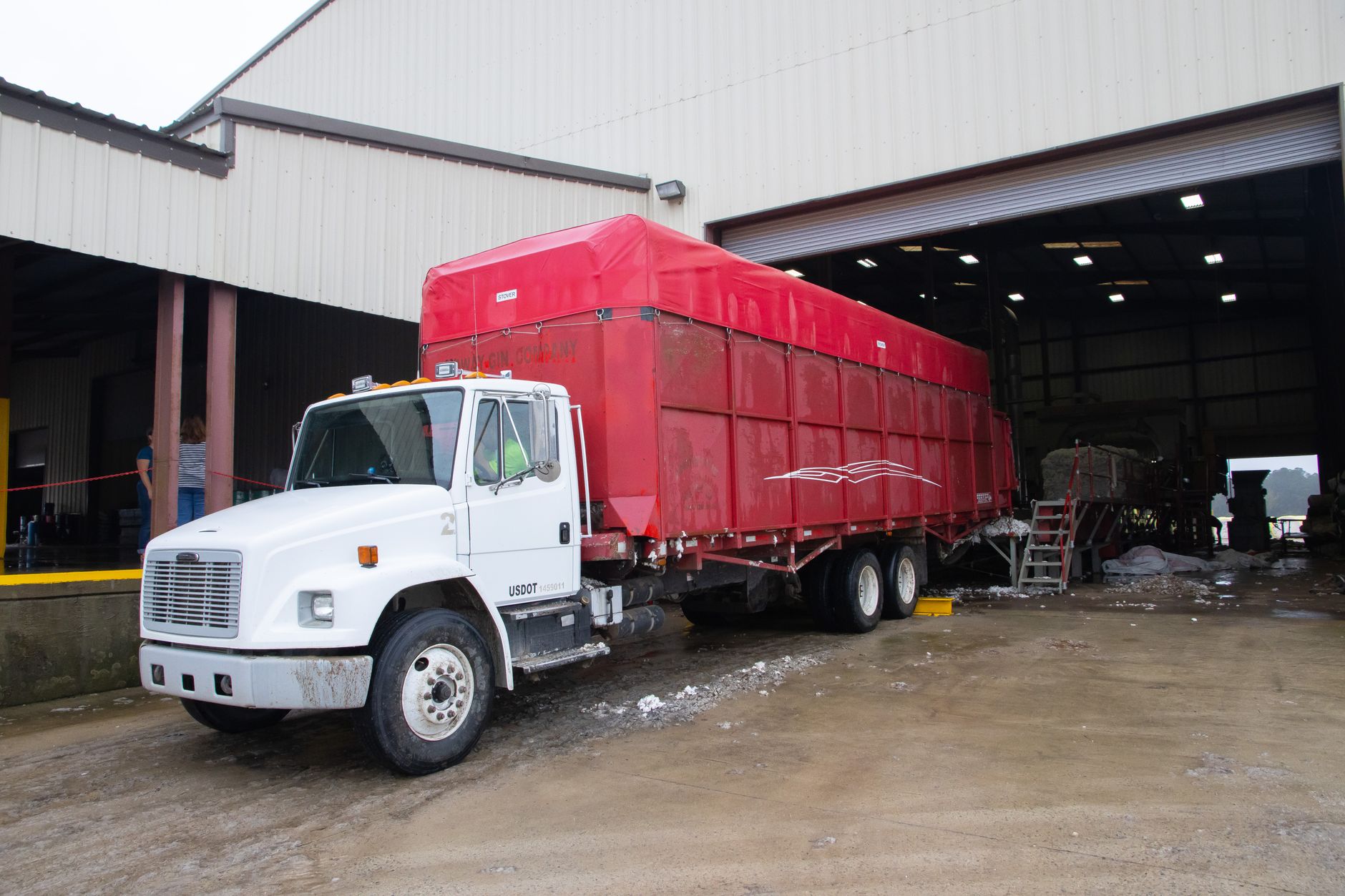
A third party logistics operation lives or dies on how quickly parcels reach the right outbound lane. For this Turkish 3PL, sorting throughput sat at 3,000 pieces per hour, and that rate set the ceiling for everything downstream of the sort.
Speed was only half of the pressure. A sorting error rate of 10% meant that one piece in ten reached the wrong lane, which triggered re-handling, delayed dispatches and extra labor to find and correct each mistake.
Manual handling at that error rate also pulled people toward corrections and away from flow. Labor cost followed the errors, since each one needed someone to find it and fix it.
A sortation loop, planned from late 2024
Planning for the project began in late 2024. The system that came out of it is a sortation loop built around carriers, which keeps parcels circulating on a defined path until they reach their assigned destination.
Final implementation went live in December 2025, roughly a year after planning began. The project ran from design through final implementation, with the loop integrated into the existing sorting operation.
- Planning began in late 2024
- Sortation loop of carriers designed and integrated
- Final implementation completed in December 2025
Throughput tripled and errors fell to one in ten thousand
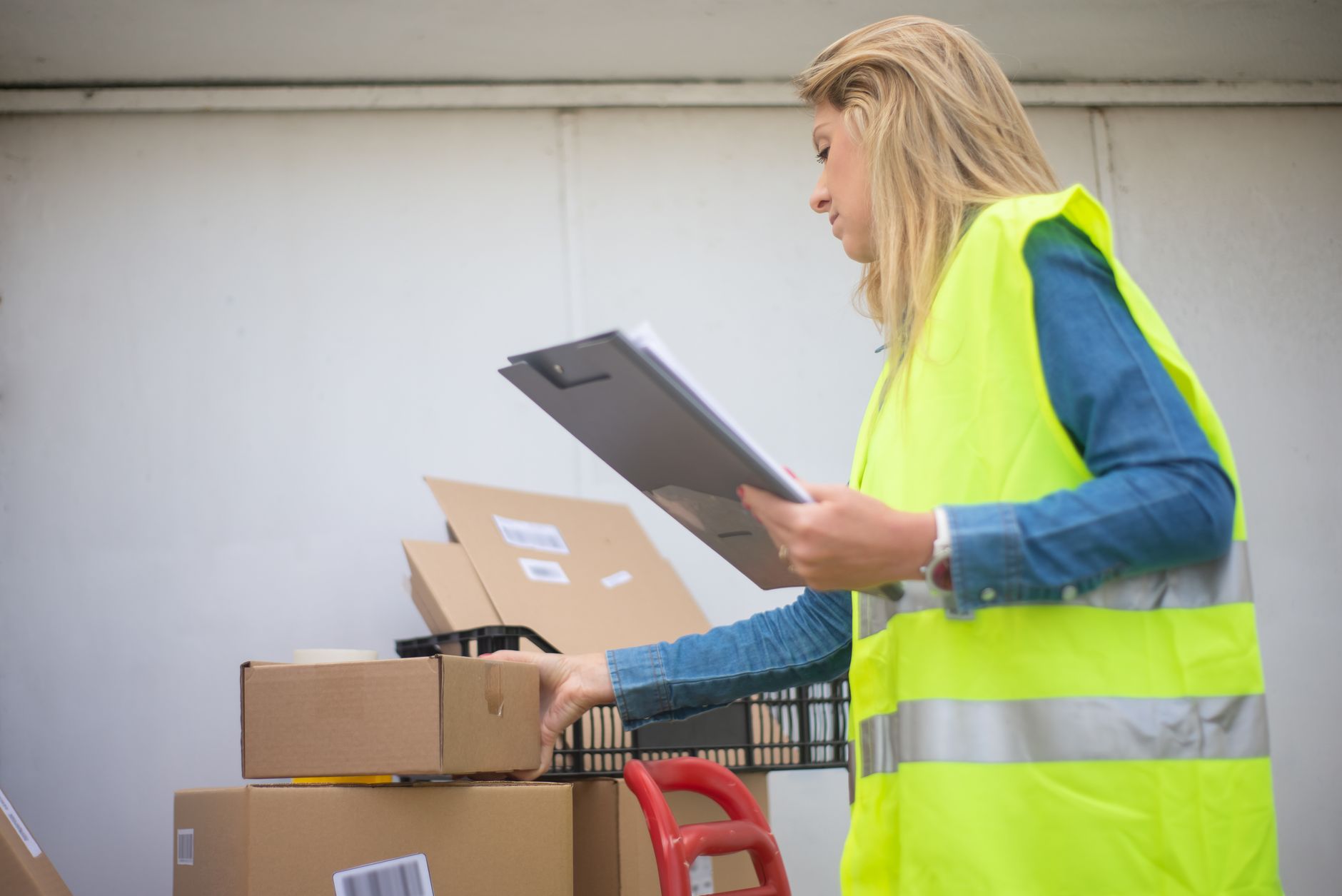
Throughput rose from 3,000 to 10,174 pieces per hour, more than three times the starting rate. The sorting error rate fell from 10% to 0.01%, which means one piece in ten thousand went astray where the operation once saw one in ten.
The robot supplier also reports a 60% reduction in labor cost, which is the figure most finance teams will ask about first.
What this means for your sorting floor
This deployment belongs to a Turkish 3PL, and Service Robot Co. did not run it. It still shows the sequence a sortation upgrade should follow: a measured baseline, a layout matched to the flow of parcels, and a rollout scheduled around the operation.
Service Robot Co. is a vendor neutral robot integrator for US businesses. We select robots across manufacturers, then handle financing, deployment and integration, training and service through a nationwide US engineer network, so one partner covers the whole lifecycle. Financing runs as commercial robot leasing, with a lease term of 3 years and one fixed payment quoted after a site assessment.
For a sortation project, that site assessment comes first, because throughput and accuracy depend on the layout, parcel mix and volume of each facility. Go live support and remote triage follow, so problems get handled quickly once the robots start running.
Frequently asked questions
Want a robot working for you?
Tell us the job and the site. We will recommend the robot, quote the lease, and keep it serviced.