a 300-TPD material recovery facility in the Bay Area
Bay Area MRF Cuts Manual Labor 59% With AI Sorting Robots
A 300-TPD Bay Area recycling facility cut manual labor costs 59% with AI sorting robots, improving uptime and payback without a rebuild.
- 59%
- manual labor savings
- >99%
- uptime on shift
- 3 mos
- payback on first cell
- 500,000+
- non-recyclables removed
Based on a documented real-world deployment. Figures are from public reporting; the organization is not named.
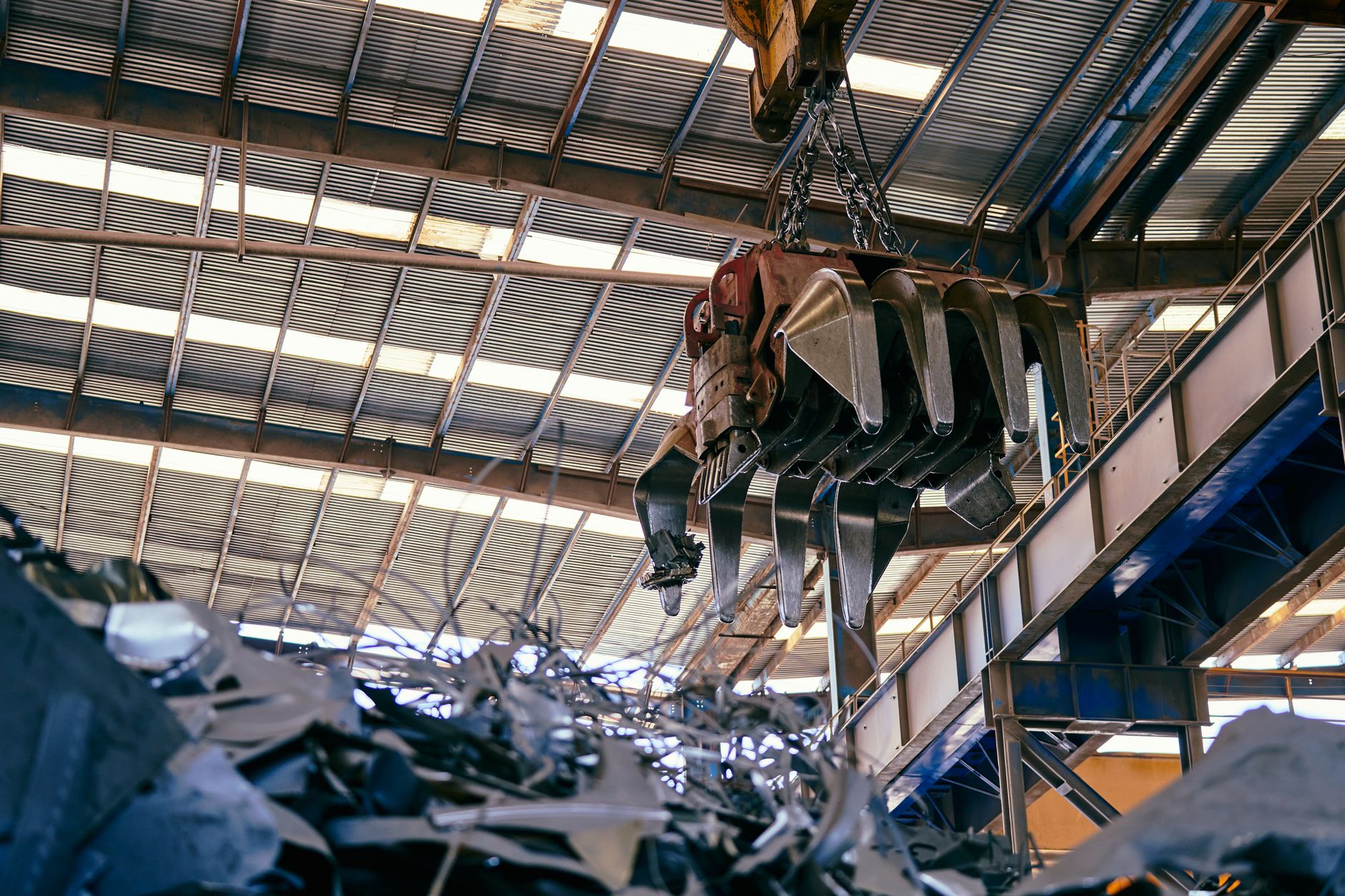
Labor Strain on a Fast Line
This facility was moving about 300 tons per day across two shifts, five days a week. That kind of volume punishes any weak point in staffing, and the weak point here was manual sorting on a critical quality control line.
The plant was dealing with high turnover, safety concerns, and the difficulty of keeping the operation fully staffed. With a fully loaded labor cost of about $85,000 per person per year, the staffing gap was not just a hiring problem. It was an operating-cost problem that also showed up in bale consistency and landfill leakage.
- High turnover made full staffing hard to sustain
- Safety concerns added pressure to already difficult sorting jobs
- Inconsistent staffing hurt sort quality on a valuable aluminum QC line
- The plant needed better recovery without rebuilding the facility
A Targeted Robotic Sort Retrofit
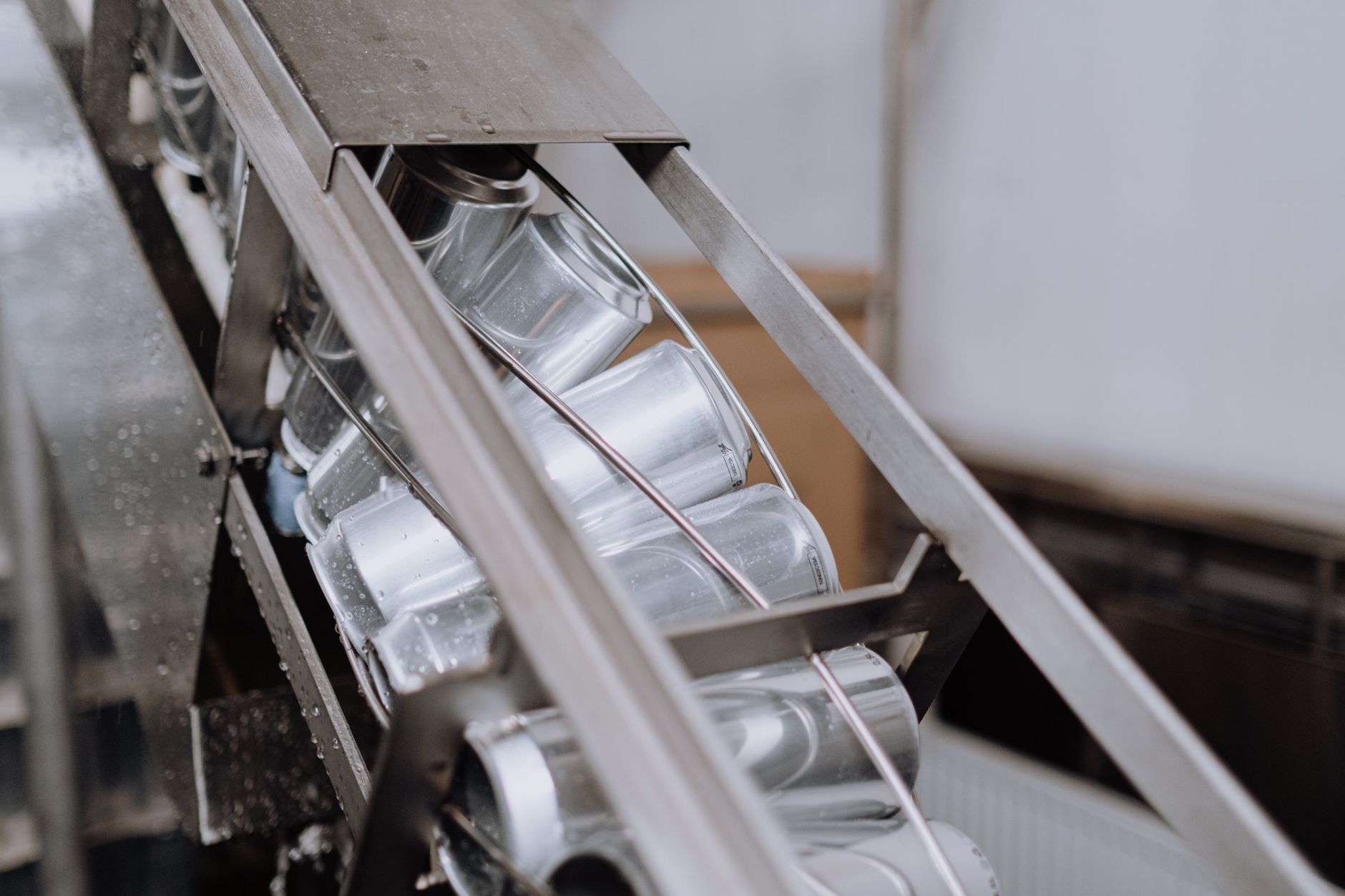
In the documented deployment, the first robotic cell was not dropped in as a broad plantwide overhaul. It was placed on the aluminum QC line, identified as the most valuable point to attack first, which kept the rollout narrow, measurable, and operationally sensible.
The installation itself took only a few hours before the system was running. Just as important, the robot was backed by remote monitoring around the clock, so the plant did not need to assign someone to babysit the cell during operating hours.
That pattern matters. In recycling, the best robot deployment and integration work usually starts with one line, one bottleneck, and one clean proof point. Then the plant expands from evidence, not from hope.
- Assess the line where recovery value and labor pressure overlap
- Install the first cell on a high-value QC position
- Use phased deployment with no shutdown of the full plant
- Support the system with remote triage, monitoring, training, and follow-through
Measured Gains on Labor, Recovery, and Uptime
The headline result was a 59% reduction in labor costs on the targeted line. That alone is a serious operating shift for a facility running two shifts, especially when turnover and hiring friction have already made manual coverage unreliable.
Performance held up as well. The robot logged more than 99% uptime during operating hours and removed over 500,000 non-recyclable objects from the aluminum QC line. The facility also reported payback within 3 months on the first system.
The story did not stop at one cell. After that first payback window, the plant added 3 more systems on its PP5, PET QC, and HDPE lines. Over 3 years, those robots picked 28,588,759 objects without any need for major maintenance or downtime.
What This Means for Operators Evaluating Automation
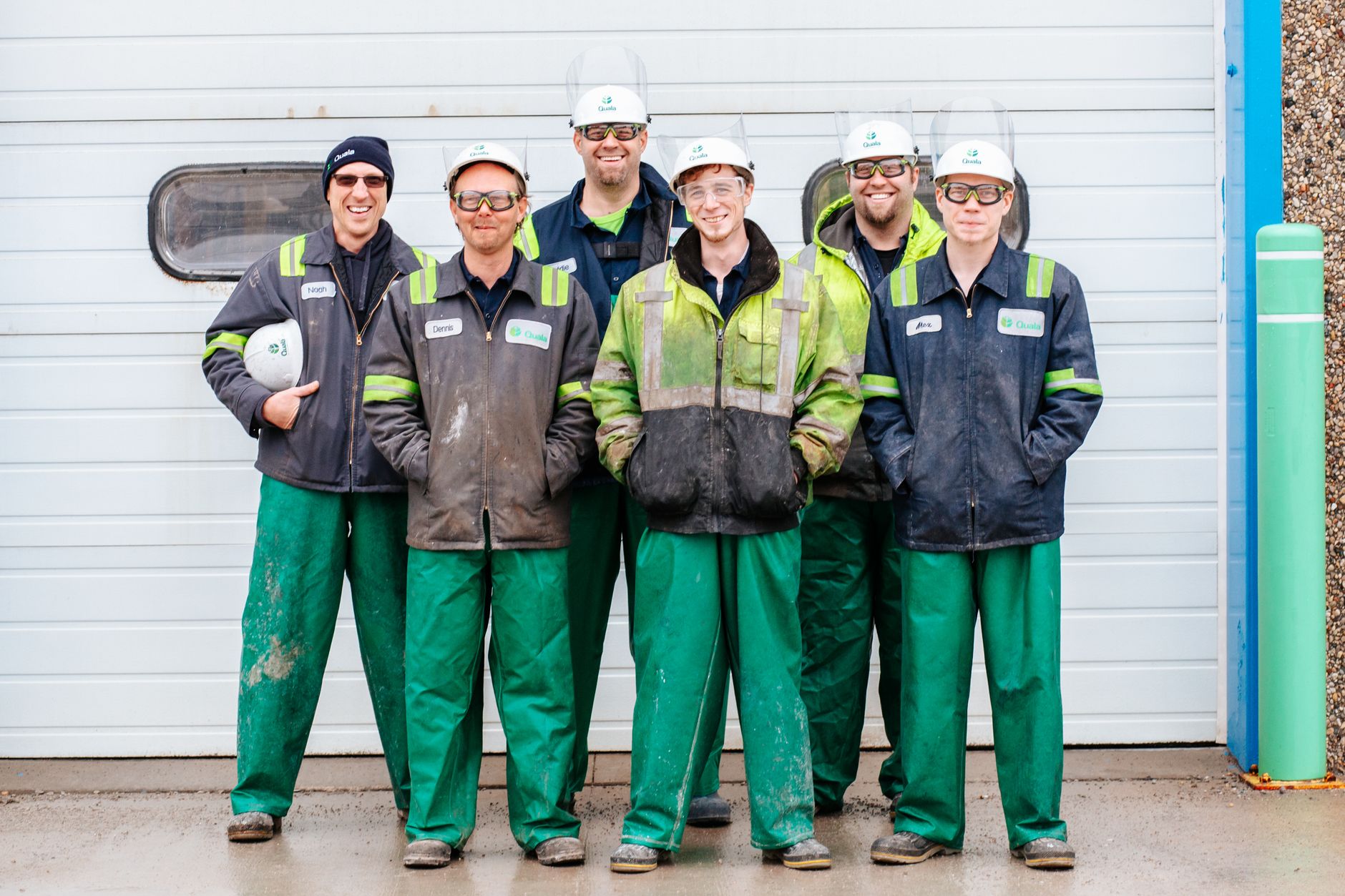
This is the real appeal of ai sorting robots in recycling. You do not need a full rebuild to change the economics of a line. A well-scoped retrofit can steady staffing, tighten sort quality, and recover more value from the conveyor you already own.
For companies that want that outcome without becoming their own robotics department, Service Robot Co. acts as a vendor neutral robot integrator and one partner for the full lifecycle. We help select the right system across manufacturers, structure robot leasing for business or robot as a service when that fits, handle robot deployment and integration, train the floor team, and back the fleet with nationwide service. One partner, one number, and a rollout shaped around the realities of a live plant.