a U.S. semiconductor fab serving automotive and appliance markets
How a U.S. Semiconductor Fab Automated 40+ Miles of Internal Transport
A U.S. semiconductor fab automated more than 40 miles of internal material movement per product lifecycle with seven AMRs and steadier flow.
- 40+ miles
- Internal movement automated
- 7 AMRs
- Fleet deployed
- 1 lifecycle
- Per product lifecycle
Based on a documented real-world deployment. Figures are from public reporting; the organization is not named.

When Skilled Labor Is Spent on Walking
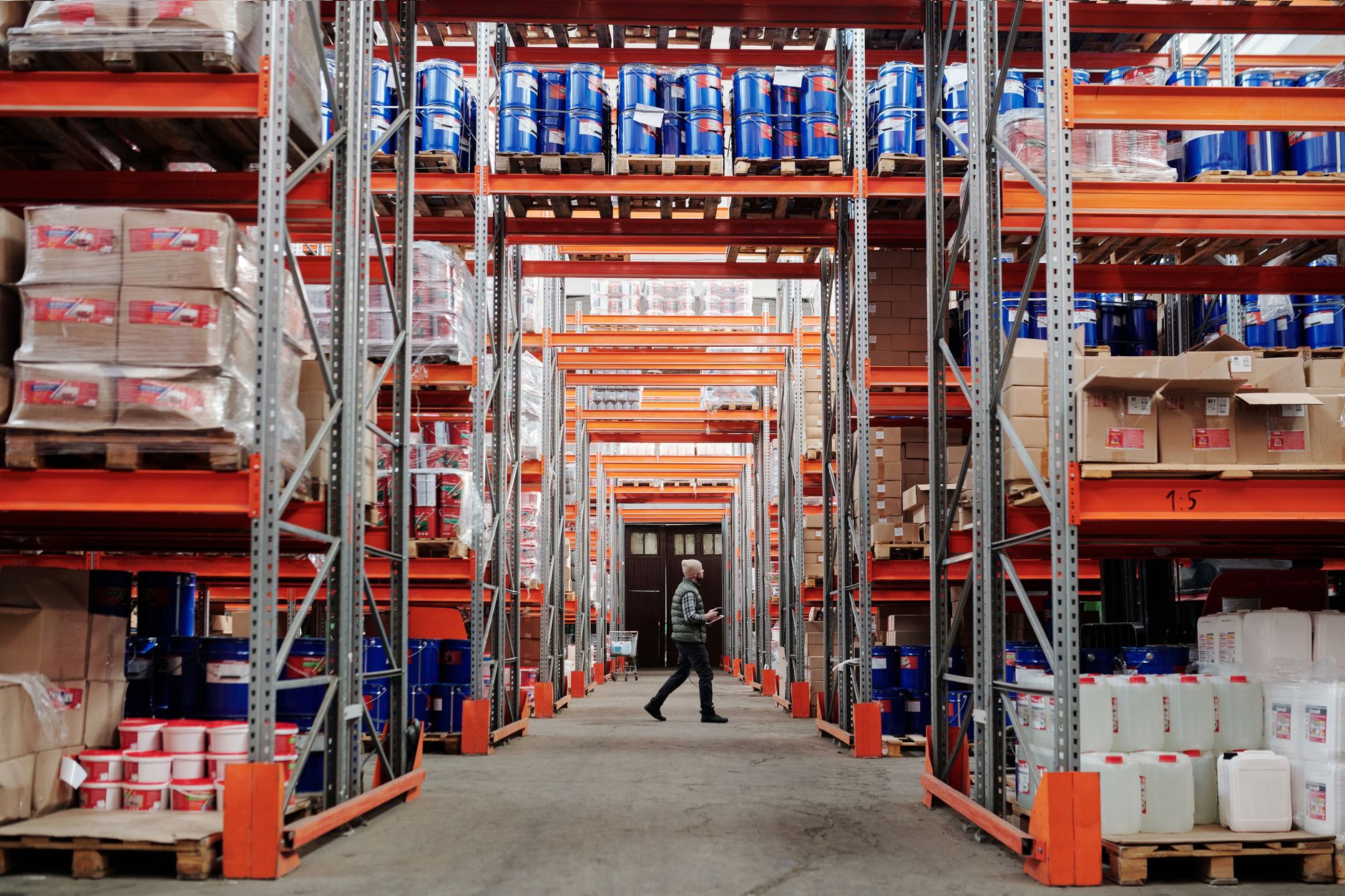
At this U.S. semiconductor fab serving automotive and appliance markets, internal material movement had quietly become a production drag. Across a single product lifecycle, operators were covering more than 40 miles inside the plant just to keep work-in-progress and materials moving.
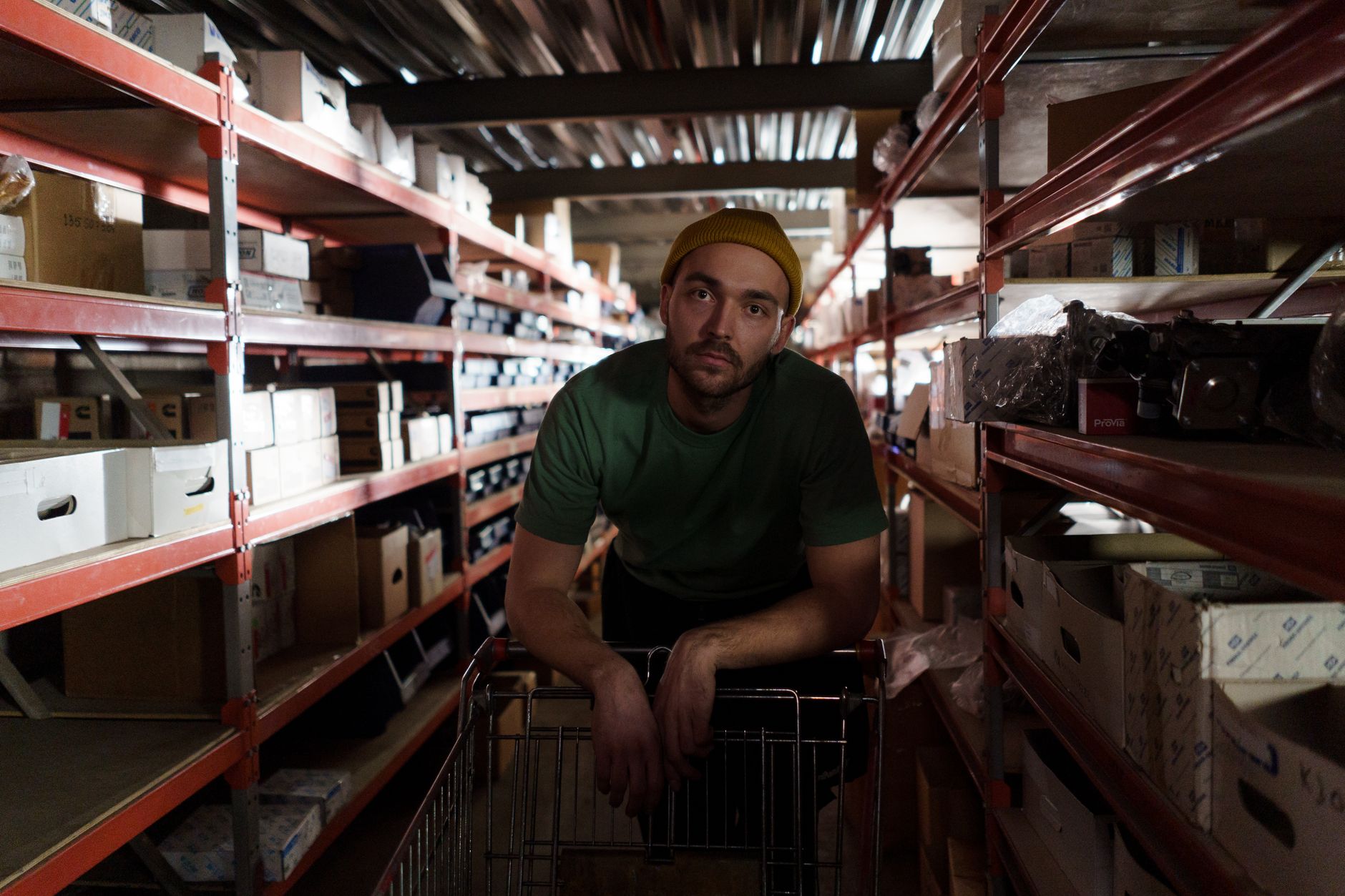
That kind of transport work is necessary, but it is not where scarce fab talent creates the most value. Skilled operators were being pulled away from equipment and core process work, material flow was less even than it needed to be, and expansion threatened to pile even more walking-intensive work onto the same team.
- Repetitive transport runs inside the facility consumed operator time
- Manual movement slowed production flow across the plant
- Growth created pressure to expand throughput without adding more walking-heavy work
A Fleet Built Around Internal Logistics
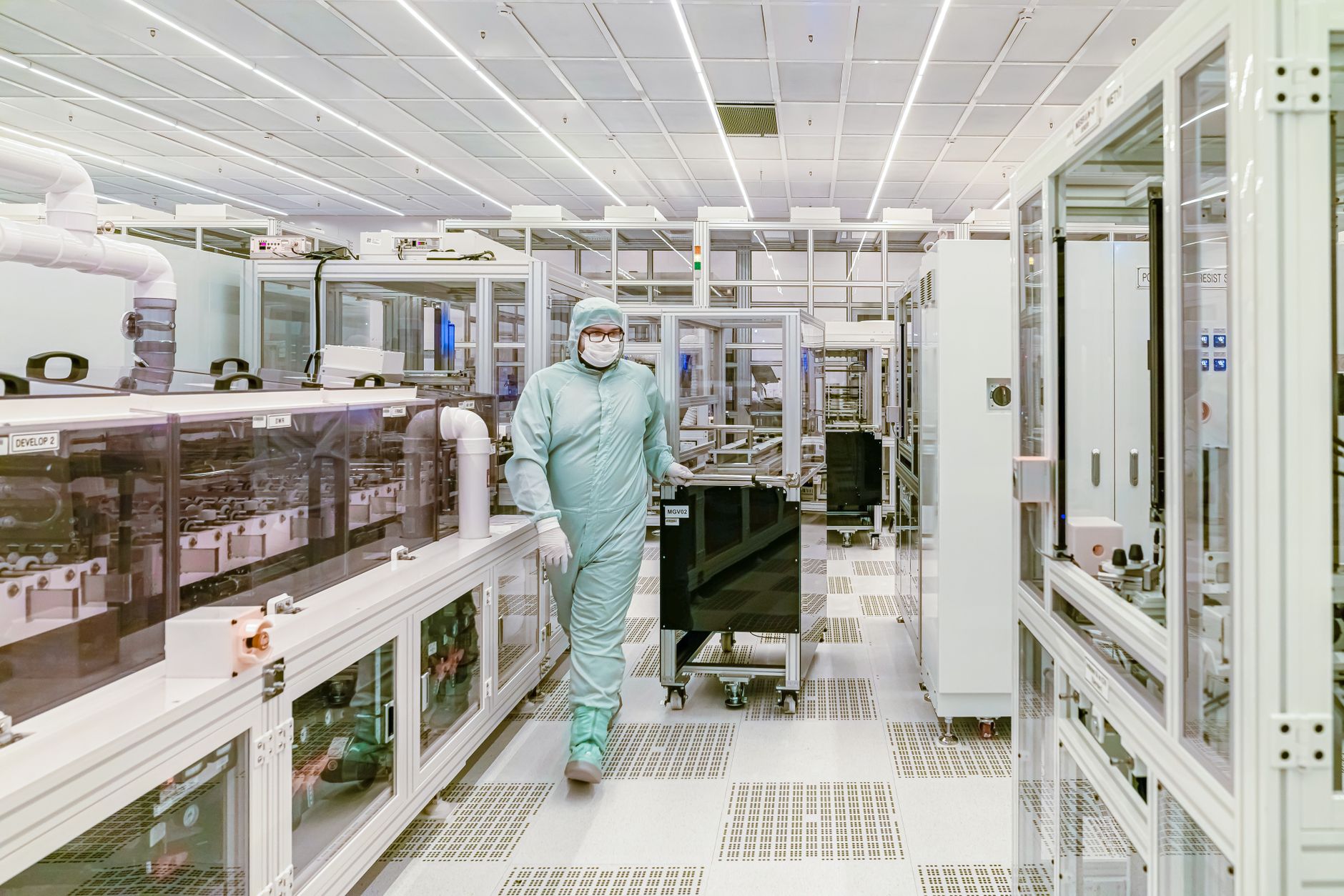
The published case study describes a phased autonomous mobile robot rollout centered on internal logistics, not headline grabbing automation theater. The facility was mapped and simulated first, then a seven-unit AMR fleet was introduced to move materials from central storage to production lines in a live, changing factory environment.
That sequence matters in semiconductor manufacturing. Material handling robot rental, autonomous mobile robot rental, or a lease rental or sale program only earns its keep when routes, traffic patterns, handoff points, and operator routines are worked through before go live. Here, the emphasis was practical repetitive transport automation that fit the fab floor as it already operated.
Operator acceptance was part of the deployment story as well. Early hesitation eased once the robots started taking over the long walks and repetitive trips, leaving people closer to the tools and production steps that actually required their judgment.
- Map and simulate facility traffic before deployment
- Assign AMRs to storage-to-line material transport runs
- Phase robots into daily operations so staff can adapt around real workflows
- Support the change with training, route tuning, and ongoing service discipline
A Clear Before and After in Material Flow
The measurable headline is straightforward and substantial. More than 40 miles of internal material movement per product lifecycle were automated, using a fleet of seven AMRs dedicated to autonomous transport inside the fab.
The operational effect went beyond distance. Material flow became smoother and more consistent, equipment stayed supplied with less dependence on manual walking, and operators were redirected toward higher-value production tasks instead of acting as full-time couriers between storage and the line.
Just as important, the fab gained a more scalable logistics model for future needs. Expansion no longer had to mean proportionally more foot traffic, more interruptions, and more skilled labor consumed by transport work that a mobile fleet could handle.
What This Means for Service Robot Co.
This documented example is useful because it shows where a vendor neutral robot integrator matters. Not because one robot can do everything, but because internal transport programs live or die on selection, site assessment mapping, robot deployment and integration, staff training, and service after launch. This is an analyzed industry case, not a claimed Service Robot Co. deployment.
Service Robot Co. is built around that full-lifecycle model for U.S. operators. We are a full-service, OEM-neutral commercial robot integrator that helps businesses choose the right platform across manufacturers, then finance, deploy, integrate, train, and service it through a nationwide engineer network. For a manufacturer considering AMR rental, manufacturing plant robot rental, phased deployment no shutdown, or a longer-term robot as a service path, the appeal is one partner and one number instead of a fragmented chain of vendors.
In a fab or any high-throughput plant, the machine is only part of the program. The harder work is fitting the robot to the floor, the traffic, the handoffs, the staffing model, and the uptime expectation. That is exactly where a commercial robot demo, a pilot, and lifecycle support become more important than the badge on the chassis.