an automotive die-casting plant in Tennessee
How a U.S. Die-Casting Plant Cut Hand Filing Up to 90%
An anonymized automotive die-casting plant used vision-guided finishing robots on trim presses and deflash cells, cutting hand filing about 85 to 90 percent.
- 85-90%
- Less hand filing
- 9 dies
- Per cast type
- 2 types
- One cell
- Fewer
- Comp claims
Based on a documented real-world deployment. Figures are from public reporting; the organization is not named.
Manual deflash could not keep pace
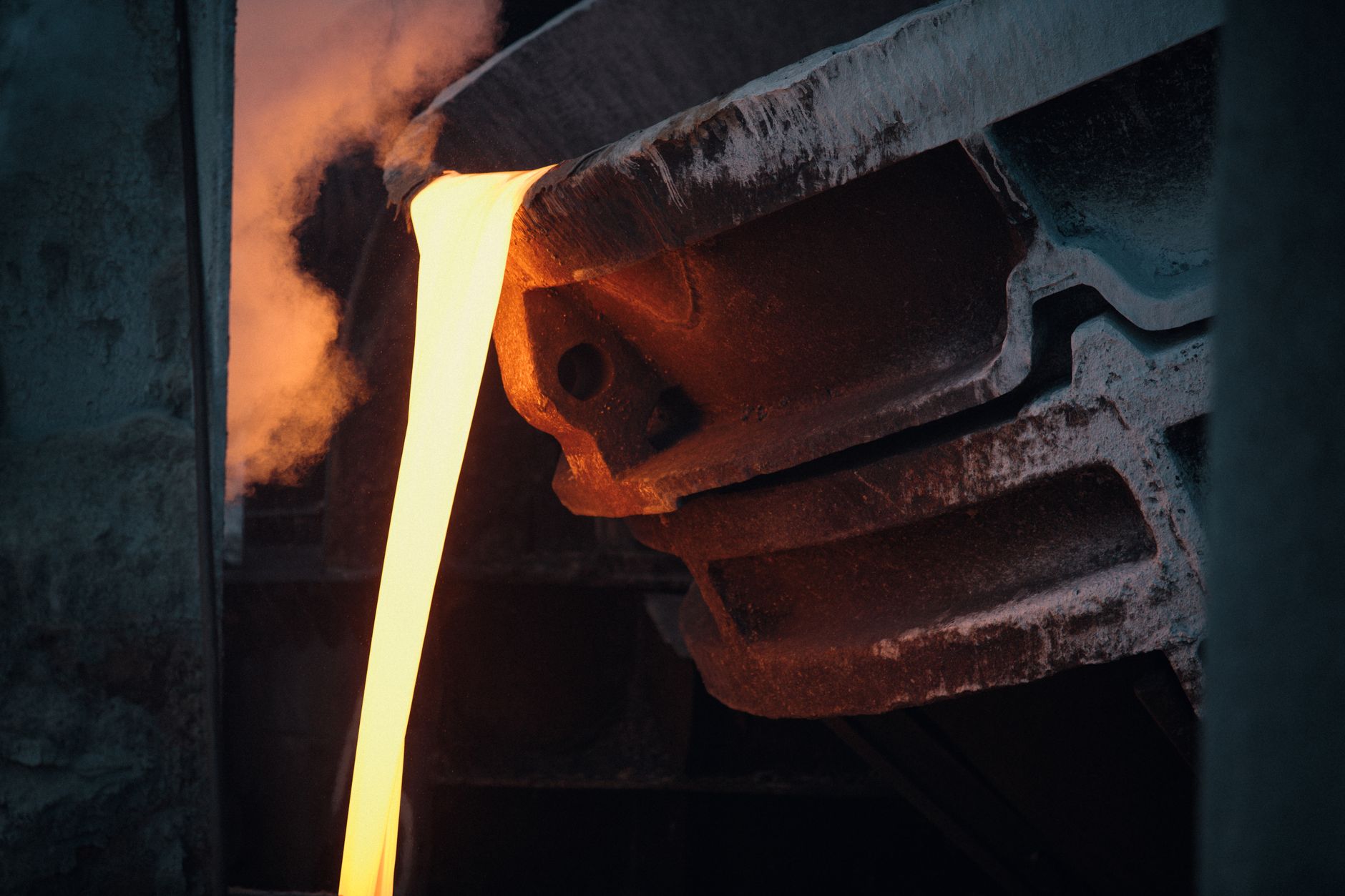
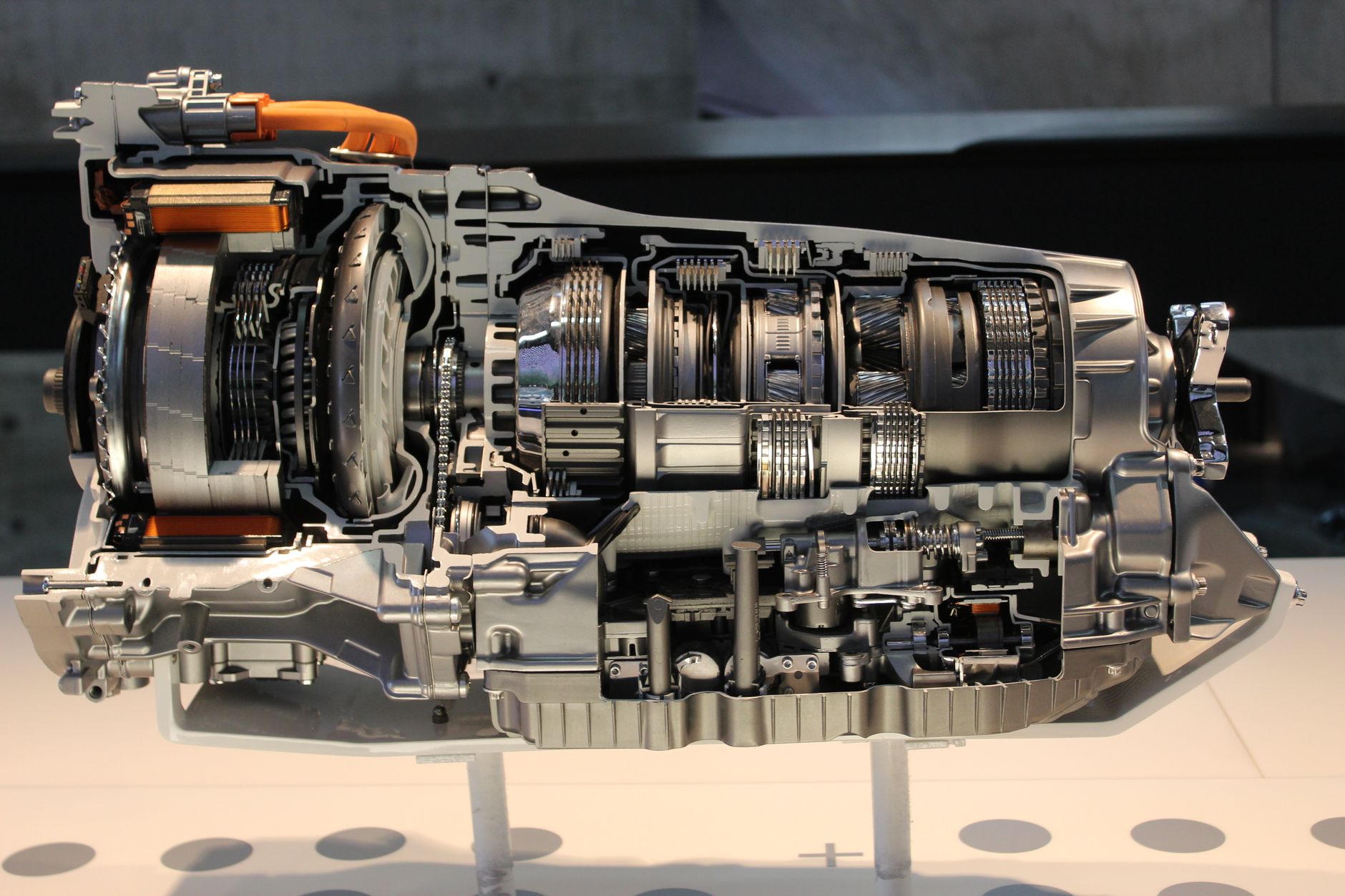
An automotive die-casting plant in Tennessee produced gearbox and transmission cases where workers filed flash by hand after trim and blast steps. Volume and part mix grew, but the finishing task stayed hot, dusty, and hard on wrists.
Quality drifted when fatigue set in, and workers compensation exposure tracked every slip with a file or grinder. Leadership needed repeatable deflash without rebuilding the whole line.
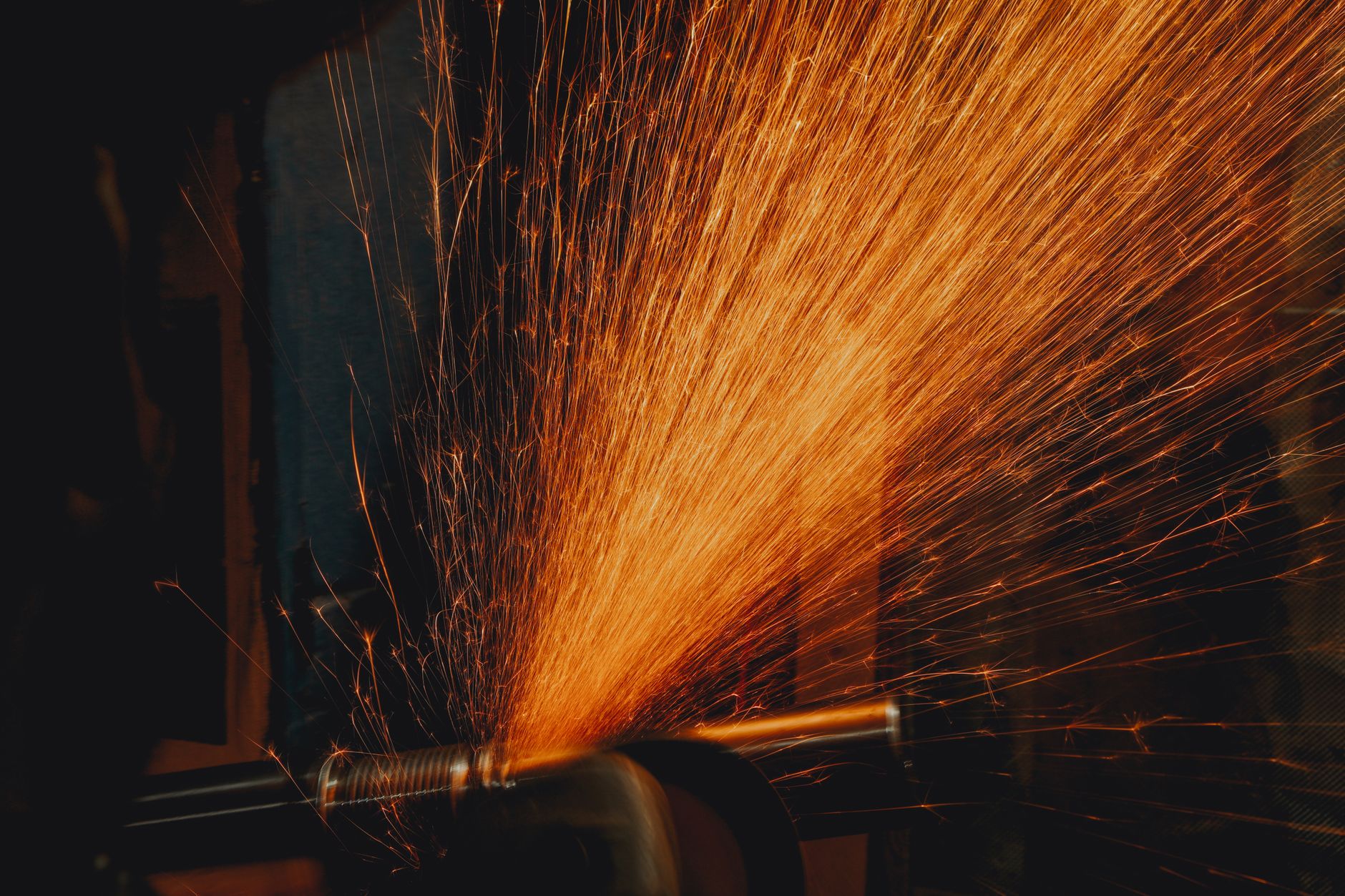
- Heavy hand filing on cast aluminum
- Multiple die numbers per part family
- Safety and consistency pressure
Vision-guided trim and finish cells
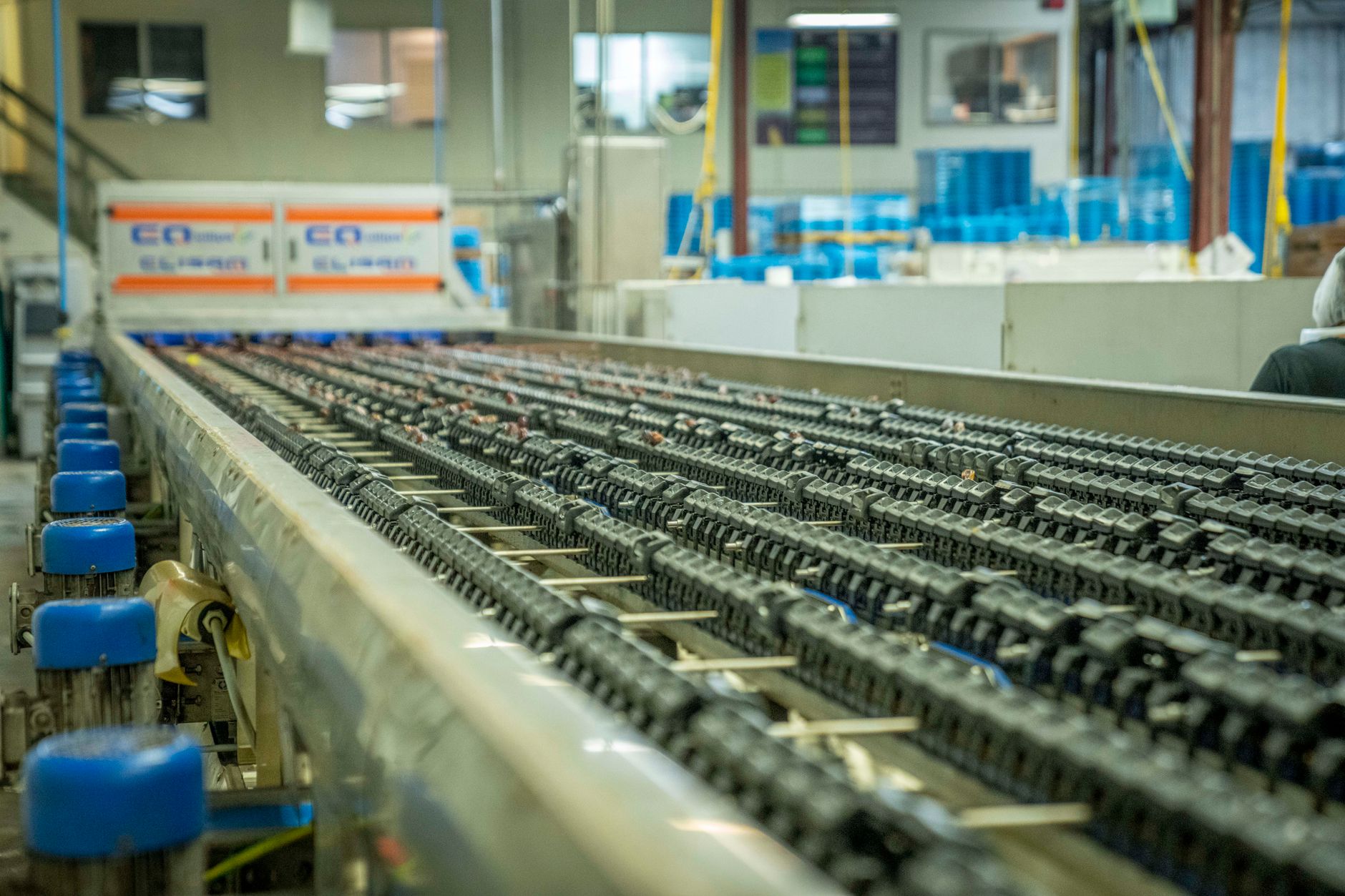
Integrators paired large payload robots with belt conveyors and trim presses. Each loader uses vision to locate castings before press cycles, then routes parts to finishing robots with dual end-of-arm tooling.
Finishing stations use paired cameras to read die numbers and select the correct deflash path for two casting families, each with up to nine die variants in one automated cell. Shot blast unload closes the loop back to outbound conveyors.
- Vision locate at trim press infeed
- Die-number routing to deflash tools
- Automated path through blast and outfeed
Measured shop-floor outcomes
Hand filing at the plant fell by approximately 85 to 90 percent after the cells went live. Flash removal became repeatable shift to shift, and fewer employees stood at grinding stations for full tours.
Safety metrics improved with fewer compensation claims tied to manual finishing. Flexibility held because the same cell finishes two casting types and multiple die numbers without tearing down fixtures between runs.
What metal casters can take away
Die casting lives or dies in post-process. When fettling stays manual, you pay in scrap, injuries, and takt time even if the press is fast.
Service Robot Co. did not build this Tennessee-area example. We help US foundries and tier suppliers pick vendor-neutral cobot rental or fixed cells, finance them, integrate vision and force control, train operators, and service the line nationwide. A pilot on one trim station can prove deflash time before you expand.