a U.S.-based grocery chain that in-sourced overnight aisle scrubbing with autonomous floor-cleaning robots across high-traffic stores
How a U.S. Grocer Hit 56% ROI in Month One With In-House Autonomous Scrubbers
A grocery chain brought autonomous aisle scrubbers in-house and reported 56% first-month ROI, about $288,000 in first-year savings, and steadier overnight floor care.
- 56%
- Month-one ROI
- $288K
- Year-one savings
- In-house
- Cleaning model
- AI nav
- Store traffic
Based on a documented real-world deployment. Figures are from public reporting; the organization is not named.
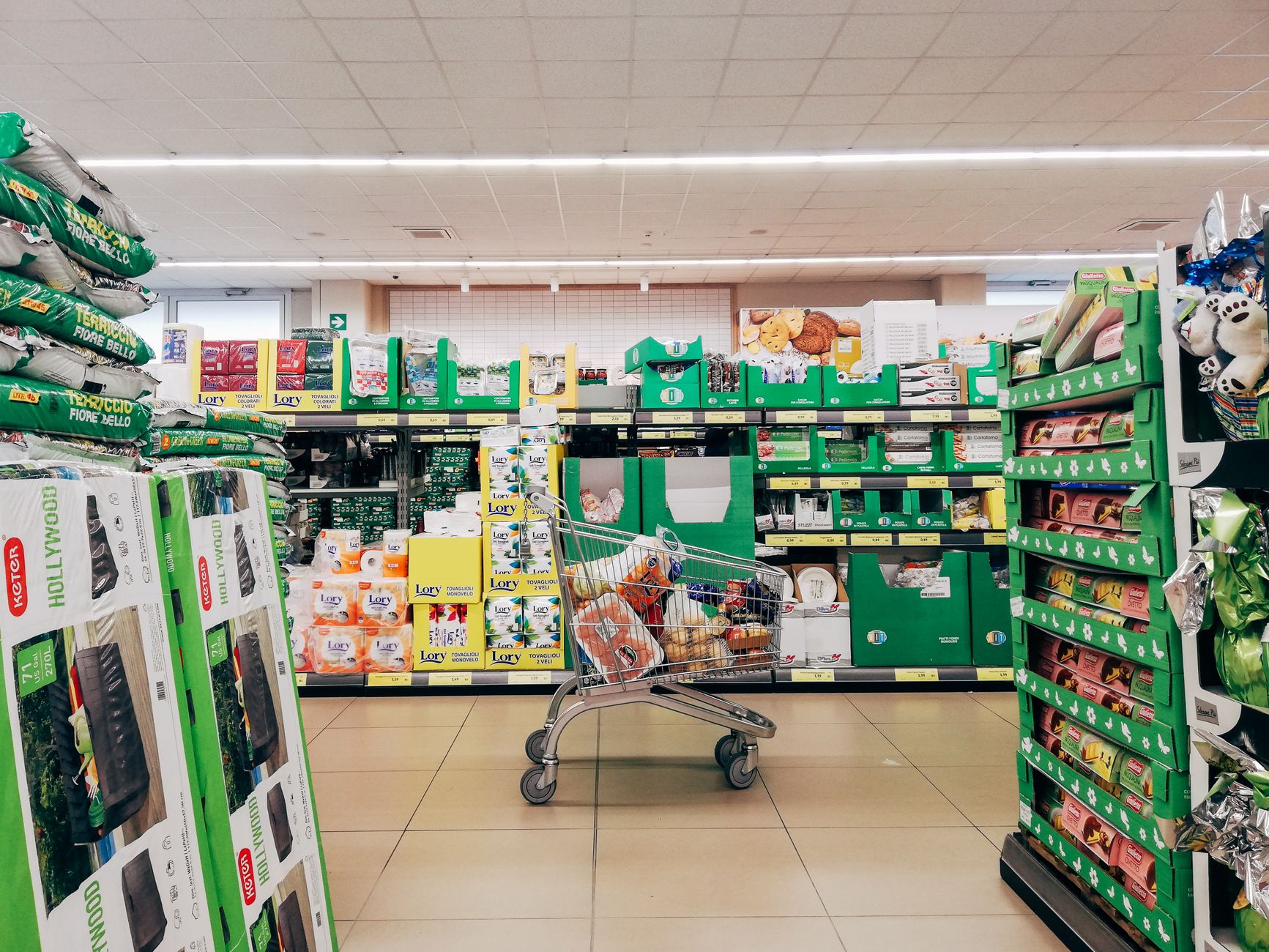
Overnight aisle care was costing more than it returned
A U.S.-based grocery chain faced climbing cleaning spend, uneven overnight results, and labor gaps that made it hard to keep high-traffic aisles ready for morning shoppers.
Outsourced night crews struggled with layout changes, persistent customer traffic during late resets, and the management overhead of coordinating multiple vendors store to store.
Leadership wanted a floor-care model that could stay in-house, hit a predictable budget, and free associates for customer-facing work instead of pushing scrubbers manually.
Autonomous scrubbers brought inside the chain
The grocer adopted autonomous floor-scrubbing robots it could operate directly rather than relying solely on contracted overnight labor. Navigation used machine vision to adapt when displays moved or shoppers cut through aisles during late hours.
Stores trained existing facilities staff to launch, monitor, and recover robots during resets instead of adding a parallel outsourcing relationship. Leadership tracked ROI monthly so finance could compare robot operating cost against prior cleaning invoices.
The rollout focused on repeatable overnight routes in front-end and grocery aisles where slip risk and appearance matter most at open.
- In-source scrubbing with autonomous machines
- Use vision-guided navigation through live store traffic
- Train in-house staff on run and recovery routines
- Review ROI monthly against prior contract spend
Published savings and payback speed

The chain reported about 56% return on investment in the first month after deploying the autonomous scrubbers, a payback signal leadership could show without waiting a full budget cycle.
First-year savings were cited at roughly $288,000 across the program as consistent machine runs replaced a portion of outsourced overnight labor and rework.
Coverage stayed steadier through layout tweaks because the robots could replan around obstacles instead of stopping until a crew arrived.
What grocers can take from this rollout
This program was run by the grocery chain and its robotics partners, not by Service Robot Co. The figures still frame the buying decision for anyone comparing commercial cleaning robot rental, lease, or purchase paths in retail.
Service Robot Co. stays vendor-neutral across autonomous scrubbers and sweepers, then folds finance, deployment, training, and nationwide service into one relationship. A free site assessment and overnight floor care pilot on one store wing let you judge ROI and aisle readiness before you standardize across a district.