
a UK e-commerce fulfilment provider
A UK Fulfilment Provider Adds 430 Sortation Robots and Gains 11,151 Units an Hour
A UK fulfilment provider rolled out 430 sortation robots in 35 days, reporting 99.9% uptime and 11,151 more units an hour. How the rollout ran.
Deployment at a glance
- 430
- sortation robots added during the rollout
- 35 days
- reported time to implement the rollout
- 99.9%
- system uptime as reported by the parties involved
- 11,151
- more units per hour, a consistent incremental gain
Based on a documented real-world deployment. Figures are from public reporting; the organization is not named.
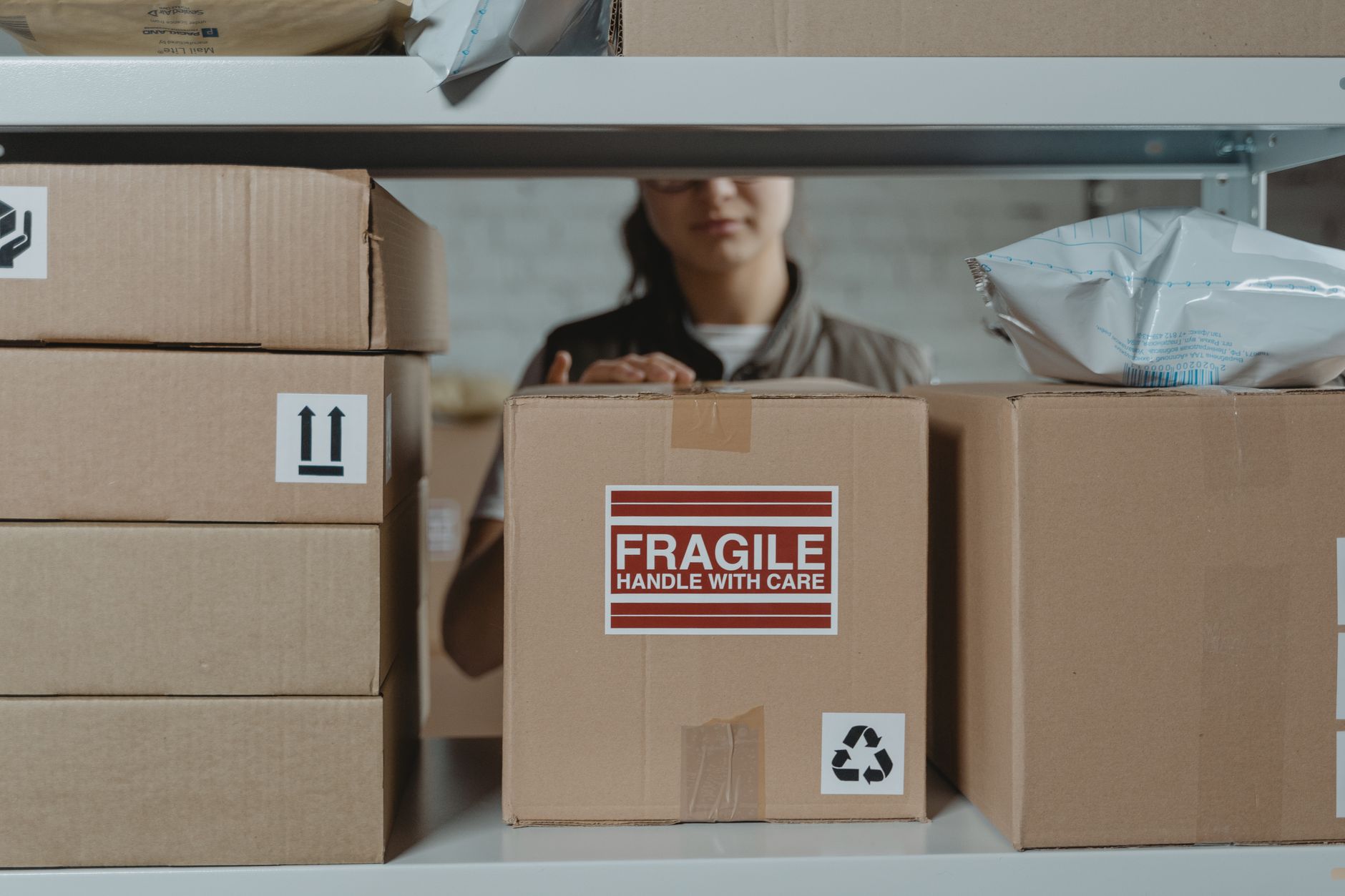
Parcel sortation hits a ceiling before the floor does
A UK e-commerce fulfilment provider handles parcel volume that refuses to arrive evenly. Demand builds in waves, and the sortation line has to absorb each wave without a queue forming at the induction points.
Sortation is where a fulfilment operation either keeps pace or falls behind. Every parcel has to be read, routed and delivered to the correct lane, and each stoppage upstream reappears later as a backlog that takes hours to clear.
Adding people to a sortation floor adds capacity slowly, and it is hard to scale back down when volumes ease. Robots offer a different trade: a fleet that can grow in steps and fit the layout already in place, provided the change does not halt the line.
- Peak volume that outruns the current sortation line
- Labour cost and the difficulty of filling shift patterns
- Little tolerance for downtime while the floor is being changed
Choosing sortation robots and bringing them in by phase
A fleet of 430 units inside a 35 day window leaves little room for surprises. The reported pace depends on the groundwork that comes before the first robot moves, including mapping the floor, settling the routes and agreeing how the robots connect with the existing sortation controls.
Training and service follow the same logic. Operators need to be comfortable with the equipment from the first shift, and the uptime figure only holds when a fault is diagnosed quickly and a unit taken out for repair is covered by spare capacity.
- Survey the sortation floor and map the routes the robots will follow
- Select the robot type that suits the parcel flow and the building
- Install in phases so the existing line keeps running
- Train operators and maintenance staff before each phase goes live
- Keep service cover and spare units ready for fast response after go live
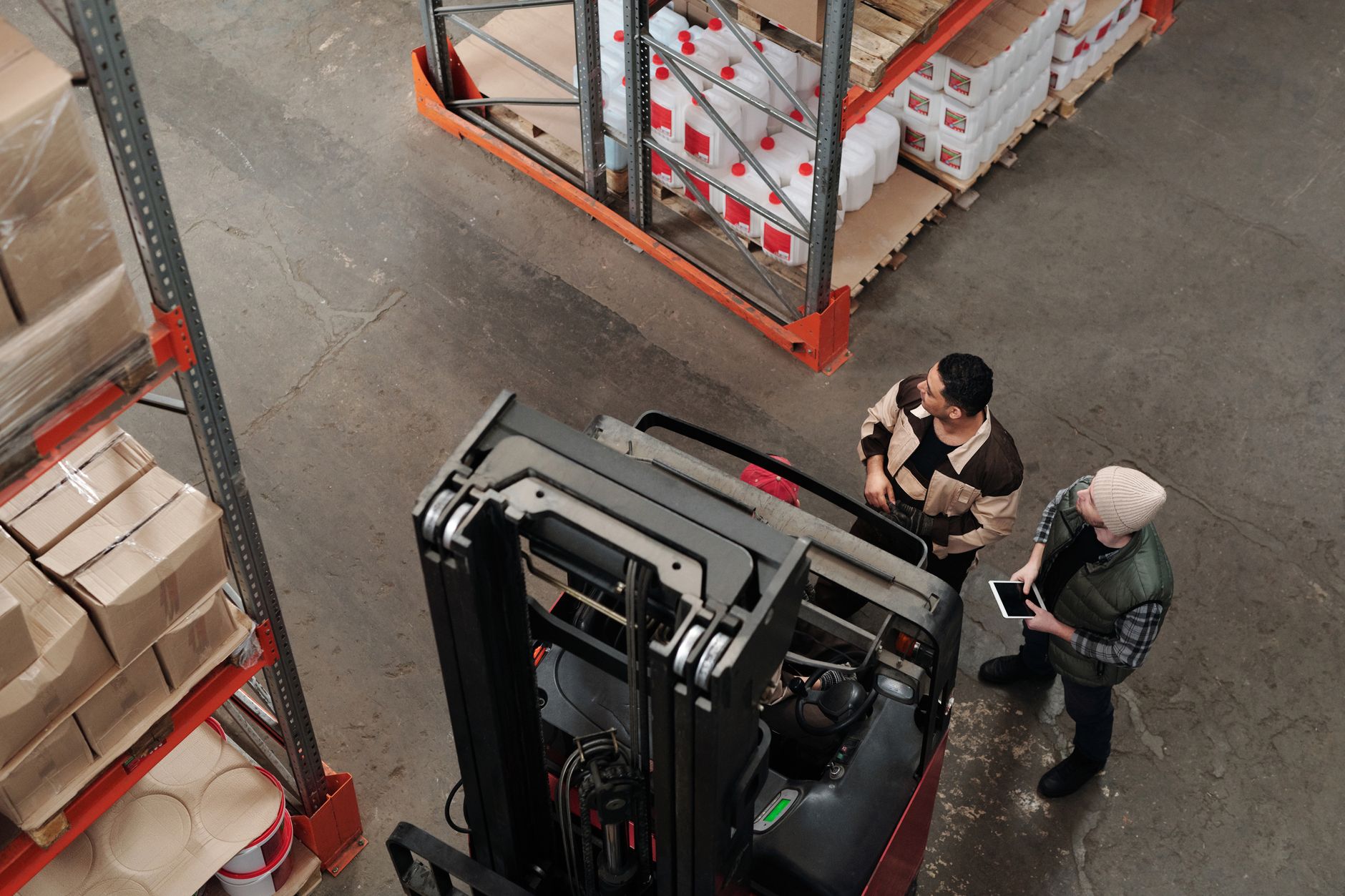
What the rollout delivered, as reported
Throughput rose by 11,151 units per hour, a consistent incremental gain, and the operation finished 34 percent above its initial targets. These figures are as reported by the supplier and integrator involved.
The system reported 99.9% uptime across the rollout, and that number matters as much as the throughput gain. A line that stops for an hour can erase what a faster line gains in a shift, so availability is the figure operations managers watch most closely.
The 35 day implementation window changes the economics of the decision. A rollout that finishes in weeks gets capacity onto the floor before the next peak and keeps disruption to a minimum, which is often what decides whether a change goes ahead at all.
What this means for a warehouse or sortation buyer
The deployment described here was not carried out by Service Robot Co. We include it because its lessons carry over to any operator weighing a warehouse robot lease. Service Robot Co. is a full service, OEM neutral commercial robot integrator for US businesses. We select the right robots across manufacturers, then finance, deploy, integrate, train and service every unit through a nationwide US engineer network, so one partner covers the whole lifecycle.
Robot leasing for business works best when the layout drives the choice. We run a site assessment first, then quote one fixed robot lease payment on a three year lease, so the cost is clear before the first unit arrives. A phased deployment with no shutdown, go live support and spare unit coverage answers the same questions this case raises about uptime and time to capacity.
Frequently asked questions
Want a robot working for you?
Tell us the job and the site. We will recommend the robot, quote the lease, and keep it serviced.