a UK poultry processing and packaging operation running high-speed tray loading
How a UK Poultry Packhouse Hit 120 Trays a Minute at 85% OEE
A documented UK poultry tray-loading line reached 120 trays per minute at 85% OEE after parallel robots replaced manual loading on the packaging system.
- 120/min
- Tray load rate
- 85%
- Line OEE
- Parallel
- Robot layout
- Tray load
- Automation focus
Based on a documented real-world deployment. Figures are from public reporting; the organization is not named.
Manual loading could not keep pace with the line
On a UK poultry processing and packaging line, tray loading sat on the critical path. Operators had to place product into trays fast enough to feed downstream sealing and case packing without stutters.
That hand work was repetitive, sensitive to staffing gaps, and hard to hold steady across shifts. When loading slipped, the whole packaging rhythm suffered even if upstream processing was fine.
- Tray loading limited how fast the line could run
- Manual placement introduced variability at high speeds
- Labor pressure made it difficult to sustain peak rates
Parallel robots took over tray loading at line speed
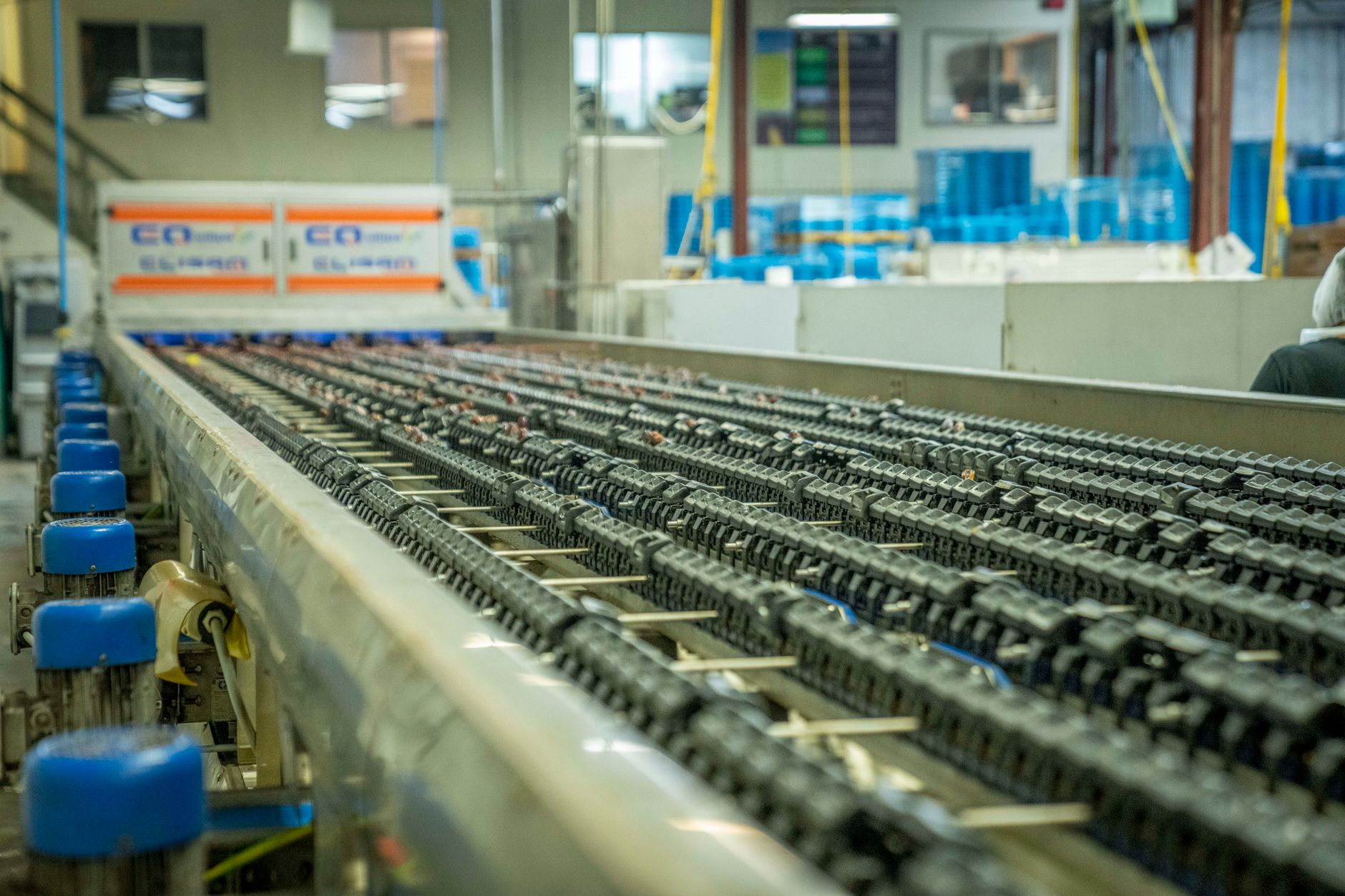
The site automated tray loading with a packaging system built around parallel picking robots coordinated with the existing line controls. The goal was sustained high-speed placement, not a one-off demo rate.
Integration work focused on matching robot cycles to conveyor flow, guarding changeovers, and training operators to run, clear, and recover the cell like any other packaging asset.
- Map tray formats and line signals before go-live
- Tune parallel robot cycles to conveyor timing
- Train operators on recovery and daily checks
- Monitor OEE as the honest throughput scorecard
Throughput and equipment effectiveness moved together
After automation, the documented packaging system loads poultry trays at 120 trays per minute while holding 85% overall equipment effectiveness on the line.
Those two numbers matter together. Speed without stability would still starve downstream equipment. The published result shows the robots held rate and uptime well enough to count as production-grade packaging, not a pilot trick.
What this means for US food plants weighing automation
This story is a documented example, not a Service Robot Co. customer project. It still shows what a vendor-neutral integrator looks for on a food line: a narrow bottleneck, a robot category matched to the motion, and financeable deployment with service behind it.
Service Robot Co. selects parallel packaging, palletizing, and end-of-line robots across manufacturers, then handles robot rental monthly programs, site mapping, go-live support, and maintenance through a nationwide network of regional service engineers. A free site assessment is the usual starting point when tray loading or case packing limits your rate.