
a women's hospital in the United Kingdom served by a national facilities contractor
How a UK Women's Hospital Raised Cleaning Productivity 57% with Autonomous Scrubbers
A documented UK women's hospital reported 57% higher cleaning productivity and large water and energy savings after autonomous scrubbers joined high-traffic clinical floors.
- 57%
- Productivity
- 62k L
- Water saved
- 876 kWh
- Energy saved
- 24/7
- Coverage
Based on a documented real-world deployment. Figures are from public reporting; the organization is not named.
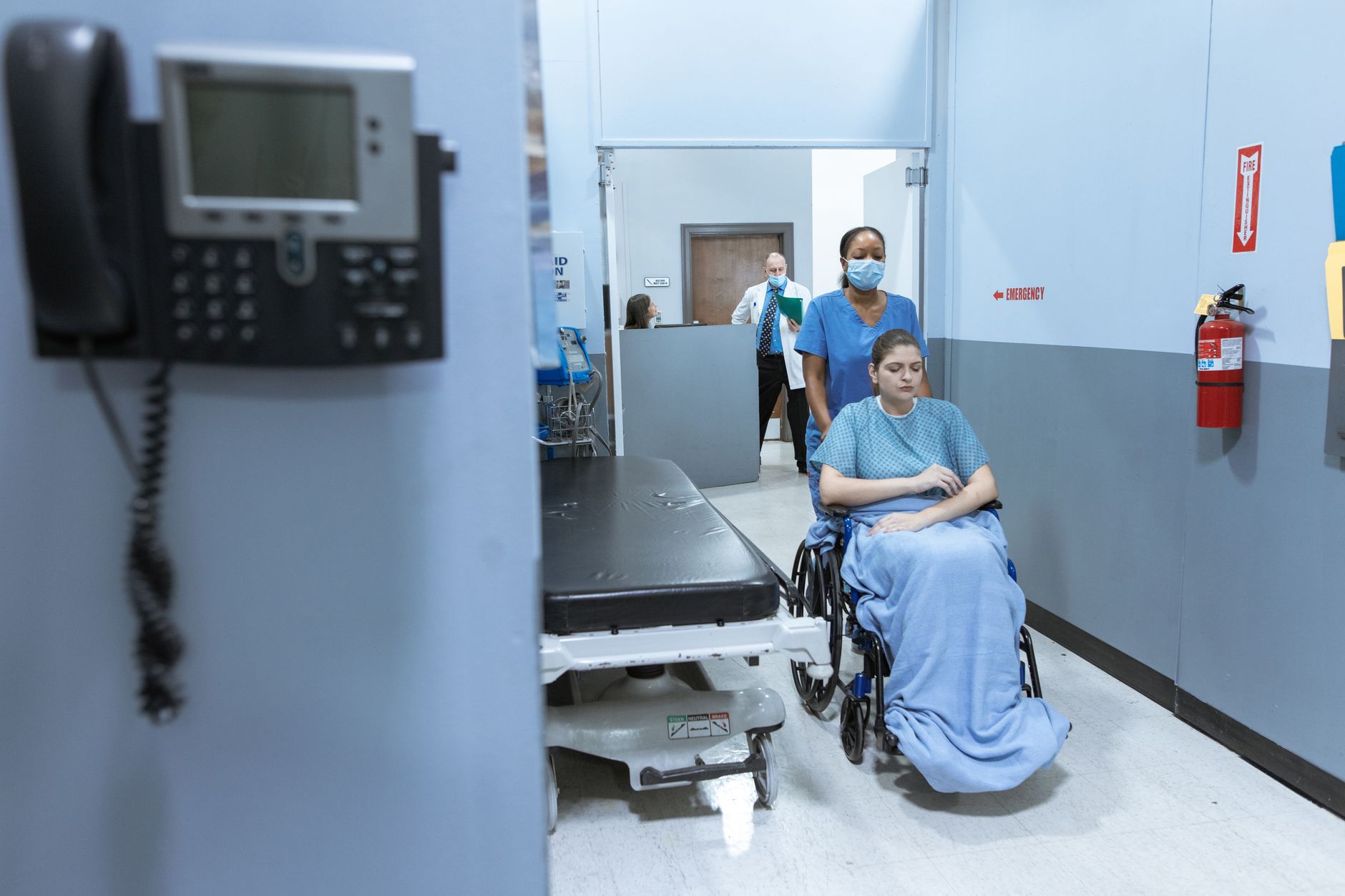
Wet Floors During Peak Clinical Traffic
A women's hospital in the United Kingdom needed busy corridors and public areas kept clean without leaving wet floors when visitors and clinical traffic peaked.
Traditional scrubbing tied environmental services staff to long loops while patient-support tasks waited, and leadership wanted stronger infection-control presentation without cutting headcount.
Facilities leadership also targeted water and energy use as part of broader sustainability goals tied to the cleaning program.
- Scrub high-traffic zones more often
- Reduce slip risk from wet floors at peak hours
- Cut water and energy used on hard-floor care
Autonomous Scrubbers in Public and Clinical Zones
A national facilities contractor introduced autonomous floor scrubbers on mapped routes through high-traffic hospital areas, coordinated with existing environmental services supervision.
Staff redeployed time toward specialized patient-support and help-desk work while robots handled repeatable scrub cycles on hard floors.
Teams adjusted timing so scrubbers could run when corridors were quieter, improving dry-floor safety during the busiest visitor windows.
- Map scrub routes with infection-control signoff
- Train EVS leads on daily starts and fluid checks
- Coordinate robot passes with peak visitor flows

Fifty-Seven Percent More Productivity
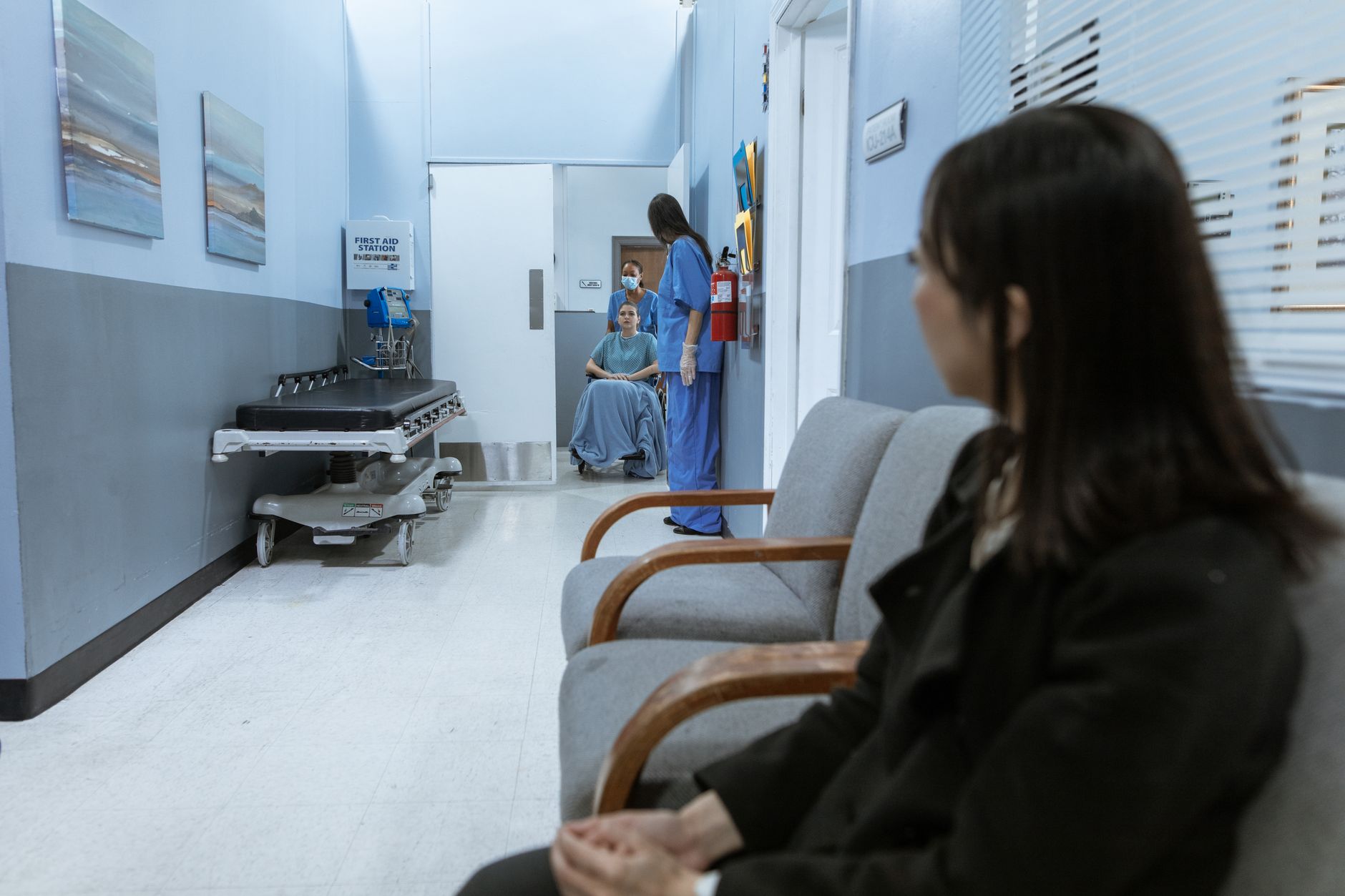
Published reporting cites a 57 percent increase in cleaning productivity, allowing more frequent cycles without adding labor cost.
The same case study reports about 62,000 liters of water saved annually and 876 kilowatt-hours in energy savings from the new scrubbing approach.
Leadership highlighted safer, drier floors during peak periods and higher staff satisfaction as staff moved toward patient-facing support roles.
What Hospital EVS Teams Should Ask
This is a documented real-world example overseas, not a Service Robot Co. deployment. It shows how autonomous scrubbers can lift productivity and sustainability metrics on busy clinical floors.
Service Robot Co. maps US hospital routes with your infection-control team, stays vendor neutral, and packages buy or lease financing with RoboCare service for phased rollout.