a midsize public university campus custodial services department
How a University Campus Gained 245 Cleaning Hours in One Month With Cobots
Documented campus case: three autonomous floor scrubbers added 245 labor hours in one month and cut student-union floor care time about 50 percent.
- 245 hrs
- Added in Feb
- 50%
- Floor time cut
- 3
- Scrubbers live
- 4.5M sf
- Campus scope
Based on a documented real-world deployment. Figures are from public reporting; the organization is not named.
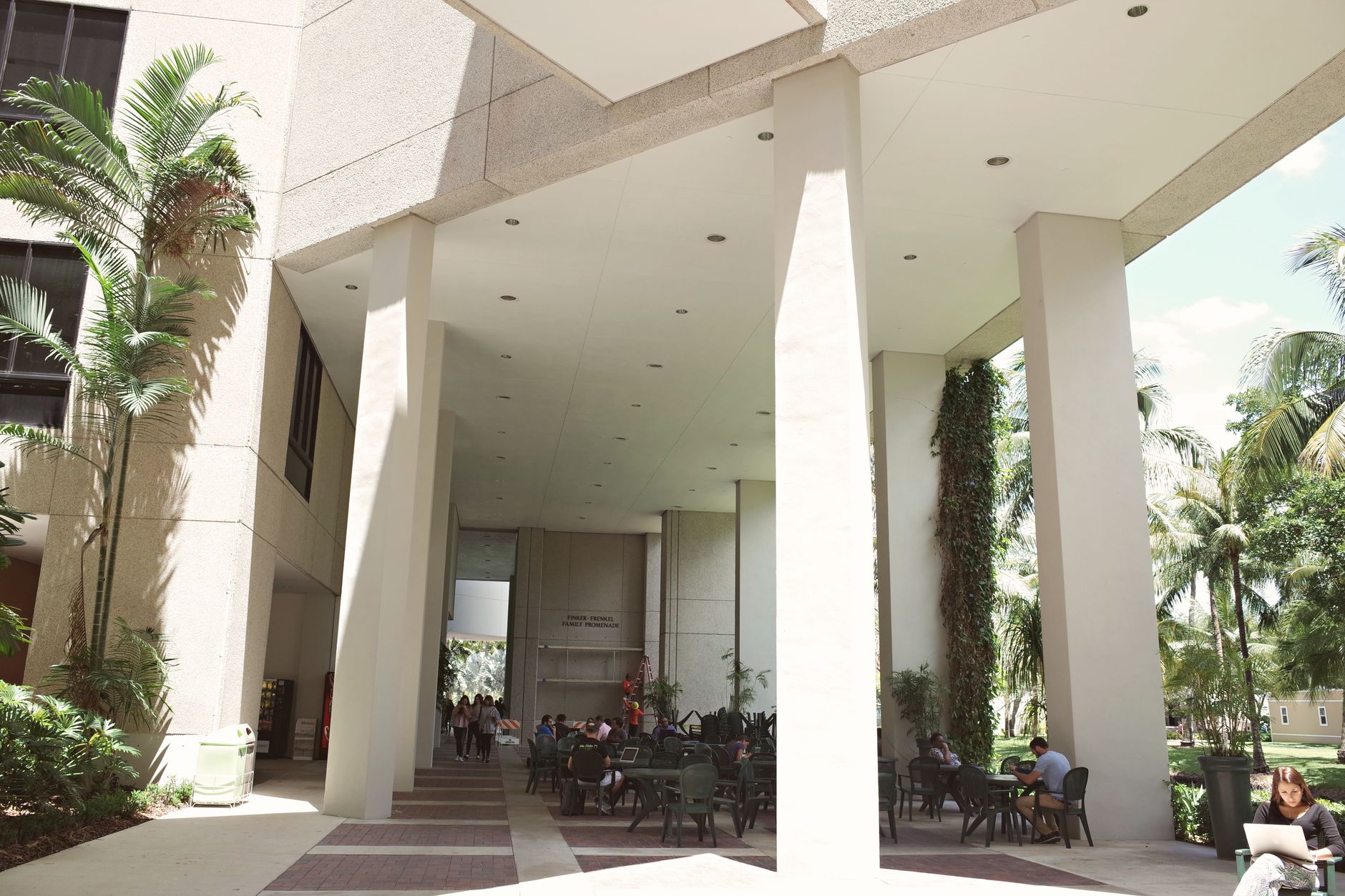
Busy buildings with a thin custodial bench
A midsize public university campus custodial services department maintains more than 4.5 million square feet across 94 buildings for roughly 21,000 students. Staffing pressure made it hard to keep high traffic student union floors spotless while guests arrived for tours and dining.
The student union stays open close to 20 hours a day, so crews had to scrub around constant foot traffic. Supervisors said dirty entrances signaled a dirty building, yet full floor cycles competed with dusting, windows, and event turnovers.
Leadership wanted automation that augmented existing custodians rather than replacing them, with proof custodians could trust on the busiest routes.
- Clean union floors daily despite near round the clock use
- Recover detail work when hiring lagged behind enrollment
- Show visitors a polished first stop on campus tours
Three autonomous scrubbers with staff buy in
Campus services had prior experience with autonomous equipment, so leaders framed collaborative floor scrubbers as capacity for students, not a headcount cut. Custodians joined the decision before the January 2023 rollout of three autonomous units.
Supervisors paired with the integrator on training and troubleshooting during the first week, then let robots run mapped routes while humans handled openings, events, and detail tasks. Fleet software tracked square footage, runtime, and nightly goals so managers could verify coverage.
The busiest student union zone became the first proving ground, with one supervisor running a unit within days and independent scrubbing by the second week.
- Deploy three autonomous scrubbers in January 2023
- Train zone supervisors hands on during week one
- Set nightly square footage and runtime targets in fleet software
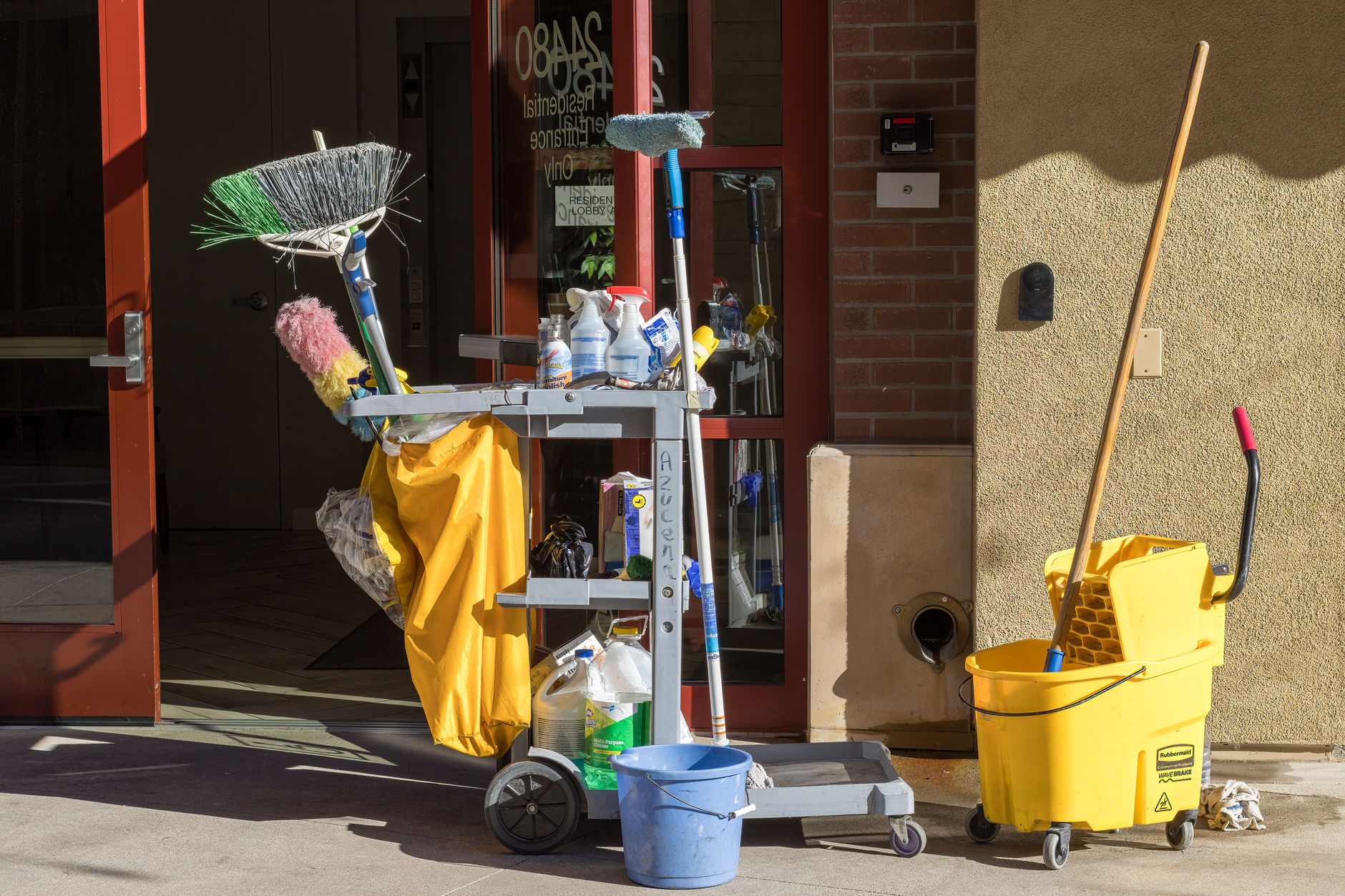
Measured hours back on the floor
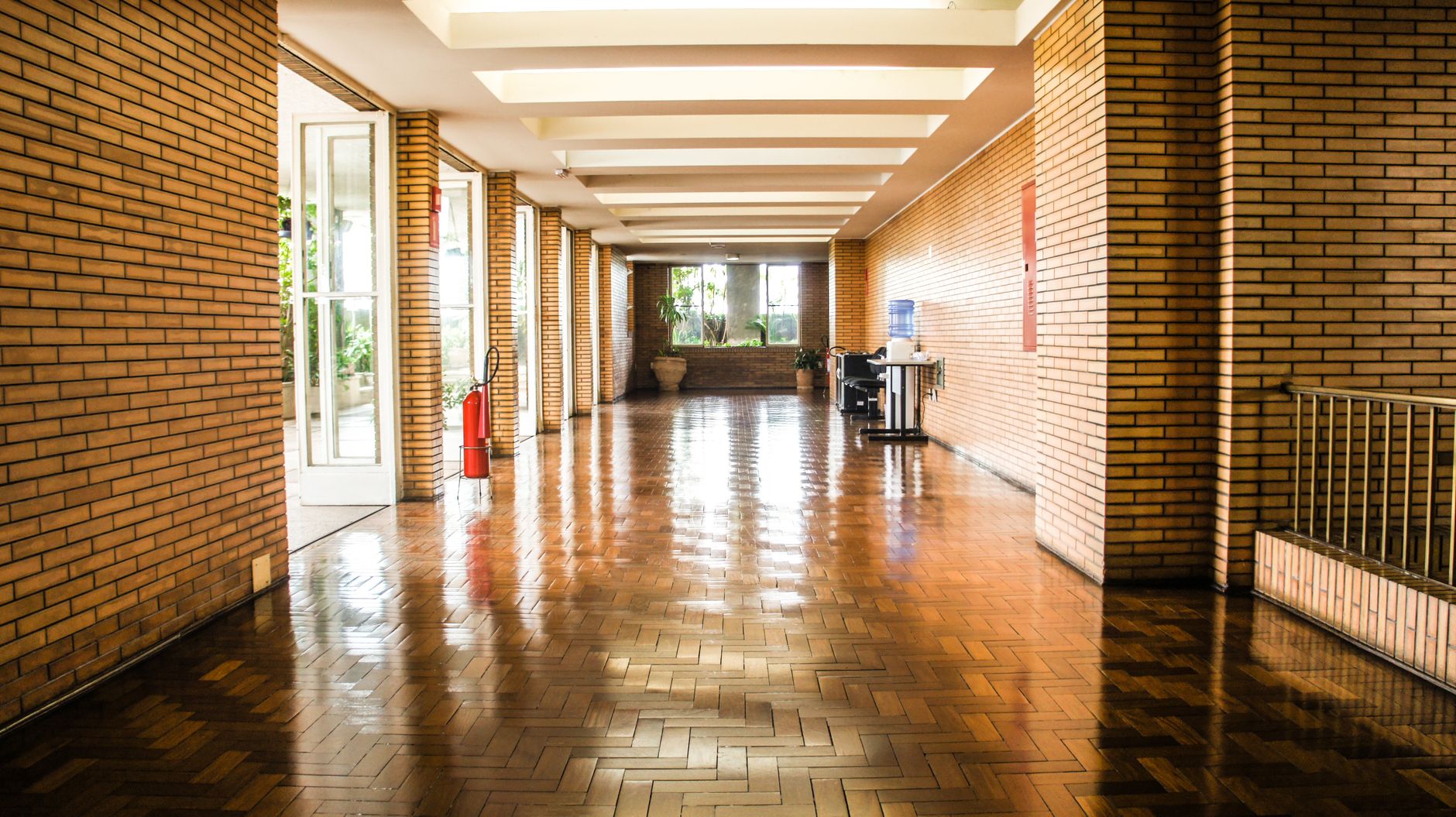
Directors reported the fleet added 245 hours of labor capacity in February alone, hours that did not exist before automation. Leadership described the robots as teammates that freed custodians for windows, dusting, and event prep.
In the student union, floor cycles that once took five to six hours now take about half that time, a 50 percent reduction supervisors quoted in the published case. Entrances that used to read clean at 9 or 10 a.m. now show finished floors by 8 a.m., with many detail tasks done before the 7 a.m. opening.
Managers use run reports to settle cleanliness questions quickly, adjusting schedules instead of guessing whether a route was skipped.
Campus scrubbers belong in a rental pilot plan
This is a documented real world example, not a Service Robot Co. deployment. It shows why higher education facilities leaders should measure autonomous floor scrubber rental in hours returned before they debate headcount.
Service Robot Co. is a vendor neutral robot integrator for U.S. campuses and commercial sites. We map student union and corridor loops, then finance, deploy, train, and service commercial cleaning robot rental fleets through a nationwide network of regional service engineers. Robot rental monthly paths and maintenance included service plans let facilities prove the February style hour gains on one building before scaling across millions of square feet.