a public university in Ohio with new clinical health sciences and data science buildings
How Clinical and Research Buildings at an Ohio Campus Save 5.5 Scrub Hours Daily
Two autonomous scrubbers on a public Ohio campus return about 5.5 custodial hours daily across clinical training and glass-walled research floors.
- ~5.5 hrs
- Daily labor returned
- 2 units
- Autonomous scrubbers
- 27K+ sq ft
- Single-day scrub area
- 4+ hrs
- Per-building scrub runs
Based on a documented real-world deployment. Figures are from public reporting; the organization is not named.
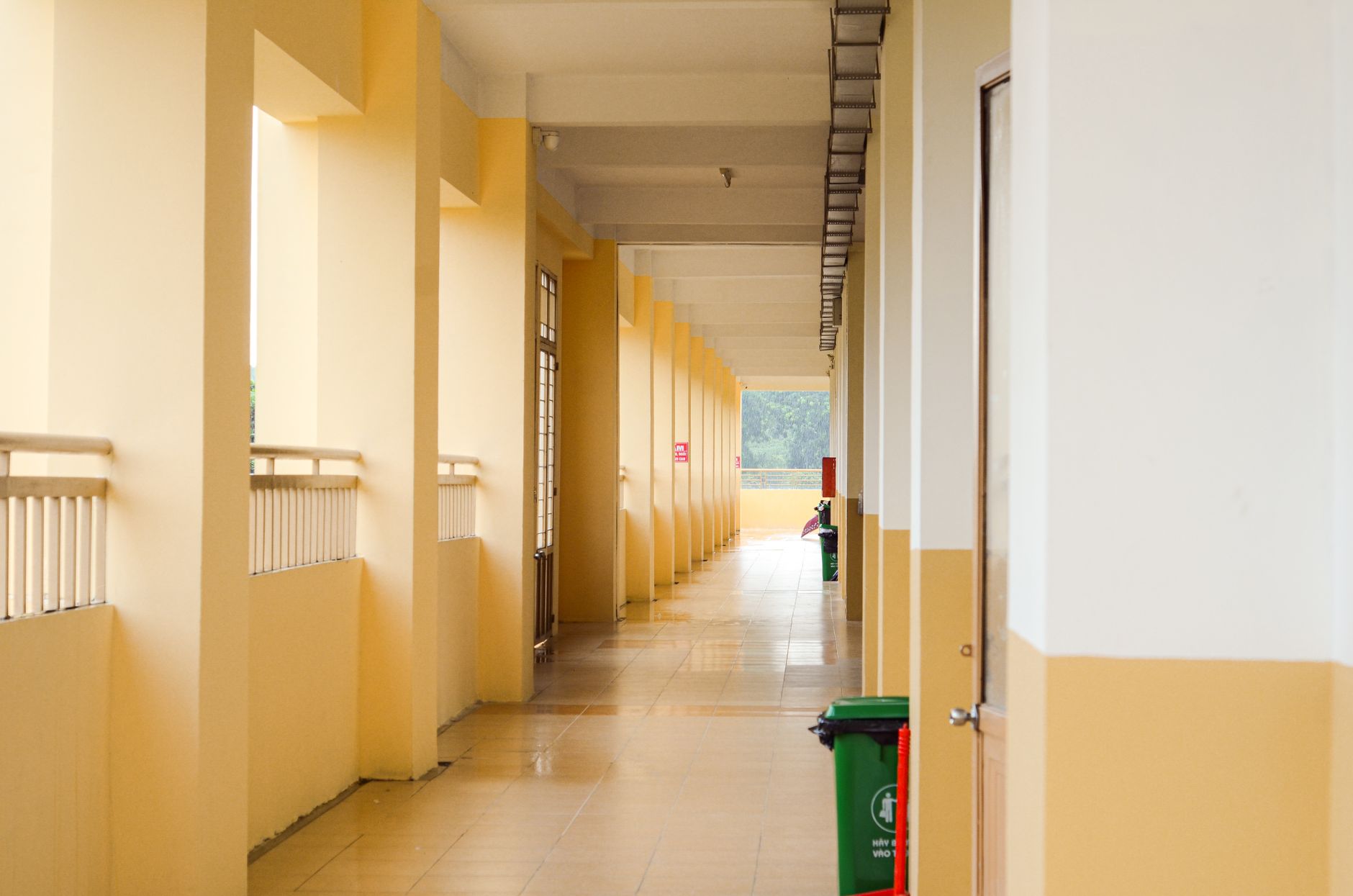
New buildings, clinical standards, thin crews
A public university in Ohio opened modern research and clinical training facilities with expansive hard floors and heavy daily traffic. One building is largely glass and open sightlines. The other houses clinical training rooms that must be cleaned and sanitized to standards closer to acute care than a typical classroom wing.
Custodial leaders needed to augment labor without lowering infection-control expectations. Manual mopping wore down staff and still left long wet-floor cycles that competed with early-morning setup.
- Large footprints in two high-profile new buildings
- Clinical training spaces requiring hospital-grade floor care
- Staff time consumed by repetitive wet scrubbing before doors open
Pairing autonomous scrubbers with fleet visibility
Facilities leadership integrated two autonomous floor scrubbers into daily routines in the data science and clinical health sciences buildings. Routes were mapped for corridors and open hard-floor zones while custodians kept detail work on glass, touchpoints, and clinical bays.
Managers track runtime and coverage through a fleet dashboard, targeting roughly three and a half to four hours of autonomous scrubbing per unit each day. Crew leads cross-trained so either building could start scheduled cycles without pulling specialists off sanitation tasks.
- Deploy one autonomous scrubber per major new building
- Program routes around clinical training and high-traffic loops
- Use fleet data to confirm daily runtime and square footage covered
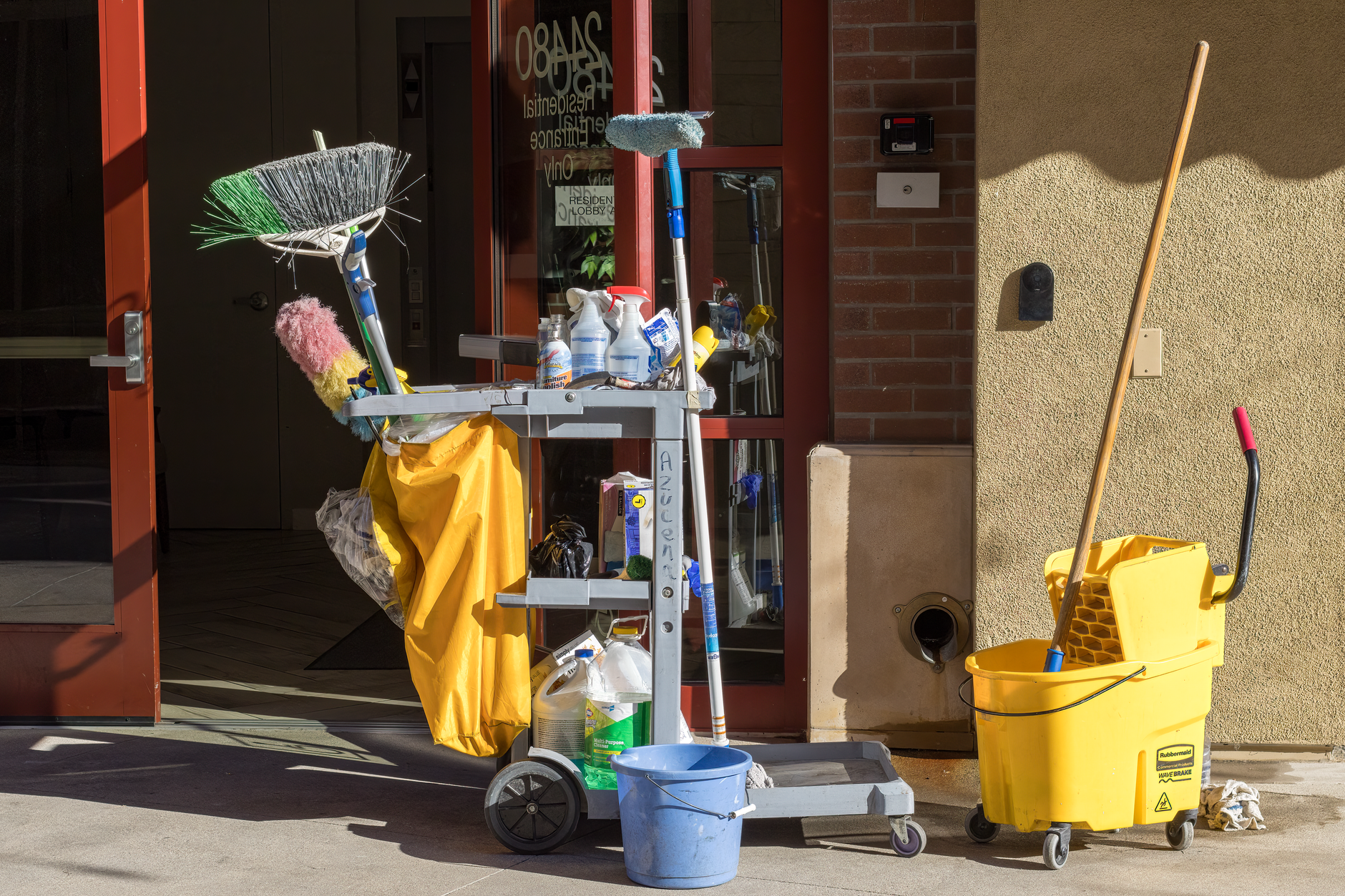
Documented runtime and hours back for detail work
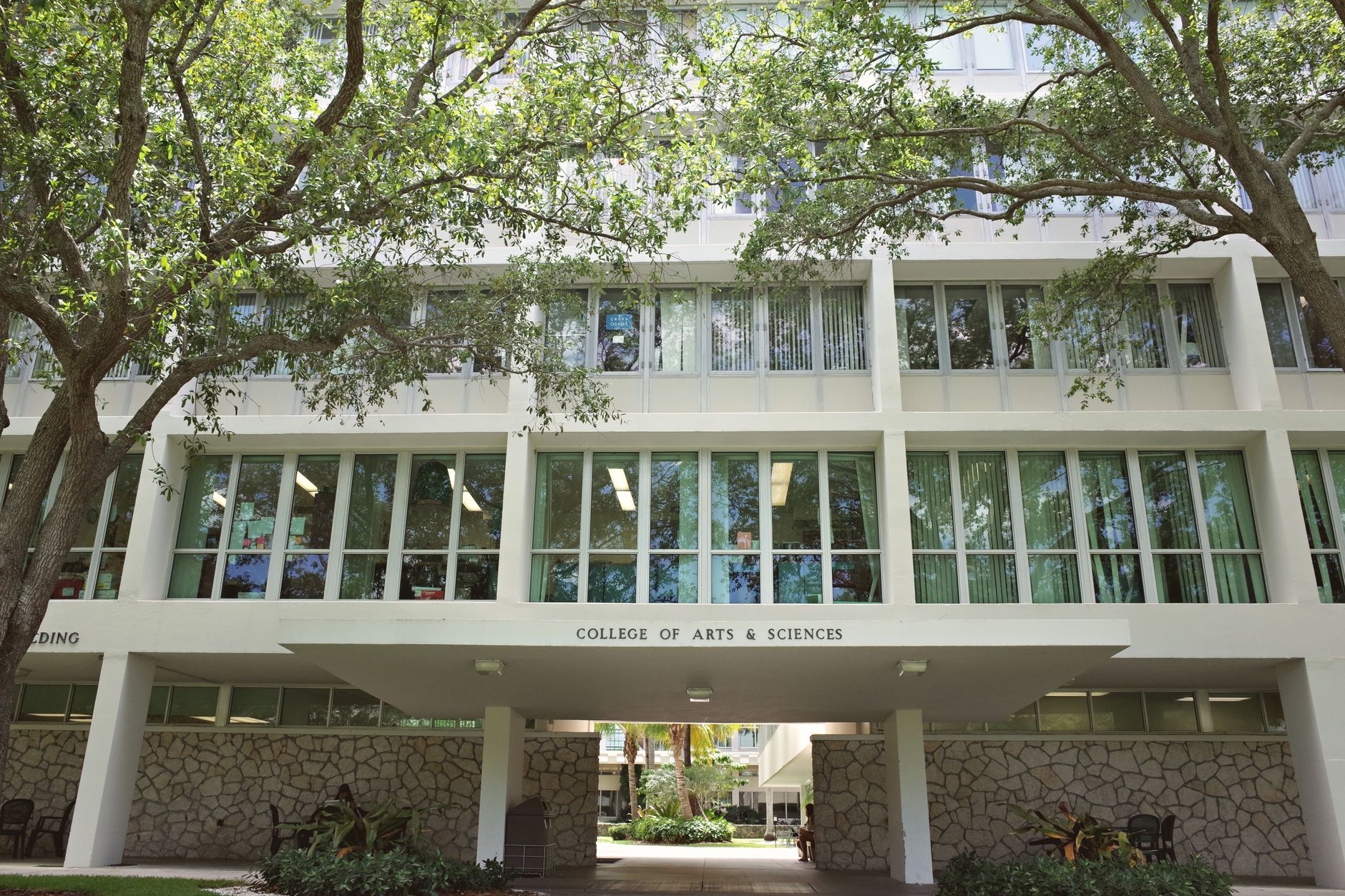
On a representative day, one autonomous unit scrubbed for four hours and seventeen minutes and covered about twenty-four thousand five hundred square feet in the data science facility. The second unit ran more than five hours and covered about twenty-seven thousand two hundred forty square feet in the clinical health sciences building.
Leadership reports the fleet returns about five and a half hours of labor on average each day across the two sites. Custodians redirect that time toward disinfection-focused tasks, glass care, and opening readiness instead of pushing mop buckets through long corridors.
What campus operators can take from this pattern
Service Robot Co. is a full-service, OEM-neutral commercial robot integrator for U.S. businesses. We match autonomous scrubbers to your floor plan, then handle commercial robot rental or monthly programs, deployment mapping, training, and nationwide service through one partner.
A campus cleaning robot rental with maintenance included lets you pilot overnight floor care in clinical-adjacent buildings before you commit capital. Vendor-neutral selection and go-live support keep the right scrubber on your tile while service engineers back the fleet when uptime matters at semester start.