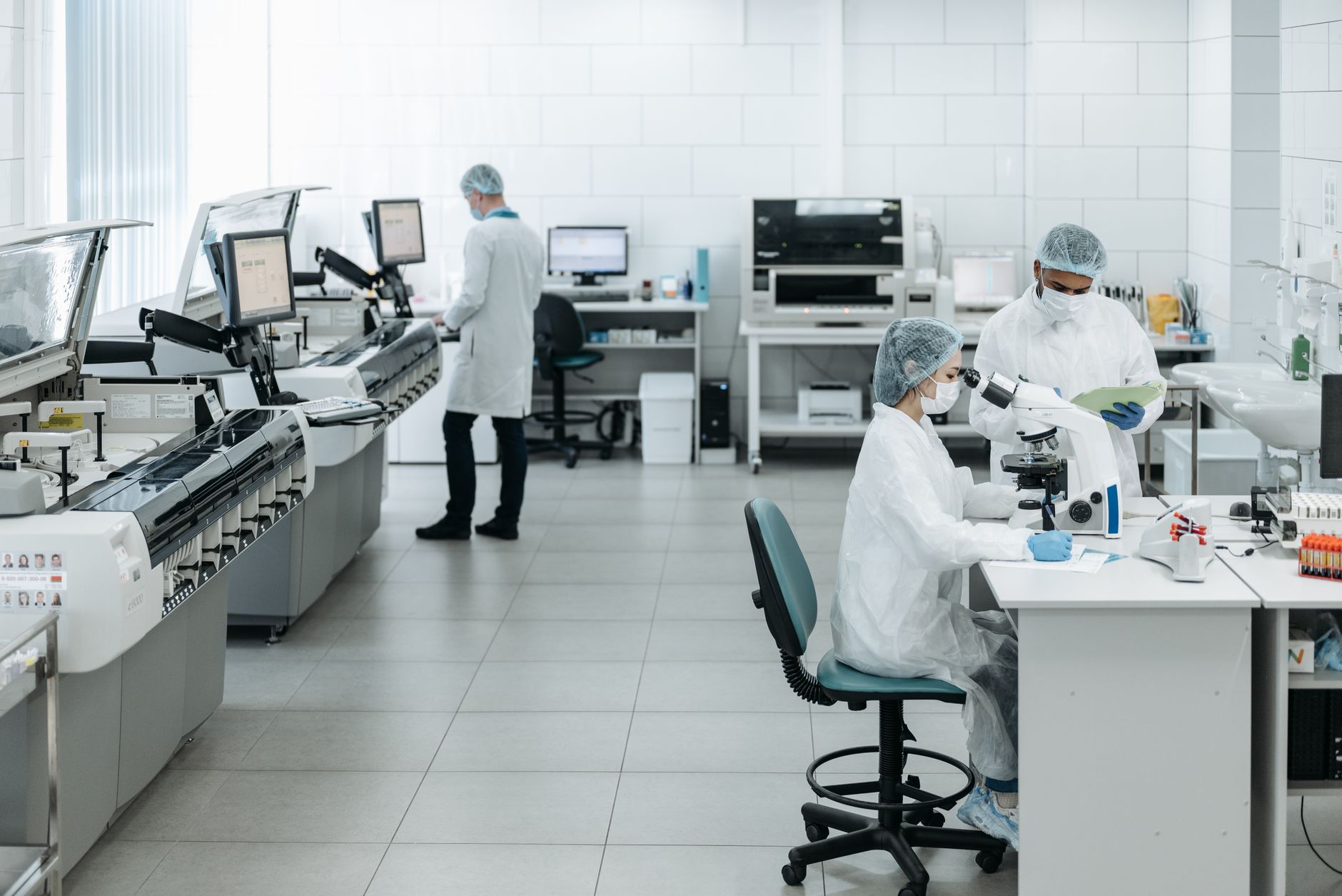
a regional university hospital laboratory in Northern Europe
Lab Robot Case Study: Up to 3,000 Samples Sorted Daily
See how a regional university hospital laboratory automated blood sample checks and sorting, handling up to 3,000 samples per day with stronger traceability.
- 3,000/day
- Blood samples checked and sorted
- 40/hour
- Transport boxes handled
- 1.5 min
- Average time per box
- ±1°C
- Maximum temperature deviation
Based on a documented real-world deployment. Figures are from public reporting; the organization is not named.

Manual Intake Was Straining People and Process Control
Up to 3,000 blood samples arrived at a regional university hospital laboratory in Northern Europe each day. Staff opened the transport boxes, removed the tubes, and sorted them for clinical analysis by hand.
The work was monotonous, but the greater concern was physical. Repeatedly handling a large volume of boxes had contributed to tendon and muscle injuries among laboratory employees.
The laboratory also needed firmer oversight of sample transport. Quality depended on maintaining a temperature of 21°C with no more than ±1°C deviation, making route and temperature records central to acceptance decisions.
- Sustain a heavy daily intake without relying on repetitive manual sorting
- Track each transport box from collection through laboratory arrival
- Detect temperature excursions before samples entered routine analysis
- Preserve technician judgment when a questionable box required review
Instrumented Transport Boxes Meet Coordinated Robotic Handling

The installation paired intelligent transport boxes with two lab robots, scanners, and an input conveyor. Robot selection was based on the technical demands of the handling task, while an RFID data logger in each box recorded its route and temperature history.
After a technician placed a box on the conveyor, a scanner read its recorded data. A temperature excursion triggered an automatic notice and sent the affected box to a technician, who retained authority to decide whether its samples remained usable.
For accepted boxes, one robot opened the container and removed the blood samples. The other identified stopper colors with a scanner and sorted the tubes for subsequent testing.
The published account does not describe a phased rollout, staff training curriculum, or service agreement, so none is attributed to this deployment. A comparable project should define pilot acceptance criteria, exception training, go live support, and robot maintenance service plan coverage before routine operation begins.
- Scan transport boxes at collection so their routes can be tracked
- Register each box again when it reaches the laboratory
- Read time and temperature records before automated handling
- Divert questionable boxes for technician review
- Open accepted boxes and sort tubes by stopper color
High Throughput With Better Visibility and Fewer Error Paths
The robot and transport box system checks and sorts up to 3,000 blood samples per day. It handles a box in an average of 1.5 minutes, equivalent to a capacity of 40 transport boxes per hour.
The gains extended beyond pace. Automated sorting and continuous temperature control reduced potential sources of error, while the recorded transport data helped the laboratory identify and correct problems in the process.
Laboratory technicians reported considerably improved workflows and working conditions. With repetitive intake work reduced, they had more time for sample analysis and patient contact.
The Integration Lesson for US Laboratories
This example shows why laboratory automation is more than a robot purchase. The value came from joining material handling, scanning, traceability, exception routing, and human judgment into one controlled workflow.
Service Robot Co. brings that integration discipline to US businesses as a full service, OEM neutral commercial robot integrator. We select equipment across manufacturers, arrange financing, manage robot deployment and integration, train staff, and service every unit through a nationwide US engineer network.
That one partner one number model can support a commercial robot demo, a robot pilot program, phased deployment, and longer term fleet care. It gives laboratory leaders one accountable vendor across the whole lifecycle while preserving the freedom to choose the robot that fits the work.