a Utah-based boutique drop-ship fulfillment warehouse serving thousands of SKUs
How a Utah Apparel Drop-Shipper Raised Daily Shipments 65% With Case-Handling Robots
A Utah boutique drop-ship warehouse grew storage 2.5x, shrank its active footprint 60%, and raised daily shipments 65% after vertical goods-to-person automation.
- 65%
- More shipments
- 2.5x
- Storage capacity
- 60%
- Smaller footprint
- 1-2
- Pickers per shift
Based on a documented real-world deployment. Figures are from public reporting; the organization is not named.
Growth without another warehouse move
The operator had already relocated seven times in six years while chasing space for a boutique drop-ship model with fast style turns. A 30,000-square-foot building felt like a long-term home until order volume kept climbing and another expansion looked inevitable.
Manual piece picking across wide aisles burned labor on every surge. Staffing five to ten pickers per shift was normal, yet peaks still strained the floor and made hiring a recurring headache.
- Thousands of SKUs with frequent style churn
- Limited vertical use of the existing cube
- Repeated warehouse moves disrupting operations
Grow up with goods-to-person automation
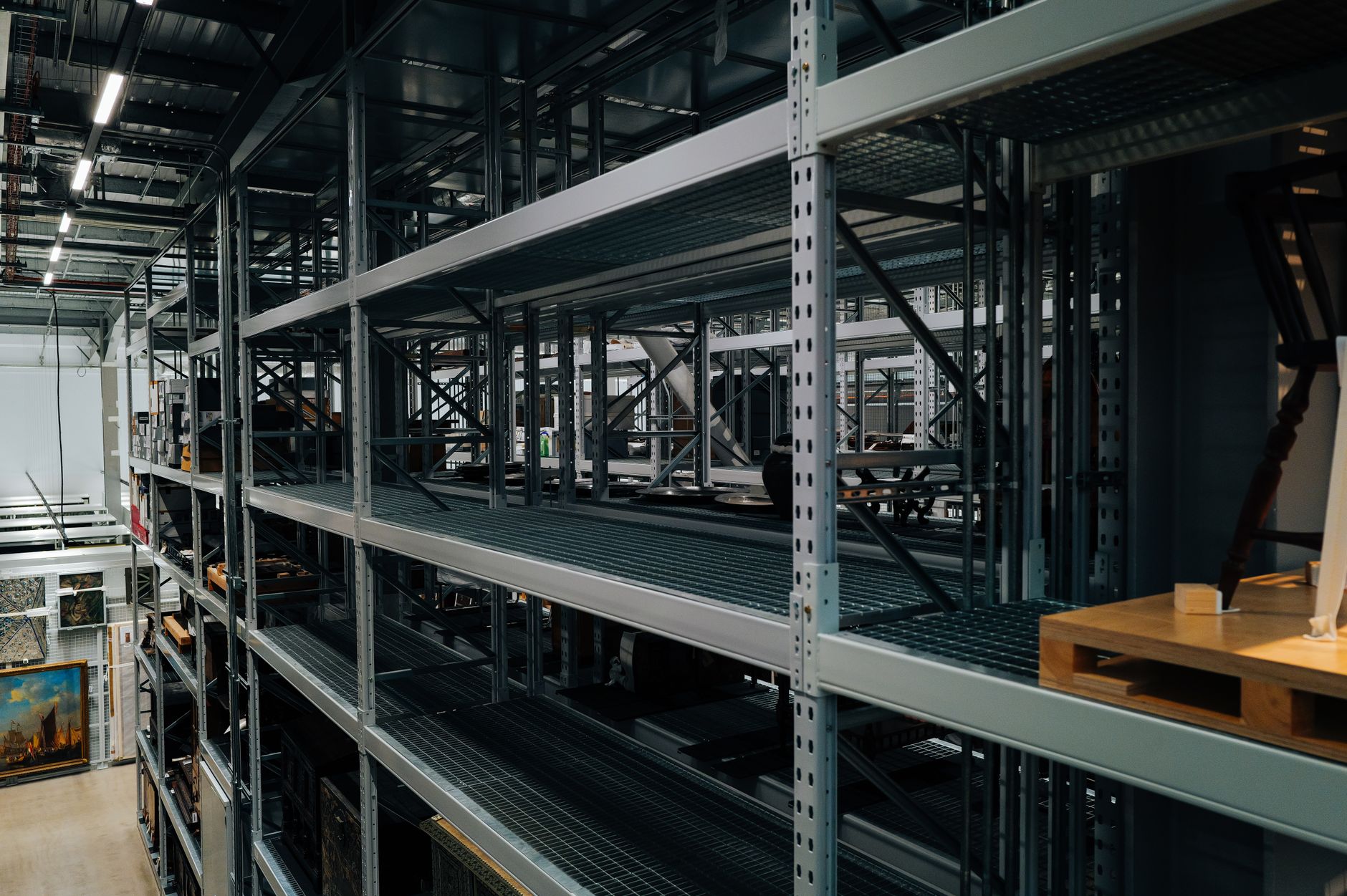
Leadership chose dense automated storage with autonomous case-handling robots instead of signing another lease. Tall racking near 28 feet let the team quadruple storage height while keeping pick faces at ergonomic reach.
The install compressed active storage from about 15,000 square feet to 6,000 while holding more than 12,000 SKUs. Robots retrieve cases to pick stations so associates confirm orders instead of walking entire aisles.
- Map fast movers before slotting height
- Train pickers on exception handling at stations
- Phase cutover to avoid a hard shutdown weekend

More volume from a smaller active footprint
Daily orders shipped rose 65 percent after go-live. Storage capacity climbed 2.5 times even as the storage footprint shrank 60 percent, freeing capital that might have gone to rent on a larger building.
Picker staffing per shift fell from a range of five to ten people down to one or two. The remaining team focused on quality checks and exceptions while robots handled the repetitive travel.
What this means for U.S. fulfillment leaders
This write-up describes a documented deployment, not a Service Robot Co. customer. It still shows why a vendor-neutral integrator matters when you are choosing between another lease and warehouse robot rental or purchase paths.
Service Robot Co. helps U.S. businesses compare autonomous mobile robot and goods-to-person programs with monthly payment options, site assessment, phased deployment, and maintenance included plans backed by a nationwide network of regional service engineers.