
a full-scale vegetable and herb farm in Baja California
A Full-Scale Vegetable and Herb Farm in Baja California Cuts Mulching Labor to 1
See how a full-scale vegetable and herb farm in Baja California used a modular agricultural robot to cut mulching labor from 4 to 5 people down to 1.
- 4 to 5 to 1
- people needed for mulching
- 1 for 3
- seeding crew replacement
- 40%
- harvest aid efficiency gain
- 20 beds
- composted on one charge
Based on a documented real-world deployment. Figures are from public reporting; the organization is not named.
Too Many Field Jobs, Too Much Dedicated Equipment
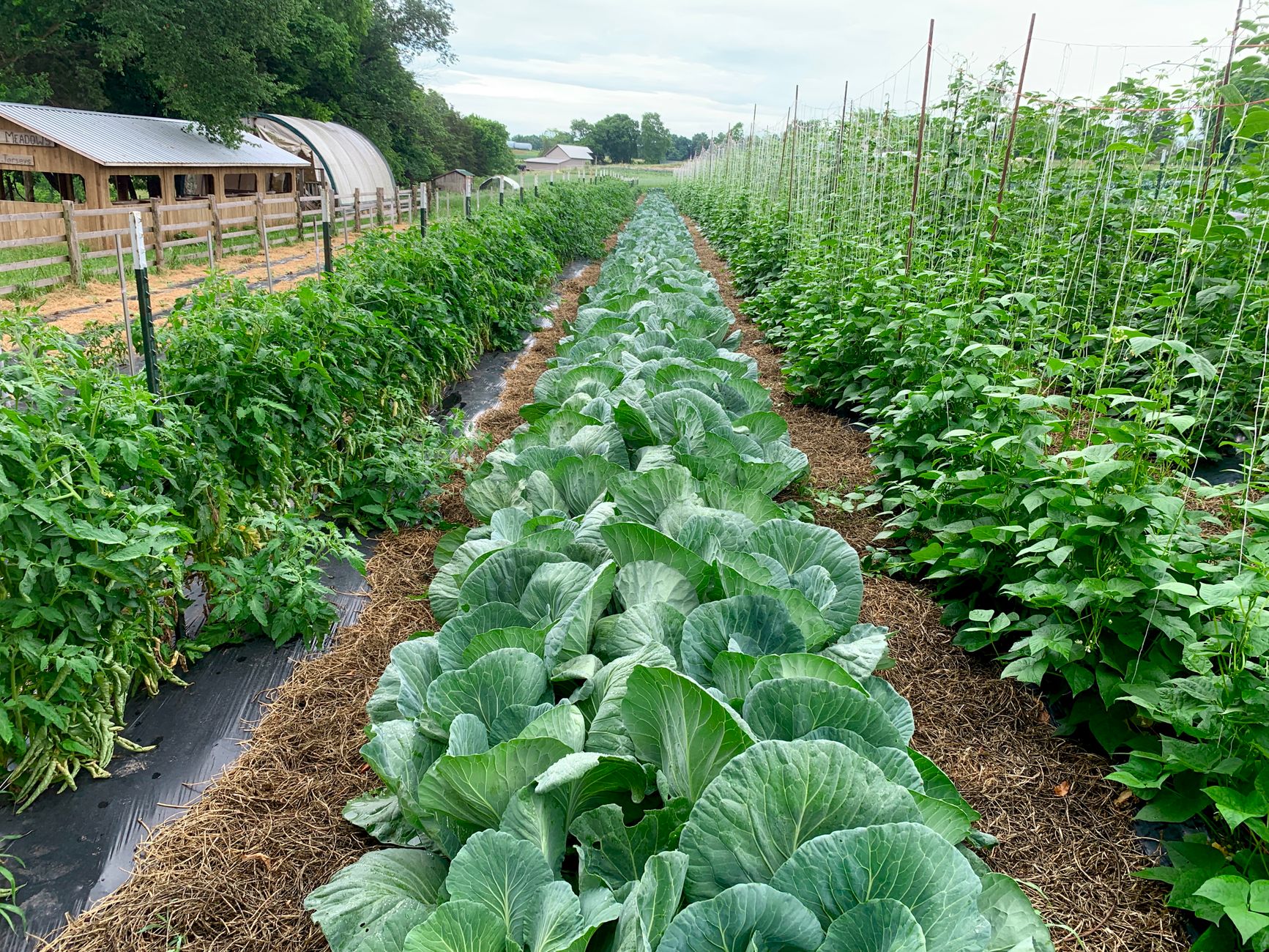
A full-scale vegetable and herb farm in Baja California needed to mechanize compost spreading, seeding, weeding, harvesting support and hauling. Buying a dedicated machine for every job would have added equipment complexity to an operation already using trucks, tractors and utility vehicles.
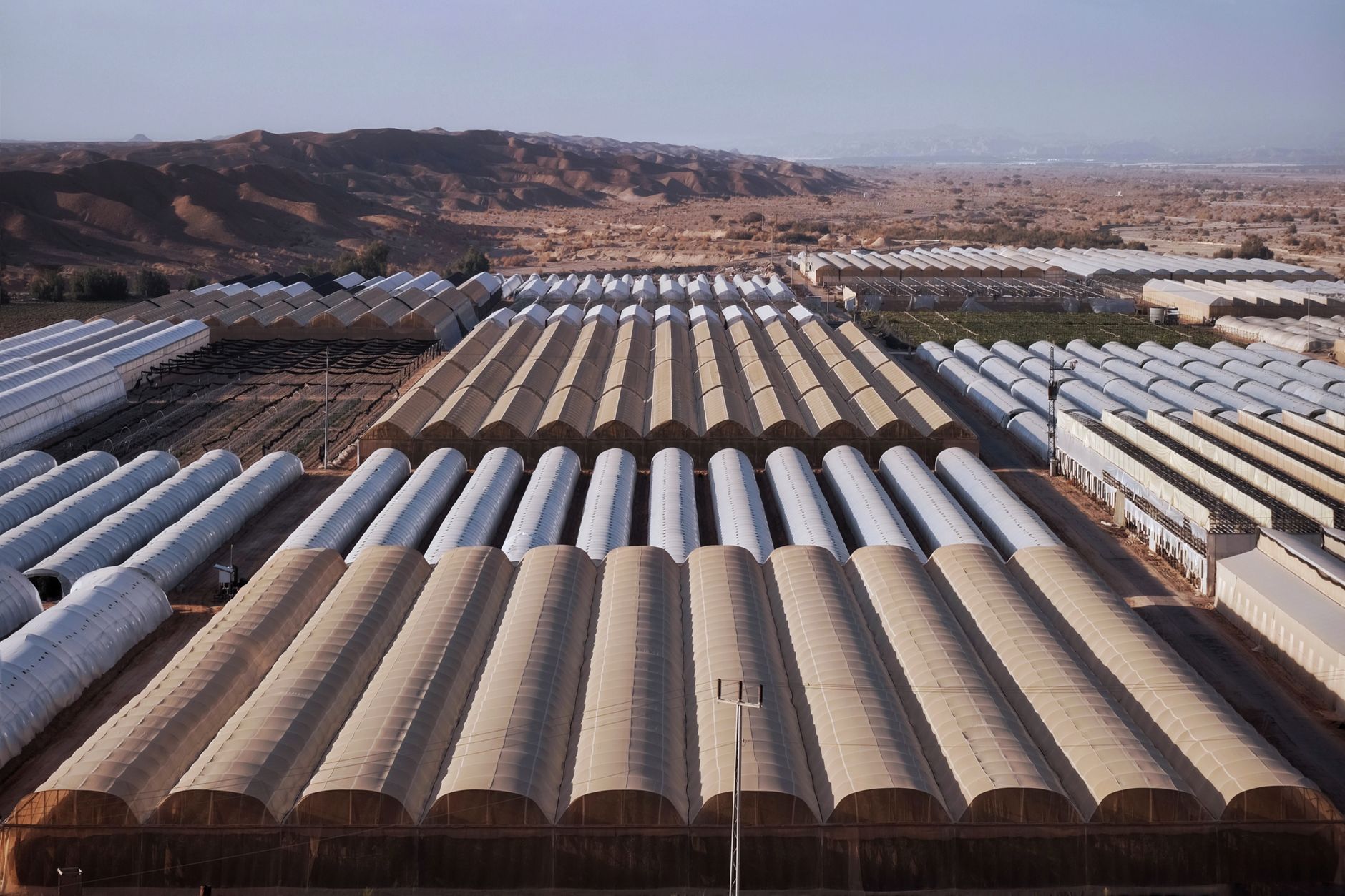
The working environment made selection harder. Equipment had to navigate confined greenhouse rows and variable open-field terrain while easing the physical burden of repetitive, labor-intensive fieldwork.
- Apply compost consistently across complete beds and planted blocks
- Reduce crew demand for seeding and weeding
- Move between greenhouse and open-field conditions
- Support additional seasonal jobs through interchangeable attachments
A Modular Platform Shaped by Field Work
A full-scale vegetable and herb farm in Baja California adopted an all-electric modular platform that could carry a compost spreader, seeder and tine weeder, plus purpose-built implements for flame weeding and insect vacuuming. Adjustable track widths from 40 to 80 inches, configurable clearance and a modifiable wheelbase helped the platform fit different crop layouts.
The deployment grew through hands-on field testing and operator feedback. Early refinement concentrated on compost flow, loading time and material consistency before use expanded into seeding, weeding, harvest support, hauling and insect vacuuming.
Follow-me control, cruise control and adjustable speed gave field workers practical ways to direct the machine while staying focused on crop work. The published account describes intuitive operation but does not specify training duration, maintenance arrangements or service response terms.
- Validate compost spreading under real bed and material conditions
- Refine loading and application consistency with field feedback
- Add attachments for seeding and weed management
- Extend the platform into harvest support, hauling and insect control
Smaller Crews and More Work From the Same Platform
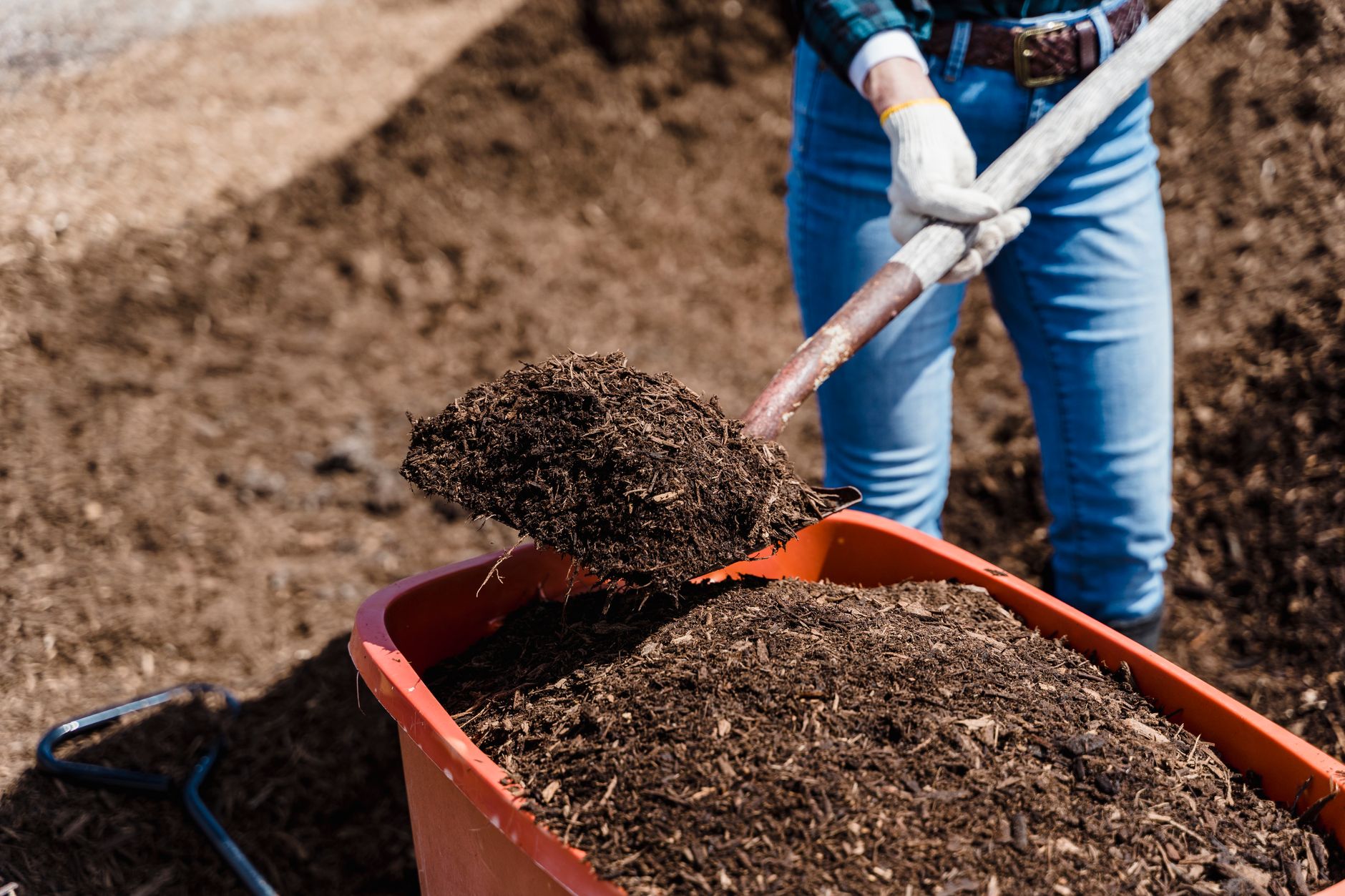
The clearest result came in mulching. Labor fell from 4 to 5 people to 1 operator, while compost could be applied across every bed in every planted block rather than being reserved for limited areas.
Seeding also shifted from a three-person crew to 1 operator. Weeding required a smaller crew and covered more ground per day, although the published account does not quantify either change. Harvest aid efficiency improved by 40% through the platform's hauling capability.
Battery endurance held up through a full composting day. The platform completed 20 beds measuring 150 feet each on a single charge. Its compost spreader averaged 0.44 meters per second, or 0.98 miles per hour, with load capacity approaching 750 pounds.
What This Example Means for a Commercial Deployment
This is an independently documented field example, not a deployment performed by Service Robot Co. Its value is the operating pattern it reveals: a carefully selected modular machine can address several recurring jobs, but only when geometry, attachments, operator controls and service expectations are evaluated together.
Service Robot Co. applies that discipline for U.S. businesses as a full-service, OEM-neutral and vendor neutral robot integrator. The company compares equipment across manufacturers, structures purchase or lease and monthly payment programs, then handles robot deployment and integration, training and lifecycle support through a nationwide U.S. engineer network.
That single accountable relationship also gives operators a defined path for remote triage and on-site dispatch after go-live. For farms considering a robot pilot program, the practical objective is not merely acquiring a machine. It is proving that the machine, attachment, workflow and support model perform as an operating system in the field.
Frequently asked questions
Want a robot working for you?
Tell us the job and the site. We will recommend the robot, quote the lease, and keep it serviced.