a large automotive vehicle storage yard in the United States
How a Vehicle Storage Yard Saved $150,000 a Year With Autonomous Patrols
Three autonomous patrol units helped a U.S. vehicle storage yard stop repeat trespassing, shrink guard loop gaps, and save about $150,000 per year.
- $150K/yr
- annual spend cut
- 3 units
- perimeter patrol
- ~0
- incidents year one
- 30 min
- old guard loop
Based on a documented real-world deployment. Figures are from public reporting; the organization is not named.
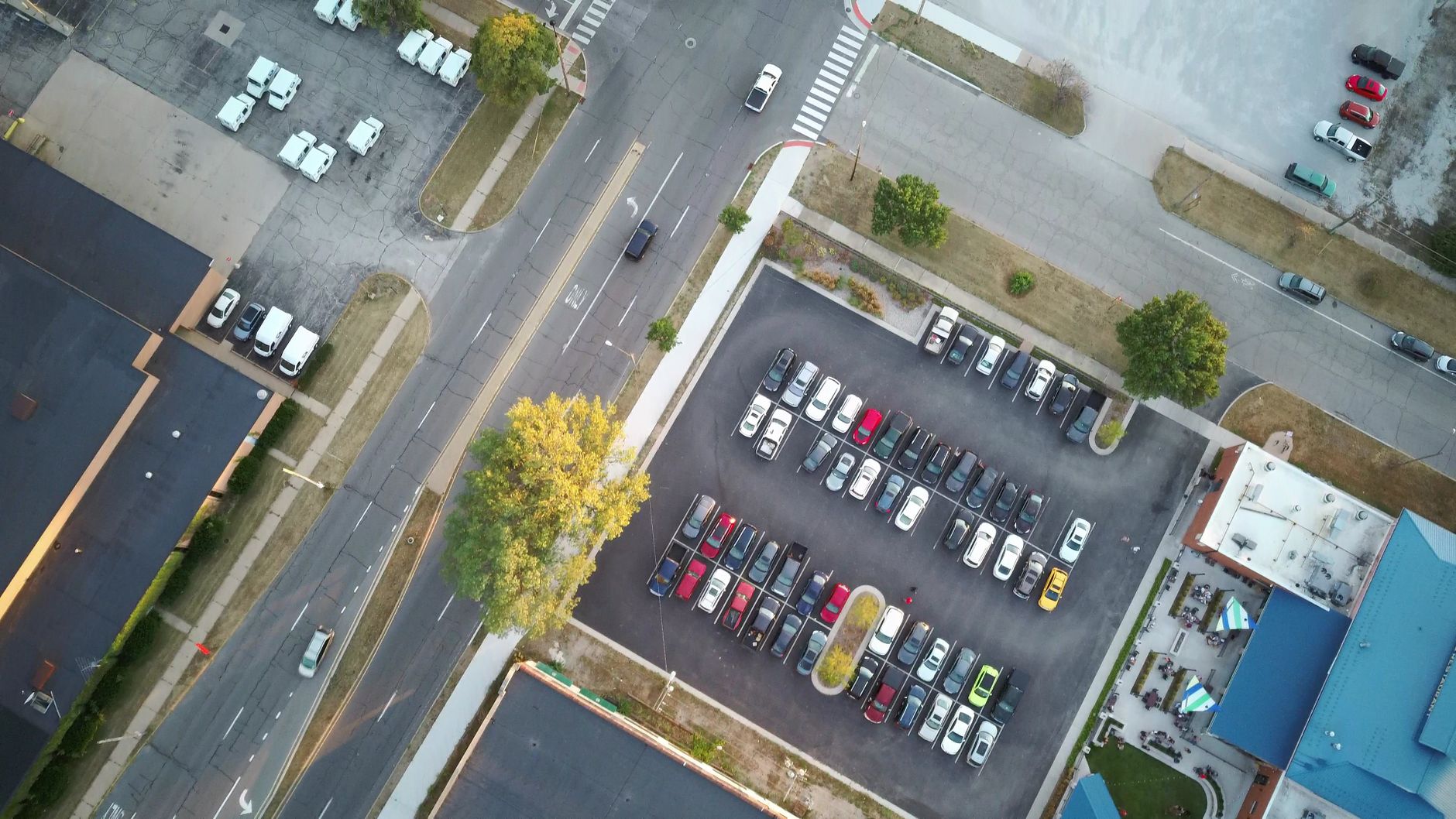
A high-value lot with predictable human patrols
A large automotive vehicle storage yard in the United States held finished vehicles behind fencing near a busy manufacturing campus. Repeat vandalism, trespassing, and theft kept escalating even with two officers on site.
Intruders learned the rhythm of foot patrols. Some distracted guards in one corridor while others tested the fence elsewhere. Fixed cameras documented crimes after the fact but rarely stopped them in the moment.
Homeless encampments inside the rows added fire risk, water theft, and property loss. Leadership needed visible deterrence without paying for an endless loop of guard hours that still left gaps.
- Fence breaches timed to officer routes
- After-the-fact video instead of live deterrence
- Client pressure to stop losses without adding headcount
Three fixed patrol posts with live escalation
Security leadership paired a site assessment with three autonomous patrol units mounted on existing light poles. Each unit carried high resolution cameras, attention lights, scrolling message displays, and two way audio, powered locally and linked through enhanced cellular service so the yard did not depend on client IT.
Perimeter software watched the fence line continuously. A breach triggered an immediate autonomous sequence: lights, siren, and spoken warnings that the property was under observation. Monitoring staff received alerts with live video on phones or laptops.
If warnings failed, remote officers could open a live conversation through the unit and direct law enforcement while staying off the lot. The layout aimed for panoramic coverage with no blind spots along the fence.
- Site survey and pole placement for full perimeter view
- Cellular video and audio independent of corporate networks
- Playbooks tying autonomous deterrence to human escalation
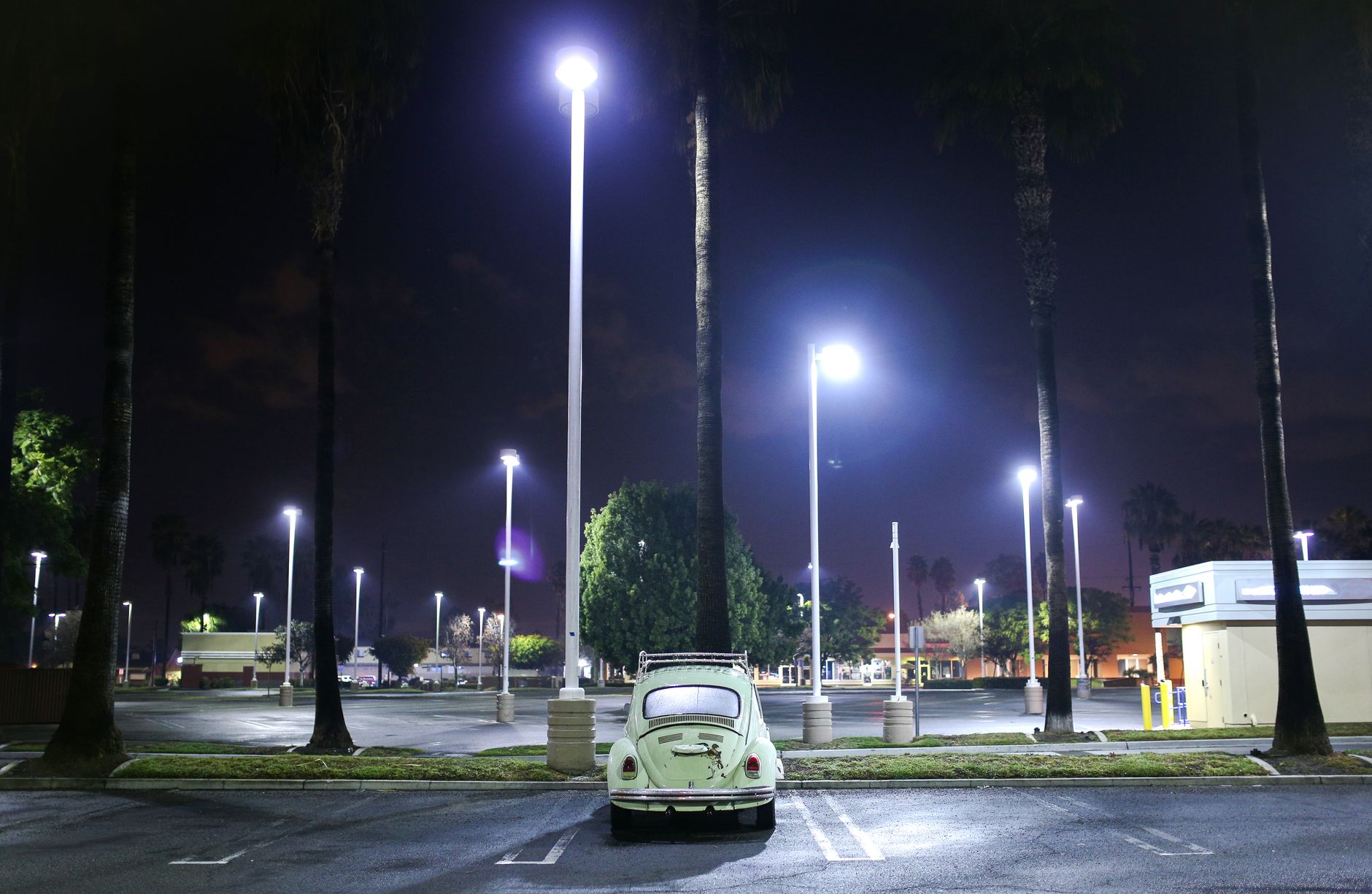
Near-zero incidents and a six-figure labor swap

Effects showed up quickly. Human patrols needed up to thirty minutes to complete a full loop, which gave intruders predictable windows. The autonomous units stayed on watch between those loops and responded the moment a line was crossed.
In the first year after installation, leadership reported virtually zero criminal incidents at the lot. Documented autonomous and officer led responses reportedly resolved the vast majority of events before loss occurred.
The deployment replaced a dedicated patrolling officer role while keeping monitoring coverage, saving the operation about one hundred fifty thousand dollars per year. Spend fell without sacrificing the contract’s service level because technology carried repeatable rounds.
What this pattern means for fleet and storage operators
Outdoor vehicle storage is an ideal use case for autonomous security robot rental when fence lines are long, inventory is portable, and every idle hour invites trespass. The lesson is not to remove humans entirely but to stop paying for walking loops that intruders can schedule around.
Service Robot Co. helps U.S. businesses compare patrol robot categories across manufacturers, then finance, deploy, integrate, train, and service units through a nationwide engineer network. One partner handles site mapping, cellular readiness, escalation workflows, and ongoing maintenance so security directors can pilot month to month before committing capital.