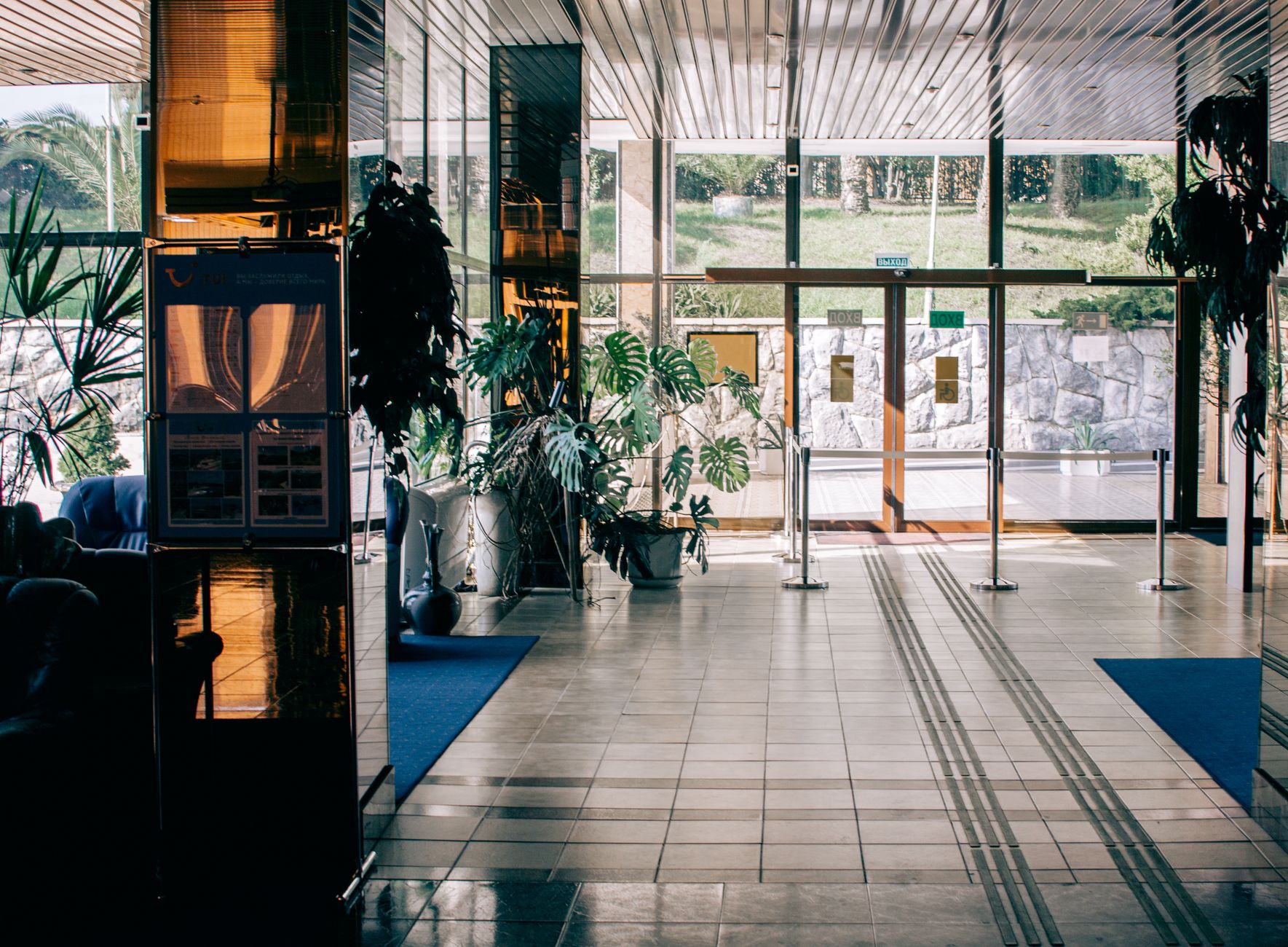
a mid-Atlantic veterans affairs medical center with multi-building inpatient campuses
How a Veterans Medical Center Scrubbed Floors Four Times Faster With AMRs
A mid-Atlantic veterans medical center compared manual scrubbing to autonomous floor scrubbers and freed environmental services for high-touch disinfection.
- 4x
- Scrub throughput
- 10,000+
- Sq ft per hour
- 2,500
- Manual sq ft/hr
- 70%
- Less water use
Based on a documented real-world deployment. Figures are from public reporting; the organization is not named.
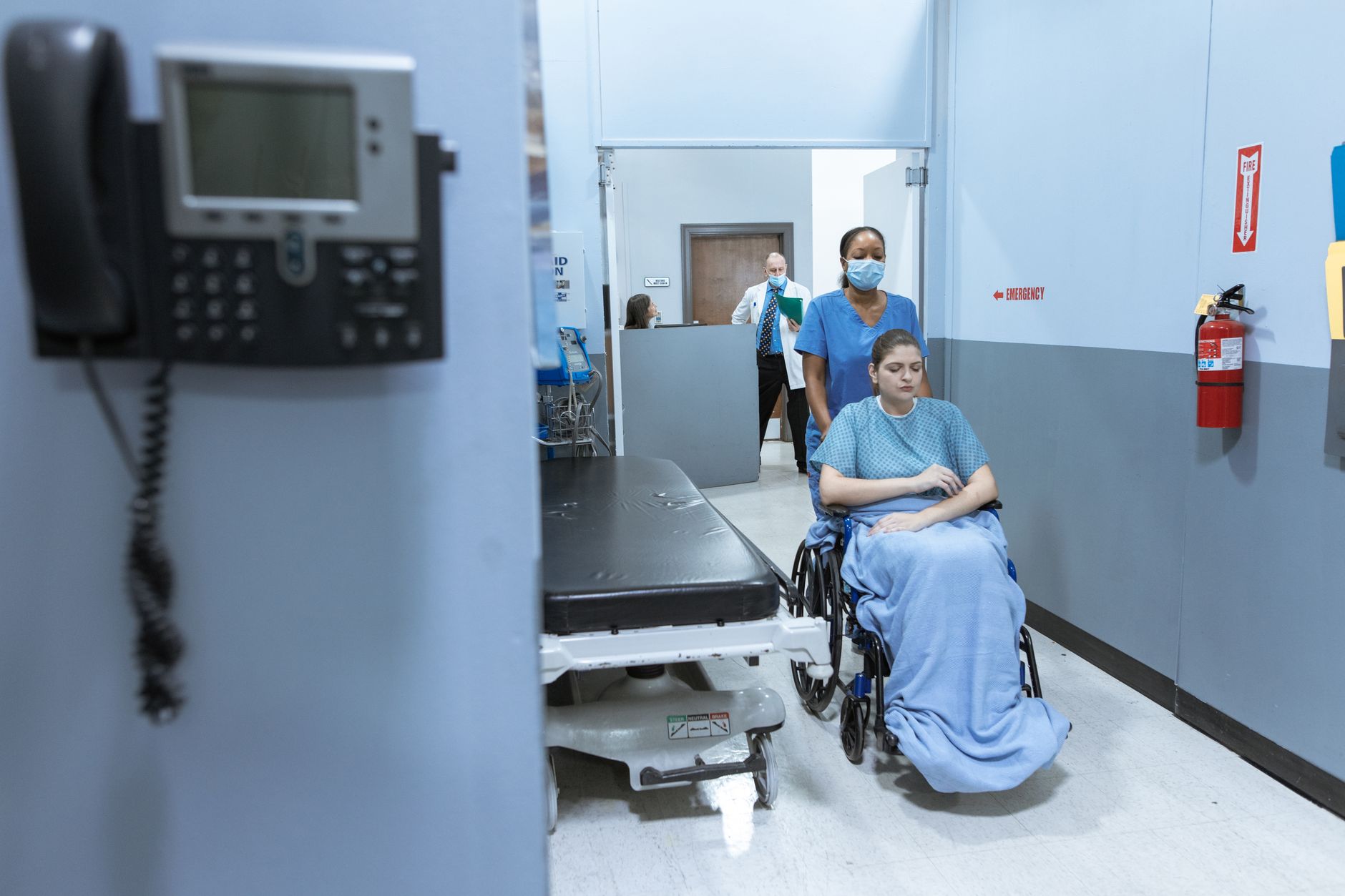
Corridor cycles that never end
Environmental services teams at a mid-Atlantic veterans affairs medical center with multi-building inpatient campuses face a floor-care workload that scales with patient volume, not headcount. Manual scrubbing on a typical shift covered about 2,000 to 2,500 square feet per hour, and that rate could fall further when infection-control scope widened.
Leadership needed overnight capacity without pulling staff away from room turnover, high-touch disinfection, and other tasks that directly affect veteran care. Repetitive corridor scrubbing consumed hours that could not be redeployed during chronic staffing pressure.
- Manual scrubbing topped out near 2,500 square feet per hour under normal scope
- High sanitation demand could push manual productivity below 2,000 square feet per hour
- Floor care competed with room cleaning and disinfection priorities
Autonomous scrubbers on mapped routes
The medical center introduced autonomous floor scrubbing machines that operators could run on programmed routes or drive manually when needed. Each unit carried large solution and recovery tanks and could cover about 33,000 square feet on a single four-hour battery charge.
Supervisors mapped buildings, trained housekeeping leads to set routes, and paired the machines with existing shift schedules so corridors could be cleaned while staff focused on patient-facing work. An eco mode reduced water use compared with traditional scrubbing, which helped floors dry faster for early-morning foot traffic.
- Deploy autonomous scrubbers with teach-and-repeat route mapping
- Train shift leads to launch routes and monitor recovery tanks
- Run machines on overnight cycles where corridors are clear
- Keep manual mode available for tight or one-off areas
Measured productivity on the same task
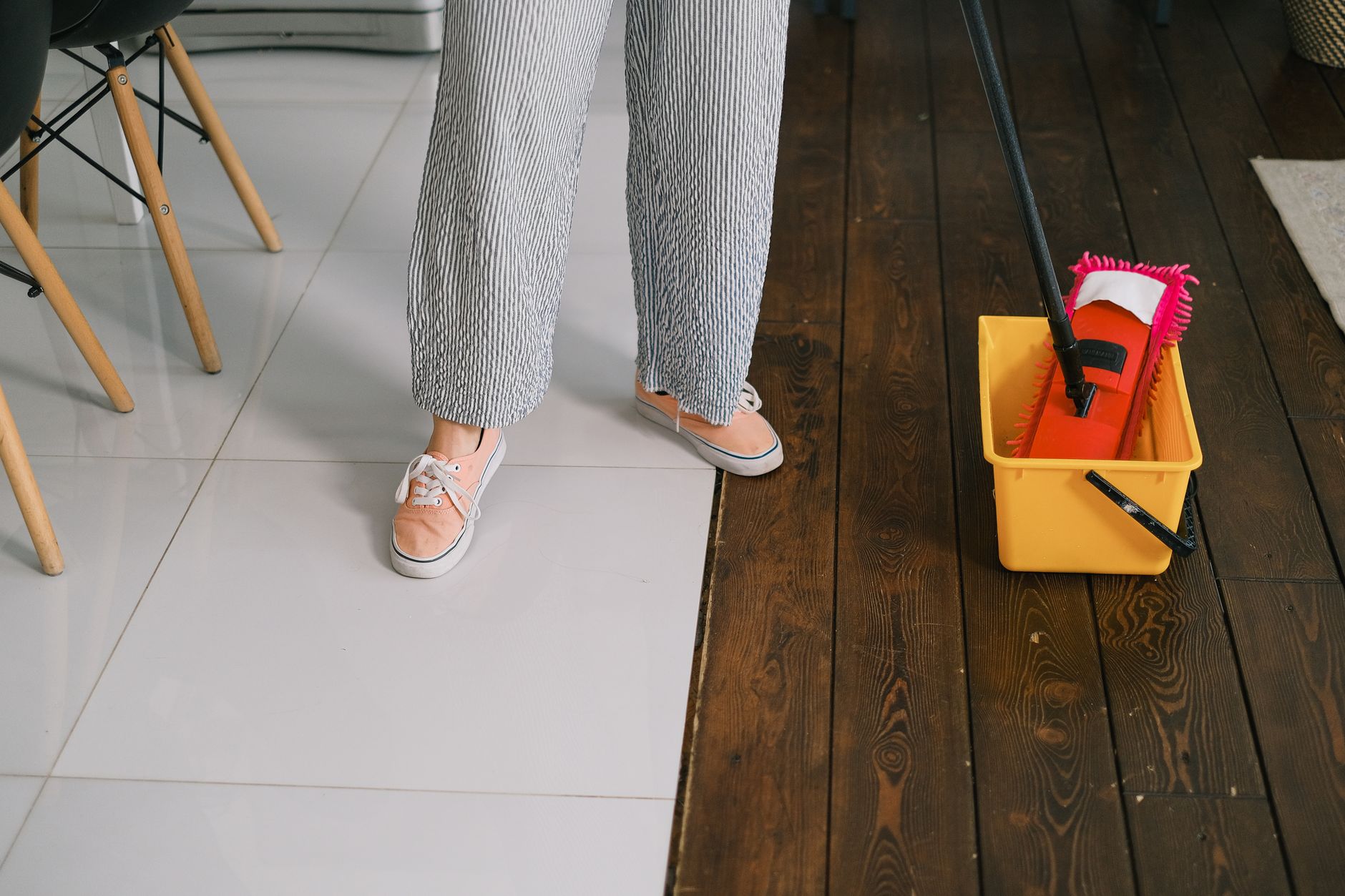
Housekeeping leadership compared the same floor-scrubbing assignment side by side. Autonomous machines cleaned more than 10,000 square feet per hour, while a single employee on manual scrubbing reached up to 2,500 square feet per hour, and sometimes less when sanitation scope expanded.
That gap translated to about four times the productivity on the dedicated scrubbing task. Environmental services could redirect labor toward high-value cleaning that supports patient throughput instead of pushing heavy scrubbers down endless hallways.
What similar hospitals can expect from an integrator
This deployment was documented at a federal veterans facility, not a Service Robot Co. customer. It still shows how a vendor-neutral integrator can help comparable hospitals match autonomous scrubber rental or lease programs to real square footage, battery runtime, and infection-control schedules.
Service Robot Co. selects autonomous floor scrubbers across manufacturers, finances them through monthly programs, maps routes with your environmental services leads, and backs the fleet with a nationwide network of regional service engineers. A free site assessment is the practical first step when corridor scrubbing is crowding out room care.