
a warehouse operator running a 60-unit AMR fleet
A Warehouse Operator's 60-Unit AMR Fleet Lifts Uptime From 81% to 99.6%
How a warehouse operator's 60-unit AMR fleet raised uptime from 81% to 99.6% and cut stoppages from 312 to 14 a year, and what keeps fleets running.
Deployment at a glance
- 60
- Autonomous mobile robots kept in one fleet
- 81% to 99.6%
- Fleet uptime, before and after the reliability program
- 312 to 14
- Yearly AMR stoppages after the reliability program
Based on a documented real-world deployment. Figures are from public reporting; the organization is not named.
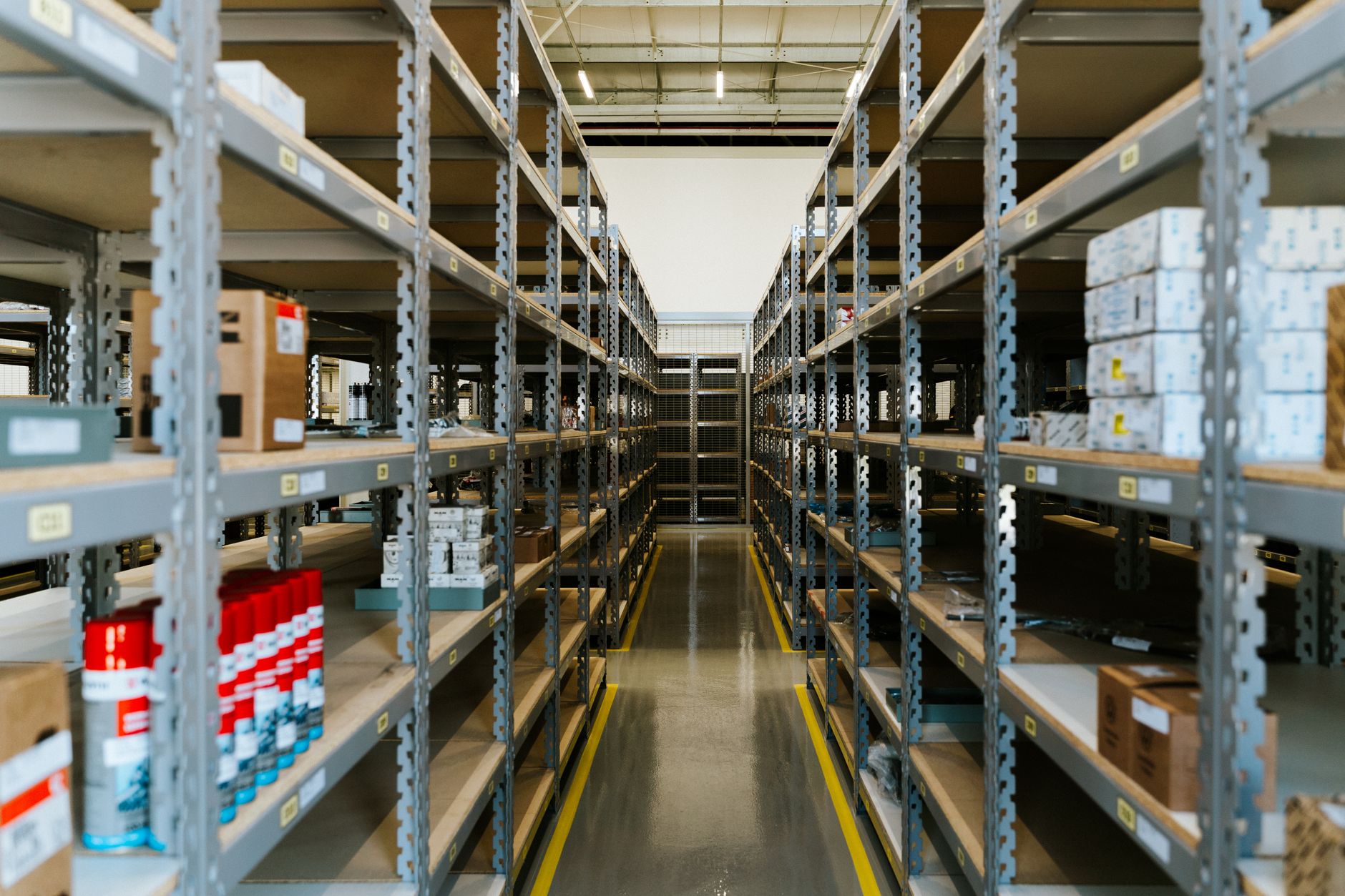
Keeping sixty robots moving at once
A warehouse running sixty autonomous mobile robots does not experience reliability as one number. It experiences a stream of small interruptions: a unit that stalls on a route, a fault that appears between shifts, a robot that needs attention before it fails outright. Each stoppage pulls work off the aisles and sends someone looking for the cause.
This operator's fleet was losing time in exactly that way. Uptime sat at 81 percent, which left close to a fifth of operating time unavailable, and AMR stoppages reached 312 events a year. At that rate, the throughput plan depended on whichever robots happened to be running on a given day.
Stoppages cost more than their own minutes. A halted robot can block the path behind it, and a smaller working fleet compresses the order flow onto fewer machines. The burden falls on pick rates and on the supervisors who spend their shifts chasing alarms.
Watching unit health before failures happen
The reliability program started with visibility. The operator used predictive tracking, so the condition of each unit was watched over time instead of being inspected only after it stopped. Early warning signs gave the team a chance to schedule work for a quieter window rather than respond in the middle of a busy shift.
A program like this is mostly disciplined routine. It needs a short list of faults that matter, a clear rule for when a unit comes off the floor, and a service path that returns the robot to the fleet without a long wait. The results reported here reflect that routine running across all sixty units, day after day.
Training is part of the same picture. Operators and technicians have to recognize the signs the tracking surfaces, know who acts on them, and hand a unit back to the fleet cleanly once it is fixed.
Uptime and stoppages, as reported
Fleet uptime rose from 81 percent to 99.6 percent, a gain of 18.6 percentage points. The fleet moved from a state where stoppages were a routine feature of the shift to one where they became rare events.
AMR stoppages fell from 312 events a year to 14, a reduction of roughly 95 percent. Fewer stoppages mean fewer blocked aisles, fewer manual recoveries and fewer interruptions to the order flow the fleet was designed to carry.
Reliability is the measure these figures speak to, so this study keeps to it. Labor, order volume and cost are outside what is displayed here, and readers planning a fleet should weigh them separately.
What fleet reliability asks of the partner behind it
A figure like 99.6 percent says as much about the program around the robots as about the robots themselves. Service Robot Co. is a full-service, OEM-neutral commercial robot integrator for US businesses. We select the right units across manufacturers, then finance, deploy, integrate, train and service every unit through a nationwide US engineer network, so one partner answers for the whole lifecycle.
Operators weighing AMR leasing can start with a site assessment, which shapes the robot choice, the service plan and the go live support that follows. Robots are leased on a 3-year lease, with one fixed robot lease payment quoted after that assessment. Our engineers handle deployment and integration, then provide on-site service when a unit needs hands, keeping fleet management with one team.
Frequently asked questions
Want a robot working for you?
Tell us the job and the site. We will recommend the robot, quote the lease, and keep it serviced.