
a warehouse operator's humanoid quality-inspection pilot
A Warehouse Humanoid Inspects Quality and Reports 96% Faster Root Cause Analysis
A warehouse operator's humanoid quality inspection pilot reported 97.3% inline defect detection and 96% faster root cause analysis in eight weeks.
Deployment at a glance
- 97.3%
- Inline defect detection accuracy reported for the pilot
- 96%
- Faster root cause analysis reported for the pilot
- 8 weeks
- Reported deployment window for the inspection humanoid
- 78%
- Manual inspection accuracy used as the comparison point
Based on a documented real-world deployment. Figures are from public reporting; the organization is not named.
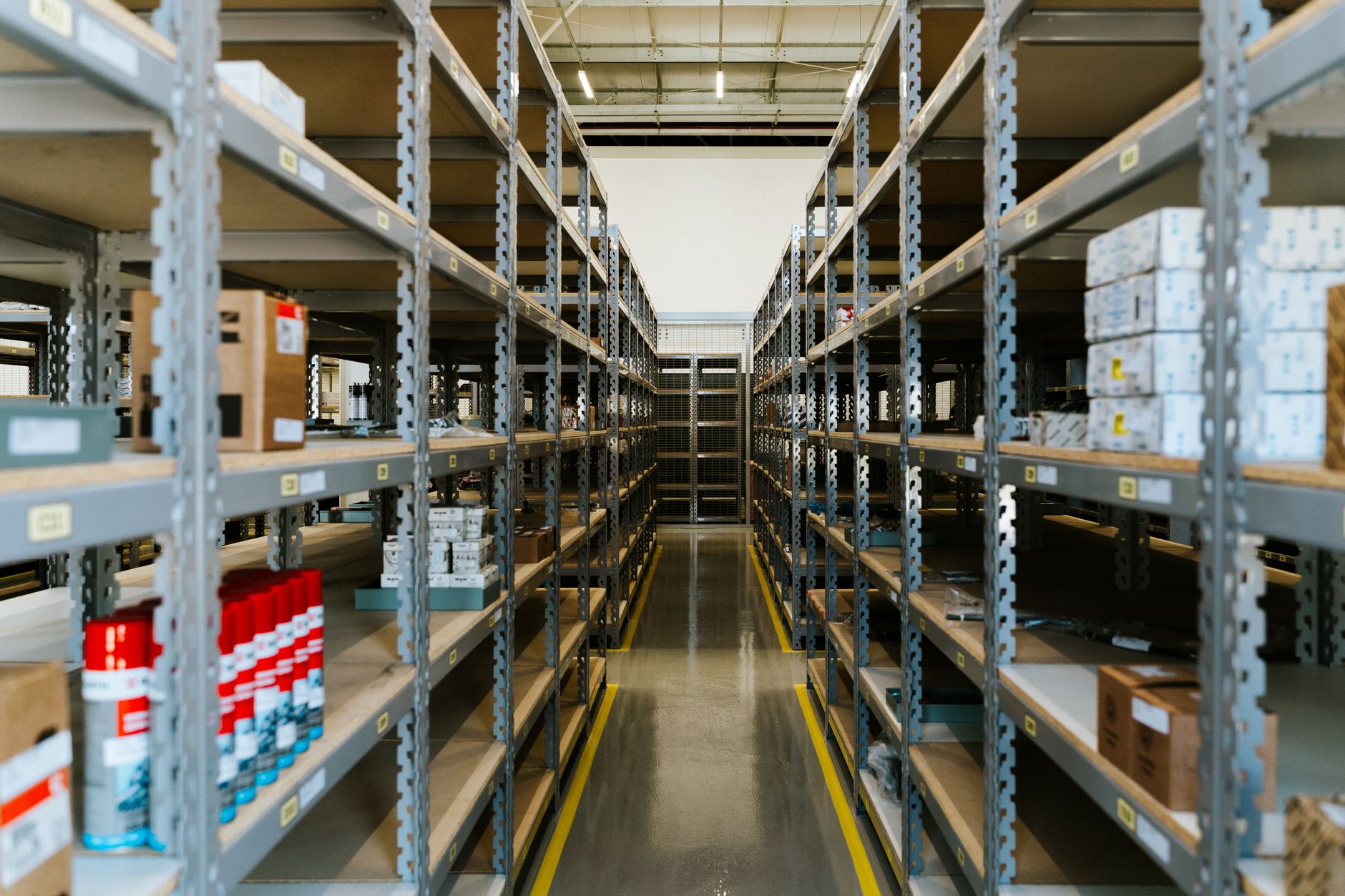
A slow trace back to the defect
Every defect found after the fact sends someone back through the record. Root cause analysis is the slow link in that chain, and it is where most of the lost time sits. The pilot's comparison point was manual inspection, which reported 78% accuracy, leaving room for missed defects to travel further down the line.
Quality teams in warehousing feel that lag directly. A defect caught late is harder and more expensive to trace than one caught the moment it appears.
A humanoid moved into inspection work
The pilot put a humanoid to work on quality inspection instead of material handling, a role that gives this case a different shape from the usual warehouse robot story. The humanoid ran inline inspection using embodied AI, and its detections were tied to a CMMS and MES platform so findings reached the maintenance and production records teams already used.
The reported deployment ran eight weeks. A window that short depends on a clear map of the inspection points and on the systems the findings must reach, which is the groundwork an integrator covers before any robot arrives.
- Map the inspection points and record the manual accuracy baseline
- Deploy the humanoid for inline inspection within an eight week window
- Route detections into CMMS and MES records so root cause work starts from data
- Trace each flagged defect and feed the findings back into the process
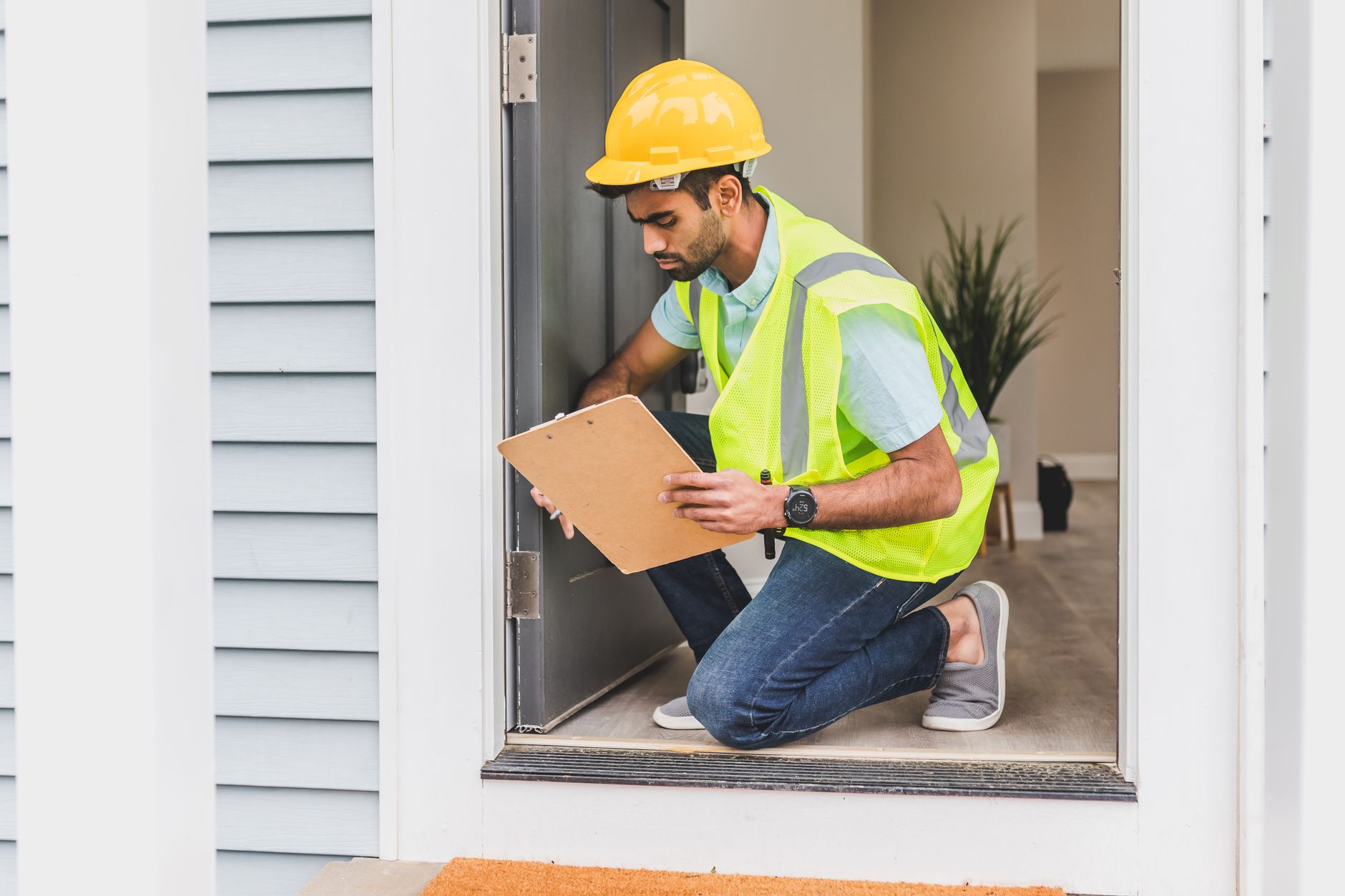
Measured gains from the pilot
Inline defect detection reached 97.3% accuracy, compared with a 78% manual accuracy baseline. That gap matters most on defects that slip past a tired eye, and it gives the quality team a steadier first read on every unit the humanoid inspects.
Root cause analysis ran 96% faster. Shortening the time between a defect and its explanation was where the pilot's value sat, since every hour saved there moves the fix closer to the event.
The 97.3% figure sits inside a published industry range for AI vision inspection of 97% to 99.5%. Results on another floor will depend on product mix, lighting and the defect types that matter most there.
What this means for a warehouse buyer
Service Robot Co. is an OEM neutral commercial robot integrator for US businesses. We select the right robots across manufacturers, finance them through robot leasing, then deploy, integrate, train and service every unit through a nationwide US engineer network. The pilot shows why the integration step counts as much as the robot, since inspection findings only speed root cause work once they reach the right records.
Our robots are offered on a three year lease, with one fixed robot lease payment quoted after a site assessment. A warehouse weighing a similar inspection robot can start with one leased unit, review the results, and expand only if the numbers hold. That path suits a warehouse automation integrator clients want as one partner and one number for the whole lifecycle.
Frequently asked questions
Want a robot working for you?
Tell us the job and the site. We will recommend the robot, quote the lease, and keep it serviced.